






What's Happening?
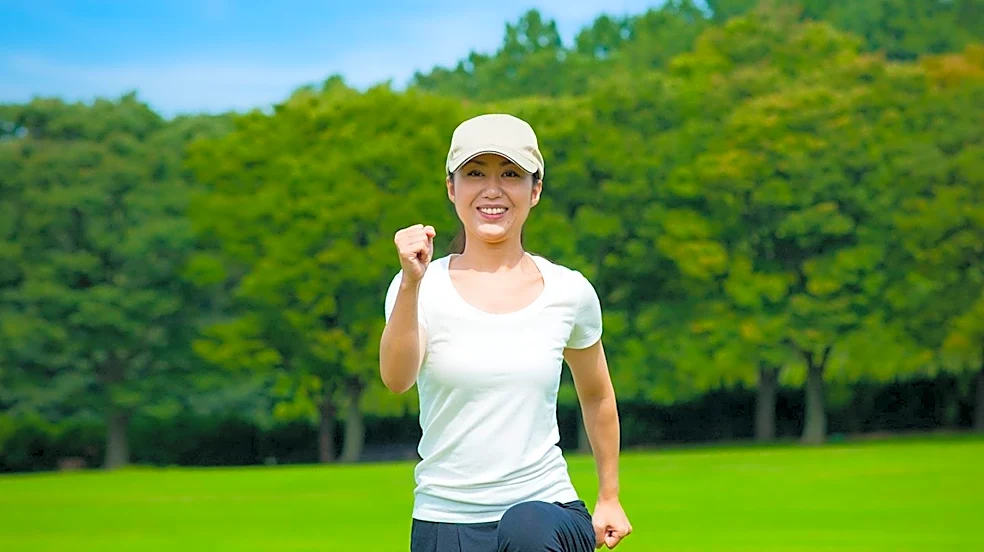
The Japanese 3-3-3 walking method, also known as interval walking training, involves alternating between brisk and slower walking paces to enhance fitness and cardiovascular health. This approach does not rely on a single, universal heart rate target
for all participants. Instead, the intensity is individualized, allowing heart rate to serve as one indicator of effort rather than a strict rule for the workout. Research supporting this method has shown promising results in improving physical fitness and blood pressure. However, it is not presented as a guaranteed solution for significant weight loss. The core principle is to create meaningful changes in effort through varied pacing, making the exercise more challenging and effective.
Why It's Important?
This individualized approach to exercise, as seen in the Japanese walking method, highlights a shift towards more personalized health and fitness strategies. For individuals in the U.S. seeking accessible and effective ways to improve their health, this method offers a practical alternative to high-intensity workouts or rigid heart rate zone training. The emphasis on 'meaningful change in effort' rather than a specific heart rate could make fitness more approachable for a wider demographic, including those new to exercise or with varying fitness levels. This could lead to increased participation in physical activity, potentially reducing the burden of lifestyle-related diseases and promoting overall public health. The method's focus on cardiovascular benefits and blood pressure improvement addresses critical health concerns prevalent in the U.S. population.
What's Next?
Further research into the long-term efficacy and broader applicability of the Japanese 3-3-3 walking method could lead to its wider adoption in U.S. health and wellness programs. Fitness professionals and healthcare providers might integrate this individualized interval training into their recommendations, potentially developing tailored programs for different age groups and health conditions. Educational campaigns could also be launched to inform the public about the benefits of varied-pace walking and how to implement it effectively without needing specialized equipment. The success of this method could also inspire the development of similar personalized exercise routines that prioritize effort and individual response over generalized metrics, fostering a more sustainable approach to physical activity.
Beyond the Headlines
The Japanese walking method reflects a broader cultural emphasis on integrating physical activity into daily life, often through practical and sustainable means. Unlike some Western fitness trends that might focus on extreme workouts or complex equipment, this method underscores the value of consistent, moderate activity. This cultural perspective could influence U.S. attitudes towards exercise, encouraging a more holistic view of health that incorporates movement naturally into routines, such as walking for transportation. It also subtly challenges the notion that effective exercise must always be strenuous or target specific heart rate zones, promoting a more intuitive understanding of physical effort and its benefits. This could lead to a re-evaluation of public health strategies, moving towards promoting accessible, everyday physical activity.