




What's Happening?
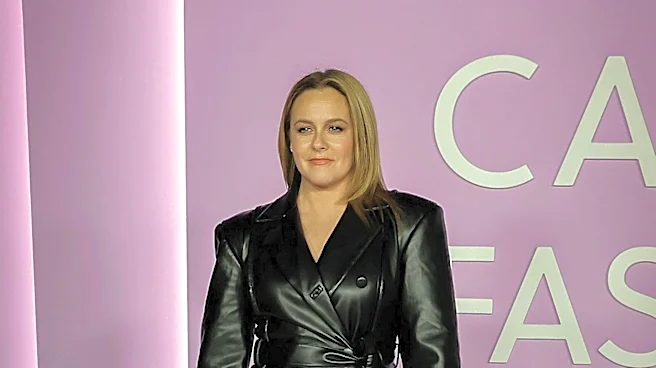
Actress and producer Alicia Silverstone collaborated with a local animal rescue charity in Ireland during the 2024 filming of her TV series, 'Irish Blood.' This partnership aimed to guarantee the proper care and well-being of horses utilized on the set.
Silverstone, known for her strong advocacy for animal welfare and environmental causes, has a history of promoting the safety of animals in the entertainment industry. This initiative aligns with her established track record, as highlighted by Lincoln Park Zoo, which also advocates for animal welfare in Hollywood, particularly for primates rescued from the film industry. The zoo supports the Captive Primate Safety Act, which seeks to prohibit private primate ownership. Silverstone's involvement in ensuring ethical treatment for animals on set reflects a broader commitment to responsible practices within film production.
Why It's Important?
This collaboration underscores the growing importance of animal welfare in the entertainment industry, particularly concerning the use of animals in film and television productions. Silverstone's proactive engagement with a local rescue charity sets a precedent for ethical filmmaking practices, potentially influencing other productions to adopt similar measures. This move can enhance public perception of the industry by demonstrating a commitment to animal well-being, which is increasingly a concern for audiences and advocacy groups. For animal welfare organizations, such partnerships provide crucial support and visibility, helping to raise awareness about the needs of animals used in various capacities. It also highlights the potential for celebrities to leverage their platforms to drive positive change in industry standards, promoting more humane treatment of animals on set.
What's Next?
The partnership between Alicia Silverstone and the Irish animal rescue charity during the filming of 'Irish Blood' could inspire other productions to implement similar animal welfare protocols. This might lead to increased scrutiny from animal rights organizations regarding how animals are treated on film sets, potentially prompting industry-wide discussions about best practices and the adoption of more stringent guidelines. Stakeholders, including production companies, animal trainers, and actors, may face pressure to demonstrate their commitment to animal welfare, possibly through certifications or partnerships with reputable animal protection groups. This development could also encourage legislative efforts, such as the Captive Primate Safety Act supported by Lincoln Park Zoo, to expand protections for animals involved in entertainment, ensuring their safety and ethical treatment beyond individual production initiatives.
Beyond the Headlines
This event reflects a broader societal shift towards greater ethical consideration for animals, extending into the realm of entertainment. The proactive measures taken by Silverstone highlight a growing awareness that the portrayal of animals on screen must be matched by their humane treatment behind the scenes. This raises deeper questions about the responsibility of filmmakers and actors to ensure that their artistic endeavors do not compromise animal welfare. It also touches upon the ethical implications of using animals in any form of entertainment, prompting a re-evaluation of traditional practices and encouraging the exploration of alternatives, such as CGI, where appropriate. The collaboration serves as a reminder that ethical production practices are becoming an integral part of a project's overall integrity and public image, moving beyond mere compliance to active advocacy for animal rights.