






What's Happening?
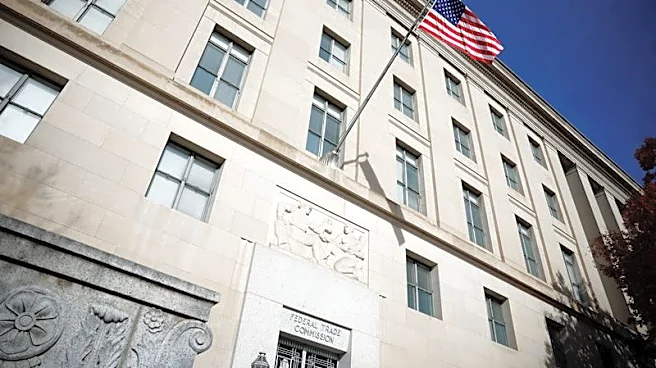
The Federal Trade Commission (FTC) and the U.S. Department of Agriculture (USDA) have initiated a joint public inquiry into practices within the agricultural equipment manufacturing and distribution markets. This inquiry aims to investigate potential
anticompetitive conduct and address growing concerns from farmers regarding barriers to acquiring equipment and necessary repair services. The initiative is part of the FTC's ongoing efforts to maintain competition in the agricultural sector, building on previous actions such as settlements with Corteva Inc. concerning pesticide markets and Deere & Company regarding repair restrictions. The joint request for information seeks input from the public, including farmers, independent repair providers, and current or former employees of agricultural equipment manufacturers and dealers. They are encouraged to submit comments on business models, policies, agreements, contractual terms, documented cases of restrictions or retaliation, and the broader competitive implications on pricing, market entry, innovation, farmer welfare, and rural economic resilience. Comments can be submitted via Regulations.gov until December 7, 2026, at 11:59 p.m. This information will be used by both agencies to inform future enforcement and regulatory priorities.
Why It's Important?
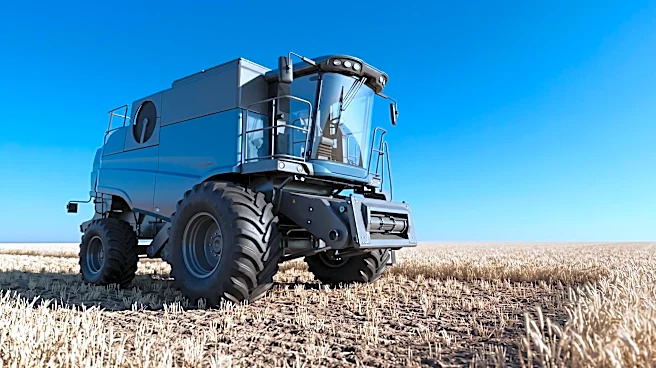
This joint inquiry is crucial for ensuring a fair and competitive marketplace for agricultural equipment, directly impacting American farmers and the nation's food supply. Farmers have increasingly reported difficulties in obtaining and repairing essential machinery, which can lead to higher operational costs, reduced productivity, and potential delays in food production. By addressing potential anticompetitive practices, the FTC and USDA aim to lower barriers to entry for independent repair providers and foster innovation, ultimately benefiting farmers through more affordable equipment and service options. This initiative underscores the government's commitment to protecting consumers and promoting competition in vital sectors. The findings from this inquiry could lead to new regulations or enforcement actions that reshape the agricultural equipment industry, potentially breaking up monopolies or oligopolies that currently limit farmer choices and drive up prices. A more competitive market could also stimulate technological advancements and improve the overall resilience of the agricultural economy, ensuring that farmers can continue to efficiently produce food for Americans.
What's Next?
Following the December 7, 2026 deadline for public comments, the FTC and USDA will analyze the submitted information to identify specific areas of concern and potential anticompetitive behaviors. This analysis will inform their enforcement and regulatory priorities for the coming years. It is anticipated that the agencies may issue a report summarizing their findings, which could lead to new policy recommendations, legislative proposals, or targeted enforcement actions against companies found to be engaging in anticompetitive practices. Stakeholders, including agricultural equipment manufacturers, dealers, and farmer advocacy groups, will likely closely monitor these developments. The outcome could result in significant changes to how agricultural equipment is sold, serviced, and repaired, potentially mandating greater access to repair tools and information for farmers and independent mechanics. This could also influence future merger reviews in the agricultural sector, with a heightened focus on competitive impacts.
Beyond the Headlines
The joint inquiry by the FTC and USDA delves into deeper issues beyond mere market competition, touching upon the fundamental 'right to repair' movement that has gained traction across various industries. For farmers, the ability to repair their own equipment or choose independent repair services is not just a matter of convenience or cost, but a critical component of their operational autonomy and economic viability. Modern agricultural machinery often incorporates proprietary software and complex digital systems, making repairs difficult without manufacturer-specific tools and diagnostics. This inquiry highlights the tension between manufacturers' intellectual property rights and consumers' right to maintain their purchased goods. The findings could set precedents for other sectors facing similar 'right to repair' challenges, potentially influencing broader policy discussions on consumer ownership and control over technology. Furthermore, the focus on rural economic resilience underscores the interconnectedness of agricultural practices with the broader national economy and food security.