








What's Happening?
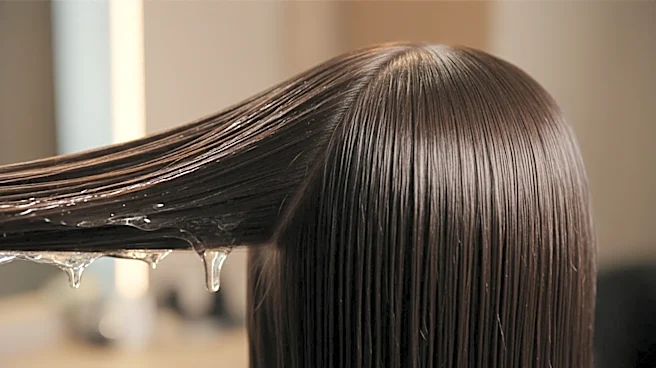
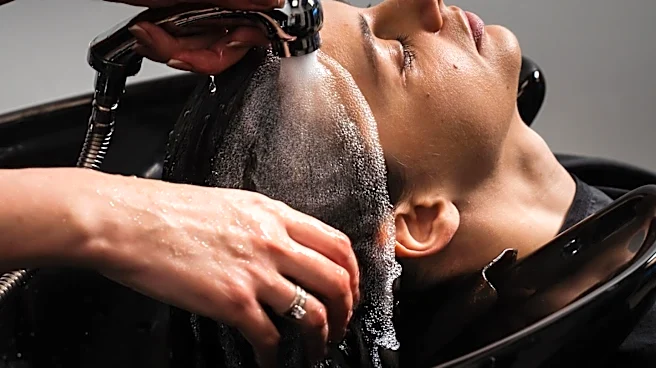
Reverse hair washing, a method where conditioner is applied before shampooing, is gaining attention for its potential to enhance hair volume and hydration. According to board-certified dermatologist Sandra Oska, MD, this technique helps maintain hair hydration and smoothness
while preserving volume at the roots. The process involves applying conditioner first to create a protective lipid barrier on the hair, which shields the hair shaft from the stripping action of shampoo surfactants. This method is particularly beneficial for individuals with fine or easily weighed-down hair, as it provides necessary conditioning without compromising body. However, those with coarse or highly textured hair may not experience the same benefits and might prefer the traditional shampoo-then-conditioner routine.
Why It's Important?
The reverse hair washing method offers a tailored approach to hair care, emphasizing the importance of understanding individual hair needs. By preventing the buildup that can occur with traditional conditioning, this technique could revolutionize hair care routines for those with specific hair types. It highlights a shift towards more personalized beauty regimens, encouraging consumers to consider their hair's porosity, density, and texture. This trend could influence the hair care industry, prompting brands to develop products and marketing strategies that cater to diverse hair types and preferences. The method's growing popularity underscores a broader movement towards customized beauty solutions, potentially impacting consumer behavior and product development.
What's Next?
As reverse hair washing gains traction, it is likely that more consumers will experiment with this method to determine its suitability for their hair type. Hair care brands may respond by creating products specifically designed for reverse washing, such as lightweight conditioners and shampoos that complement this technique. Additionally, beauty influencers and professionals might increasingly advocate for personalized hair care routines, further promoting the method. The trend could also lead to increased research and innovation in hair care formulations, as companies seek to meet the evolving demands of consumers seeking tailored solutions.