

What's Happening?
Pete Townshend, a prominent figure in the rock band The Who, has expressed enthusiasm for the concept of a virtual incarnation of the band. He views the prospect of The Who performing as avatars as an exciting possibility for future performances. However,
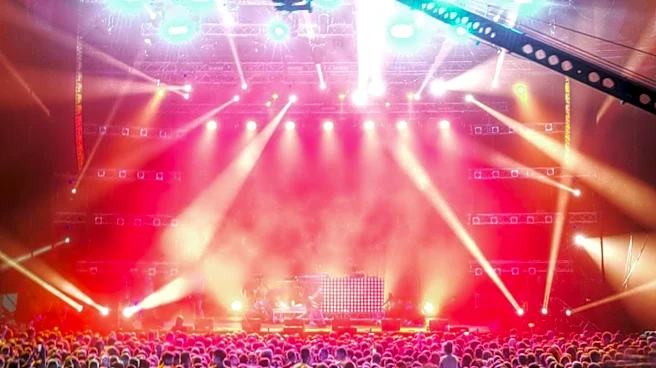
Townshend also indicated that he believes Roger Daltrey, the band's lead singer, might be the primary impediment to such a project moving forward. This suggests a potential divergence in vision between the two long-standing members regarding the band's future presentation and technological adoption. The idea of virtual concerts has gained traction in the entertainment industry, offering new ways for artists to connect with audiences, especially as band members age or face other limitations.
Why It's Important?
This development is significant for the music industry and fans of The Who, as it highlights the ongoing evolution of live entertainment through technology. If a virtual Who concert were to materialize, it could set a precedent for other legacy acts to explore similar avenues, potentially extending the performing careers of iconic bands beyond traditional physical tours. For The Who, it represents a potential new chapter in their storied history, allowing their music to be experienced by new generations in an innovative format. The perceived hesitation from Roger Daltrey, as noted by Townshend, underscores the challenges in adopting new technologies within established groups, particularly when it involves fundamental changes to their performance identity. This internal dynamic could influence the pace and direction of such technological shifts in the broader music landscape.
What's Next?
The immediate next steps would likely involve further discussions between Pete Townshend and Roger Daltrey regarding the feasibility and desirability of a virtual Who show. Should Daltrey's reservations be addressed or overcome, the band would then need to explore the technological and logistical requirements for creating high-quality avatar performances. This could involve partnerships with technology companies specializing in virtual reality or holographic presentations. The success or failure of such a venture could influence other classic rock bands considering similar projects. Fan reception would also be a critical factor, as the authenticity of a virtual performance compared to a live one remains a subject of debate among music enthusiasts.
Beyond the Headlines
The discussion around a virtual Who concert touches upon deeper themes concerning artistic legacy, technological innovation, and the nature of live performance. It raises questions about what constitutes a 'live' experience in an increasingly digital world and how artists can maintain their relevance and connection with audiences over decades. Ethically, it prompts consideration of how virtual representations honor the original artists and their performances. Culturally, it reflects a broader societal trend towards digital immersion and the blurring lines between physical and virtual realities. The potential for virtual concerts to extend the life of musical acts could redefine how we perceive and consume music, offering both opportunities for renewed engagement and challenges regarding authenticity and artistic intent.