






What's Happening?
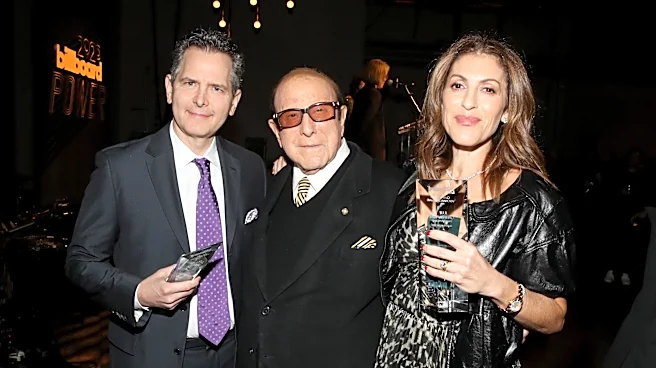
Clive Davis, a legendary record executive, passed away in June 2026 at the age of 94, leaving behind a profound legacy in the music industry. Over six decades, Davis was renowned for his extraordinary ability to identify and nurture superstar talent,
even without formal musical training. A Harvard Law School graduate, he began his career as a lawyer before transitioning into the recording business. His career was marked by discovering and signing artists who would become global icons, including Janis Joplin, Bruce Springsteen, Whitney Houston, Alicia Keys, and Carlos Santana. Davis's approach was characterized by recognizing originality and distinctive voices, often signing artists who didn't fit conventional molds. He was instrumental in shaping the careers of these artists by not only discovering them but also by working closely on repertoire, production, and collaborations, ensuring their unique artistic identities flourished. His influence spanned multiple genres, including pop, rock, soul, hip-hop, and jazz, guided by the individual qualities of performers rather than narrow commercial definitions.
Why It's Important?
Clive Davis's career significantly impacted the landscape of American popular music and the music industry's approach to artist development. His ability to spot talent like Whitney Houston, Bruce Springsteen, and Alicia Keys led to the creation of some of the most iconic music of the 20th and 21st centuries, profoundly influencing cultural trends and musical tastes in the U.S. and globally. Davis's success demonstrated that an executive's keen ear and strategic guidance could transform raw talent into enduring artistry, setting a precedent for how record labels scout, sign, and develop artists. His emphasis on originality over imitation encouraged a diverse range of musical expressions, enriching the American music catalog. Furthermore, his work with established legends like Carlos Santana, leading to a late-career resurgence, highlighted the potential for continued artistic evolution and commercial success, proving that an artist's greatest work might still be ahead. His legacy underscores the critical role of visionary leadership in the creative industries.
What's Next?
While Clive Davis has passed, his influence is expected to continue shaping the music industry through the artists he discovered and the methodologies he championed. Record executives and talent scouts will likely continue to draw lessons from his career, emphasizing the importance of recognizing unique artistic voices and fostering genuine creative partnerships. The artists he brought to prominence will continue to inspire new generations of musicians and listeners, ensuring his impact endures. The industry may also see a renewed focus on artist development strategies that prioritize authenticity and long-term career building, mirroring Davis's approach. His story serves as a timeless case study for aspiring music professionals on the value of instinct, curiosity, and a deep understanding of artistic potential. Future generations of music lovers will continue to experience his legacy through the timeless music created by the stars he helped launch.
Beyond the Headlines
Beyond the immediate impact of his discoveries, Clive Davis's career highlights deeper implications regarding the intersection of business acumen and artistic vision. His success as a non-musician in a creative industry challenges conventional notions that artistic judgment requires direct artistic practice. Davis's ability to identify talent stemmed from an acute understanding of human connection to music and an intuitive grasp of what makes an artist resonate with a broad audience. This suggests that effective leadership in creative fields can come from diverse backgrounds, emphasizing critical listening and strategic thinking. His career also underscores the ethical dimension of artist development, where the executive's role extends beyond mere financial investment to include nurturing an artist's identity and ensuring their creative freedom. Davis's legacy is a testament to the idea that true artistic originality often precedes industry trends, requiring a willingness to take risks on unconventional sounds and performers.