







What's Happening?
Carlos Sainz Jr., a Formula 1 driver, has expressed his concerns regarding the potential expansion of the Formula 1 season to 25 races. He drew a comparison to the Premier League, suggesting that while more races might seem appealing, an excessive number
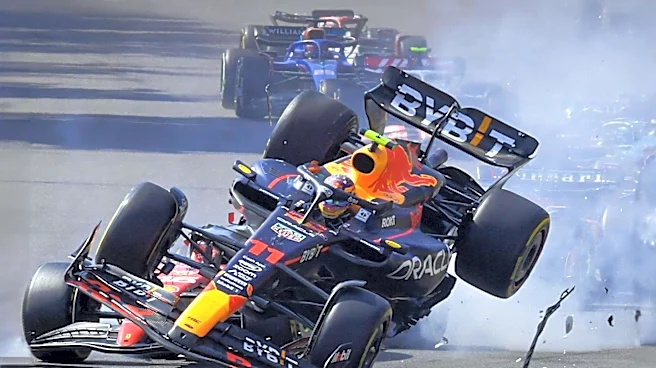
could lead to a decrease in fan interest. Sainz recently signed a multi-year contract extension with Williams, indicating his continued presence in the sport. His comments come amidst ongoing discussions within Formula 1 about the future structure and schedule of its racing calendar. Sainz has been involved in various on-track incidents and discussions throughout his career, highlighting his active role in the sport's evolution.
Why It's Important?
Sainz's remarks are significant because they highlight a growing concern among drivers and potentially other stakeholders about the sustainability and appeal of an ever-expanding Formula 1 calendar. An increase to 25 races could place immense physical and mental strain on drivers, team personnel, and logistical operations. While more races might generate additional revenue for the sport and its promoters, there's a risk of oversaturation, which could dilute the exclusivity and excitement of each event, ultimately impacting fan engagement and viewership. This could affect the sport's long-term financial health and its global appeal, particularly in key markets like the U.S. where Formula 1 has seen a recent surge in popularity.
What's Next?
The discussion around the optimal number of Formula 1 races is likely to continue, with input from drivers, teams, and the sport's governing bodies. Any decision to expand the calendar would involve complex negotiations and considerations of logistics, athlete welfare, and commercial viability. Stakeholders will need to weigh the potential benefits of increased exposure and revenue against the risks of burnout and diminished fan interest. Future calendar announcements will be closely watched for any indications of expansion or changes in race scheduling, which could influence team strategies, driver contracts, and the overall direction of the sport.
Beyond the Headlines
The debate over the Formula 1 calendar reflects a broader tension in professional sports between commercial growth and the well-being of participants. The pursuit of maximizing revenue through more events can inadvertently lead to a decline in the quality of competition or the health of its athletes. This situation also raises questions about the fan experience; while accessibility is important, the perceived 'specialness' of an event can be lost if it becomes too frequent. The long-term implications for Formula 1's global brand and its ability to attract new talent will depend on finding a balance that sustains both commercial success and the integrity of the sport.