
What's Happening?
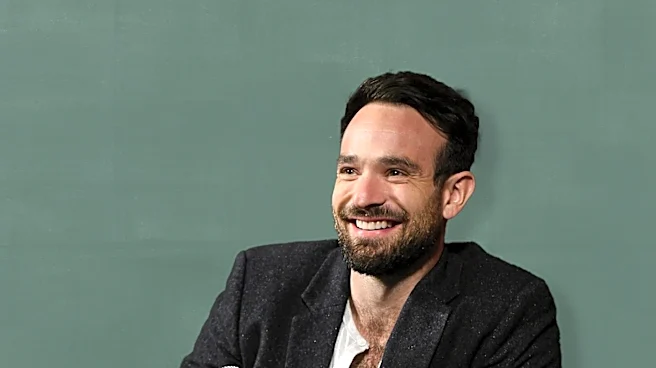
Charlie Cox, star of Daredevil: Born Again, revealed he was rejected from auditioning for the role of James Bond because he was deemed "too old." Cox, who will be 44 next month, expressed surprise at the decision,
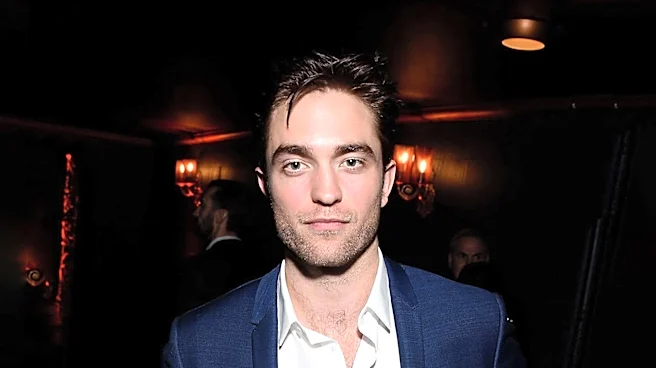
noting that Robert Pattinson, who was cast as the new 007, is approximately the same age. Cox had asked his agents to secure an audition for the iconic role but was informed of the age-related rejection. He made these comments during an interview with Virgin Radio UK's Chris Evans, where he also acknowledged Pattinson's successful career and expressed happiness for his old friend.
Why It's Important?
This incident highlights the stringent and sometimes arbitrary criteria used in major casting decisions within the entertainment industry. The rejection of an established actor like Charlie Cox based on age, especially when the chosen actor is of a similar age, raises questions about consistency and perceived marketability. For actors, it underscores the challenges of navigating an industry where factors beyond talent can dictate opportunities. For franchises like James Bond, it reveals the specific image and demographic they aim to target, potentially influencing future casting choices and the longevity of actors in such roles. This decision could also spark debate among fans about what constitutes the ideal age for iconic characters.
What's Next?
Following Robert Pattinson's casting as James Bond, the focus will shift to the production and eventual release of his debut film as 007. For Charlie Cox, his career will continue with his role in Daredevil: Born Again and other projects. The public discussion around ageism in Hollywood, particularly concerning male leads in action franchises, may continue. This event could also lead to more transparency or, conversely, more guarded statements from casting directors and studios regarding their selection processes for high-profile roles, as actors like Cox publicly share their experiences.
Beyond the Headlines
The rejection of Charlie Cox for the James Bond role due to age, despite his proximity in age to the chosen actor, touches upon broader societal perceptions of age and capability, particularly for men in physically demanding roles. It also subtly highlights the 'friendship group' dynamic among young actors in Hollywood, where early connections can lead to parallel career paths, sometimes with one achieving a major breakthrough before others. This scenario could fuel discussions about the subjective nature of casting and the often-unspoken biases that influence who gets selected for career-defining roles, regardless of their proven acting abilities or physical fitness. It also reinforces the idea that even successful actors face significant hurdles in securing highly coveted parts.