



What's Happening?
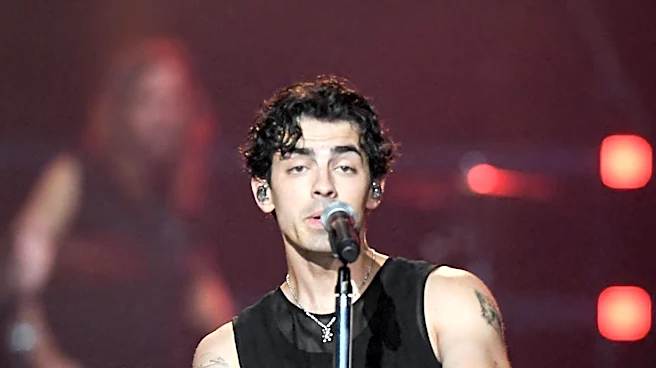
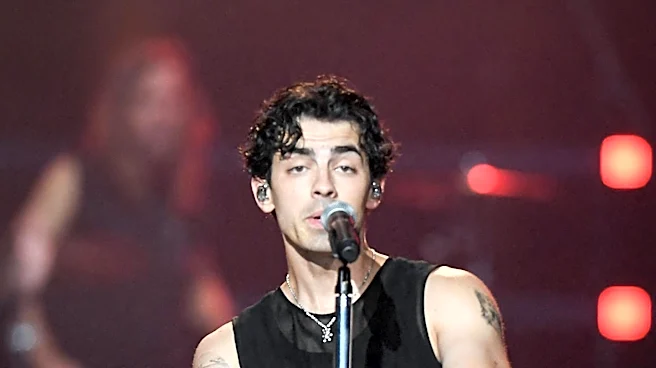
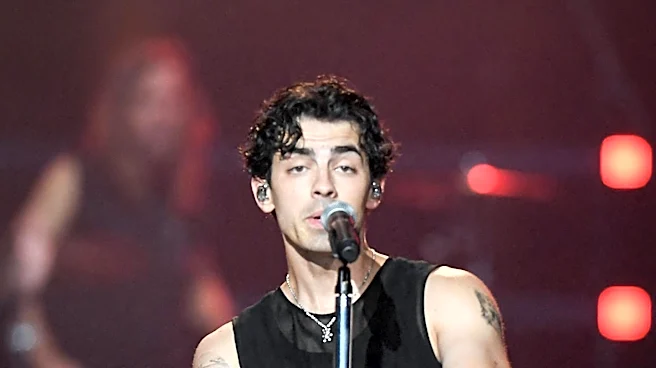
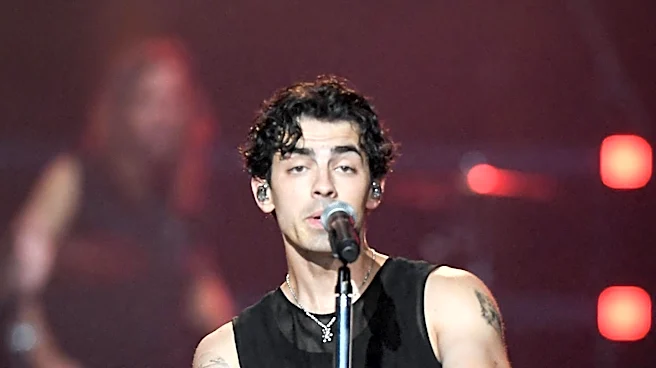
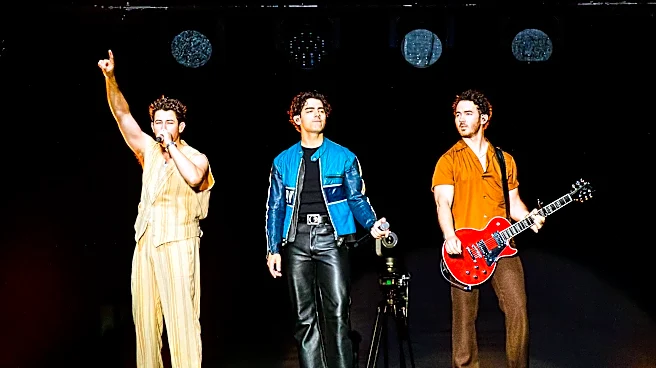
During a recent Jonas Brothers concert in California, Joe Jonas addressed a fan who repeatedly touched his arm and neck while he was performing the song 'Backwards' in the crowd. Jonas, who often walks into the audience to select a fan to sing with him,
told the individual, 'Let's not do that, honey!' Security personnel intervened when the touching continued. Despite the interruption, Jonas completed the segment, which included a hug for the fan he had initially invited to sing. The incident occurred as part of The Burning Up Tour: All Over Again, which commenced on August 20 at Madison Square Garden in New York City and is scheduled to conclude on December 22 at the Prudential Center in Newark, New Jersey. The tour is named after the band's 2008 hit, 'Burnin' Up.'
Why It's Important?
This incident highlights the ongoing challenges performers face in managing fan interactions during live shows, particularly when artists engage directly with the audience. While many fans appreciate the opportunity for close contact with their idols, such situations can quickly escalate into boundary violations, posing security concerns for the artists and potentially disrupting the performance. The mixed reactions from the audience—some praising Jonas for his calm handling of the situation, others questioning his decision to enter the crowd—underscore the differing expectations regarding performer-fan proximity. For the music industry, these events prompt discussions about balancing audience engagement with artist safety and maintaining a professional performance environment. It also brings attention to the role of security in live events and the need for clear protocols to protect performers.
What's Next?
As The Burning Up Tour: All Over Again continues its 45-city run, concert organizers and the Jonas Brothers' security team may review existing crowd interaction protocols to prevent similar incidents. While Joe Jonas has a history of engaging with fans in the audience, this event could lead to adjustments in how these interactions are managed, potentially involving increased security presence or modified stage designs to create a safer buffer. The band's tour is set to conclude in December, and the incident may influence future tour planning regarding audience engagement strategies. Discussions within the entertainment industry about performer safety and fan conduct at live events are likely to persist, potentially leading to updated guidelines for artists and venues.
Beyond the Headlines
The incident with Joe Jonas and the fan touches upon broader societal discussions regarding personal boundaries, consent, and the objectification of public figures. While fans often feel a strong connection to artists, the expectation of physical access can blur the lines of appropriate behavior. This event serves as a reminder that even in a celebratory concert environment, performers are entitled to their personal space and safety. It also reflects the evolving nature of celebrity culture, where social media and direct fan engagement platforms can sometimes foster a sense of entitlement among some followers. The way such situations are handled by artists and security can set precedents for fan behavior and contribute to a healthier, more respectful concert-going culture.