









What's Happening?
Alaska holds some of the largest undeveloped oil and natural gas resources in North America, yet attracting the necessary capital for development remains challenging. Despite the vast resource potential, recent federal lease sales have seen limited participation.
Investors are hesitant due to concerns about project timelines, costs, regulatory uncertainty, and long-term returns. While Alaska offers significant production potential, the market's focus on short-cycle returns and capital discipline makes it a difficult sell compared to regions like the Permian Basin, where infrastructure and quicker returns are more appealing.
Why It's Important?
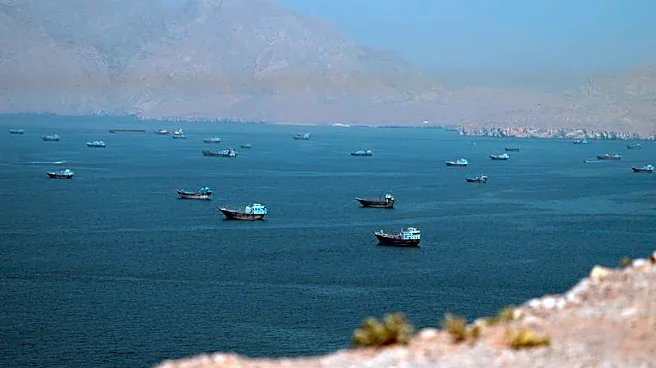
The situation in Alaska highlights the broader challenges facing long-term energy projects in the current investment climate. As the world increasingly focuses on energy security and domestic resource development, Alaska's strategic value could become more pronounced. However, the need for substantial investment, extensive infrastructure, and regulatory stability poses significant hurdles. The ongoing disruptions in global energy markets, such as those in the Strait of Hormuz, may enhance Alaska's appeal as a stable and secure energy source, but investors must be willing to commit to long-term projects.
Beyond the Headlines
Alaska's energy potential is not just about production growth; it represents a strategic opportunity for the U.S. to enhance energy security and supply chain resilience. The state's resources could play a crucial role in meeting future energy demands, but this requires overcoming significant investment and regulatory challenges. The focus on short-term returns in the investment community may need to shift to recognize the long-term benefits of developing Alaska's resources, which could include job creation, economic growth, and strengthened energy exports.