





What's Happening?
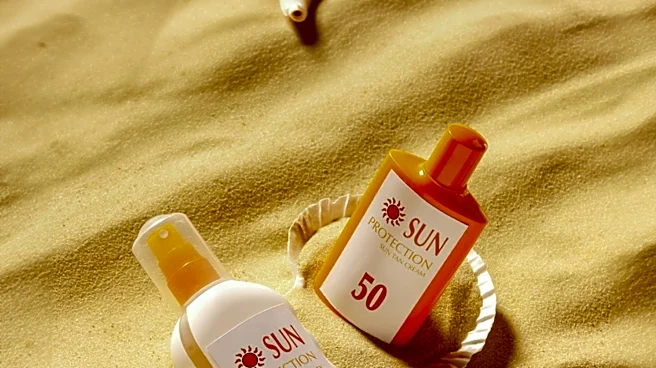
Korean sunscreens are increasingly popular in the U.S. market, distinguished by their lightweight textures, minimal to no white cast, and integration of skincare ingredients. Ulta Beauty highlights several such products, including the Abib Airy Sunstick
Smoothing Bar with SPF 50+, designed for oil control and a semi-matte finish, and the Abib Quick Sunstick Protection Bar, also SPF 50+, which offers hydration and a non-sticky feel. Other notable products include AXIS-Y Complete No-Stress Physical Sunscreen V.3 SPF 50, a mineral formula with niacinamide, and ANUA Zero-Cast Moisturizing Finish Sunscreen SPF 50, a lightweight daily option. These sunscreens often feature ingredients like hyaluronic acid, niacinamide, centella, and ceramides, providing benefits beyond UV protection. The emphasis is on easy reapplication, with many products available in stick or serum formats that can be used over or under makeup.
Why It's Important?
The growing popularity of Korean sunscreens in the U.S. signifies a significant shift in consumer preferences and product innovation within the beauty industry. Consumers are increasingly seeking sun protection that is not only effective but also comfortable to wear, cosmetically elegant, and beneficial for skin health. The 'no white cast' and 'lightweight texture' features address long-standing barriers to consistent sunscreen use, potentially leading to better public health outcomes related to sun exposure. For U.S. beauty retailers and brands, this trend presents both a challenge and an opportunity. It encourages domestic brands to innovate and compete with the advanced formulations offered by K-Beauty, while also opening up new market segments for imported products. The integration of skincare ingredients into sunscreens blurs the lines between sun protection and daily skincare, influencing product development across the industry.
What's Next?
The U.S. market is likely to see a continued influx of Korean sunscreen brands and products, further diversifying consumer choices. This trend will probably drive more innovation in sunscreen formulations, with a greater emphasis on hybrid products that offer both high SPF and targeted skincare benefits. Domestic beauty brands may respond by developing their own lines of lightweight, cosmetically elegant sunscreens, potentially incorporating similar advanced ingredients and application formats. Educational efforts around sun protection may also evolve, highlighting the benefits of these new-generation sunscreens in encouraging daily use. Furthermore, the success of Korean sunscreens could influence regulatory discussions regarding ingredient approvals and labeling standards for sun protection products in the U.S., as consumers become more familiar with international standards like PA ratings for UVA protection.
Beyond the Headlines
The embrace of Korean sunscreens in the U.S. reflects a broader cultural exchange and the increasing globalization of beauty standards. It highlights how consumer demand, driven by access to international products and information, can reshape local markets. This trend also underscores a growing sophistication in consumer understanding of skincare, moving beyond basic sun protection to a more holistic approach that considers texture, finish, and added benefits. The emphasis on 'no white cast' also has social implications, making sunscreens more inclusive for individuals with diverse skin tones who have historically struggled with the chalky appearance of many traditional mineral sunscreens. This shift represents not just a product trend, but a deeper evolution in how sun protection is perceived and integrated into daily life, promoting healthier skin practices across a wider demographic.