

What's Happening?
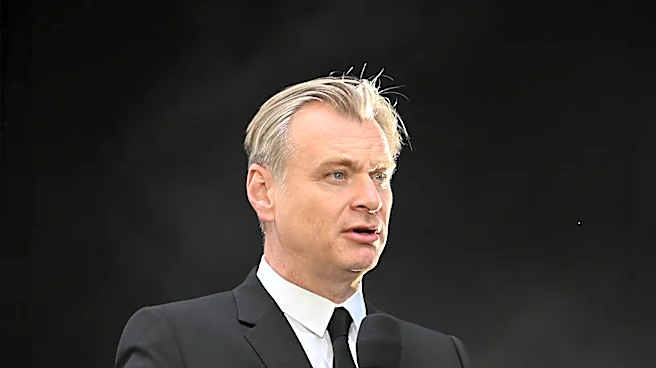
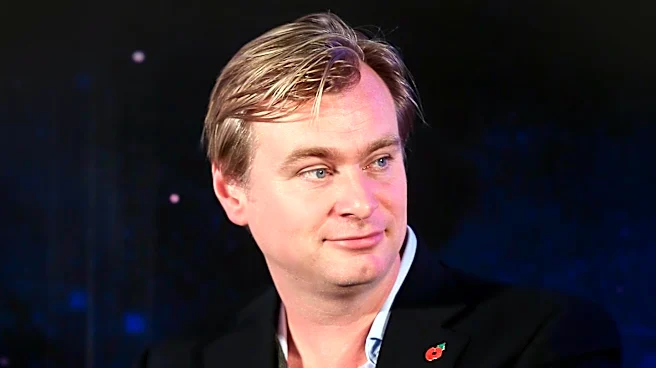
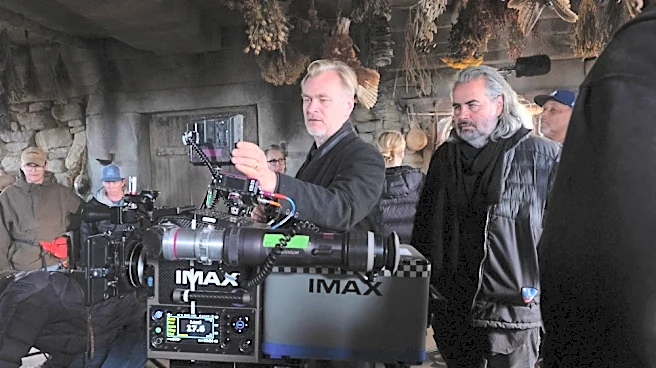
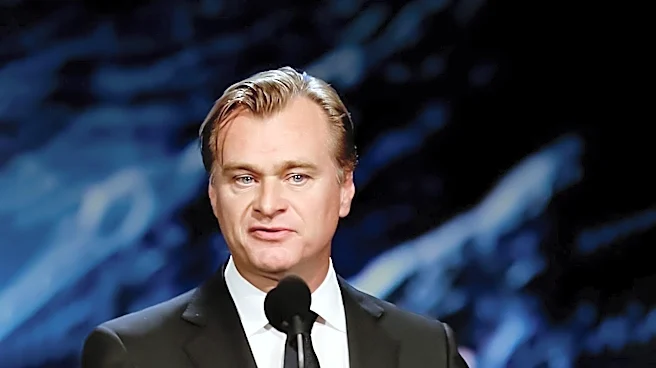
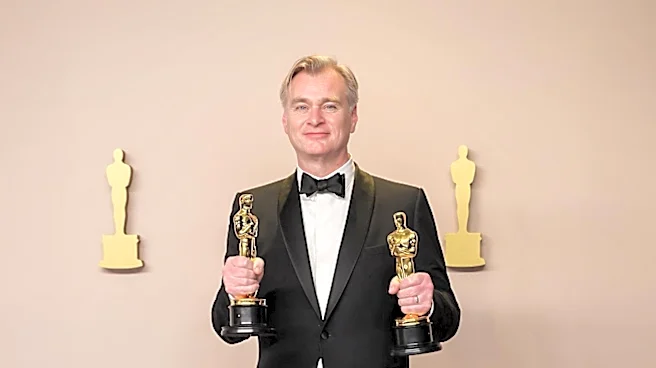
Christopher Nolan has expressed concerns about the current state of film criticism, particularly in relation to his latest film, 'The Odyssey'. The film, which has grossed over $911 million worldwide, has sparked debates over its adaptation choices, such
as casting and historical accuracy. Nolan argues that understanding a film's narrative mechanisms does not diminish its impact, and he criticizes the tendency of some critics to dismiss films based on perceived predictability. He emphasizes the importance of storytelling and the interaction between audience expectations and cinematic techniques.
Why It's Important?
Nolan's comments highlight ongoing tensions between filmmakers and critics, particularly regarding the interpretation and evaluation of artistic choices. This discourse is significant as it reflects broader debates about the role of criticism in shaping public perception and the success of films. Nolan's defense of his creative decisions underscores the challenges filmmakers face in balancing artistic vision with audience expectations. The discussion also points to the evolving nature of film criticism in the digital age, where amateur reviews and social media play an increasingly influential role.
Beyond the Headlines
The debate over 'The Odyssey' and Nolan's response may influence future discussions about the role of adaptation in cinema. As filmmakers continue to reinterpret classic works, the balance between fidelity to source material and creative innovation will remain a contentious issue. Nolan's emphasis on the emotional and narrative power of film suggests a potential shift towards more nuanced evaluations of cinematic art. This could lead to a broader acceptance of diverse storytelling approaches and a reevaluation of what constitutes successful adaptation.