





What's Happening?
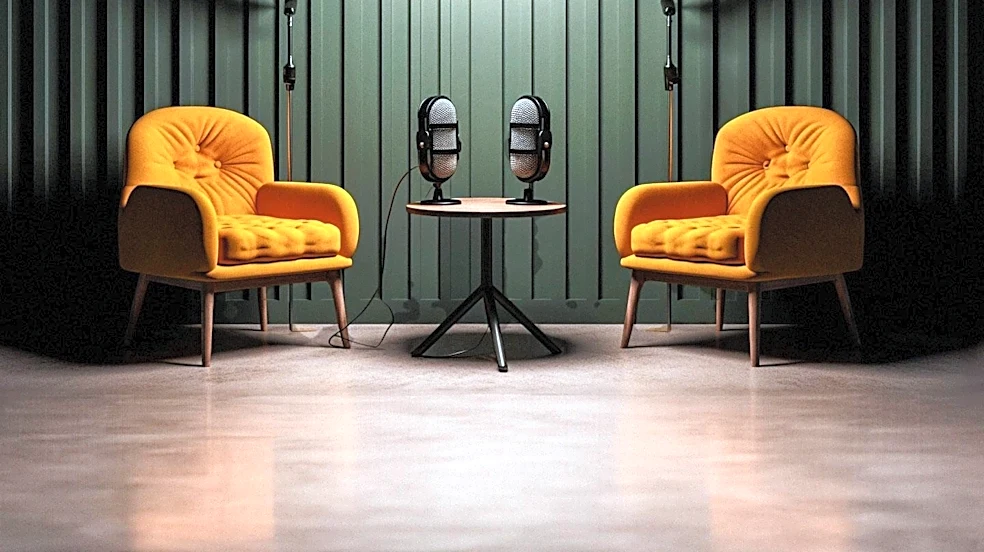
Bobby Carter, Creative Director for NPR’s Tiny Desk, has shared insights into what constitutes a successful Tiny Desk concert. After 14 years of producing the series, Carter emphasizes the importance of artists adapting to the strict technical parameters
of the show, which include no speakers, in-ear monitors, or amplification. He values moments where artists reveal their personality within this stripped-down setting. The discussion, featured on NPR's 'It's Been a Minute' with Brittany Luse, delves into Carter's favorite past performances, his aspirations for future guests, and the overall direction of the Tiny Desk series. This behind-the-scenes look highlights the unique challenges and creative opportunities presented by the Tiny Desk format, which has become a prominent platform for musicians across various genres.
Why It's Important?
The Tiny Desk concert series has become a significant cultural phenomenon in the U.S. music landscape, offering artists a unique and intimate platform to connect with audiences. Its emphasis on raw, unamplified performances challenges conventional concert production and highlights musical talent in a different light. For emerging artists, a Tiny Desk appearance can provide substantial exposure and credibility, while established artists use it to showcase their versatility and connect with fans on a more personal level. The series' success underscores a broader trend in music consumption towards authentic, less-produced content, influencing how artists and labels approach promotion and audience engagement. Bobby Carter's perspective as the creative director is crucial for understanding the artistic integrity and strategic vision behind this influential series, impacting both artists' careers and NPR's role in music journalism.
What's Next?
The ongoing success and evolution of the Tiny Desk series suggest continued innovation in its format and artist selection. Bobby Carter's vision for future guests and the show's direction will likely influence which artists gain this coveted platform, potentially shaping music trends and artist visibility. As the series continues to adapt, it may explore new ways to engage its growing audience, possibly through expanded digital content or collaborations. The insights shared by Carter could also inspire other media outlets and music platforms to develop similar intimate performance formats, further diversifying the ways in which music is presented and consumed. The series' commitment to unamplified performances will likely remain a core tenet, continuing to challenge artists to present their work in its most authentic form.
Beyond the Headlines
The Tiny Desk series transcends mere musical performance; it represents a significant cultural touchstone that champions authenticity and artistic vulnerability in an era often dominated by highly produced content. Its format, which strips away the elaborate staging and sound engineering typical of larger concerts, forces artists to rely solely on their musicality and personality. This approach fosters a deeper connection between artists and their audience, promoting a more genuine appreciation for the craft of music. Ethically, the series upholds a standard of artistic integrity by not accepting payment for coverage, ensuring that featured artists are chosen based on merit rather than financial incentives. This commitment to independent curation reinforces NPR's role as a trusted cultural institution and influences broader discussions about the value of unadulterated artistic expression in the digital age.