






What's Happening?
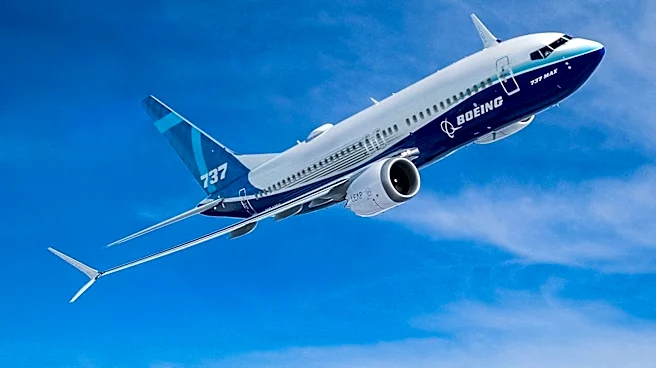
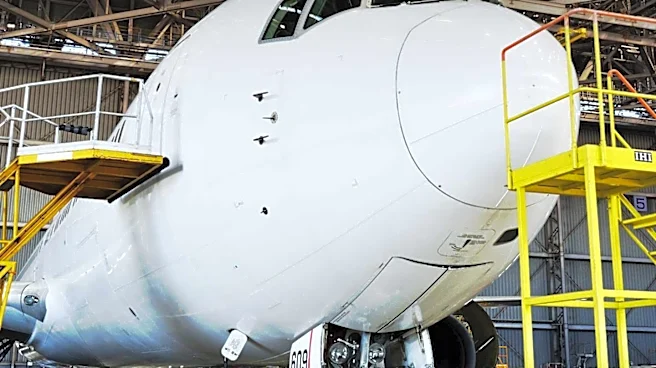
Boeing has announced a delay in achieving its target production rate of 47 737 jets per month, pushing the timeline into early 2027. This setback, attributed to ongoing supply-chain constraints and higher production costs, means the company will not meet
its previous goal of delivering 500 commercial aircraft in 2026. Despite a record order backlog of $745 billion, including over 6,300 commercial airplanes, Boeing's Commercial Airplanes division reported an operating loss of $697 million in the third quarter of 2026, delivering 161 jets. This loss, approximately $4.3 million per plane by some calculations, occurred even as overall company revenue rose 4% to $24.2 billion, and the net loss narrowed significantly to $116 million from $5.3 billion a year earlier. The company also achieved certification milestones for the 737-7 and 737-10 variants from the Federal Aviation Administration (FAA) in the third quarter and October, respectively, and the 777X remains on track for first delivery in 2027.
Why It's Important?
This delay in Boeing's 737 production ramp-up has significant implications for the U.S. aerospace industry and global aviation. The inability to meet production targets directly impacts airlines awaiting new aircraft, potentially delaying fleet modernization, expansion plans, and the introduction of more fuel-efficient jets. For Boeing, the prolonged production challenges and associated losses in its commercial airplanes division underscore persistent operational hurdles despite strong demand. Investors reacted negatively, with Boeing shares plunging, reflecting concerns about the company's ability to convert its substantial order backlog into profitable deliveries and generate anticipated free cash flow. The situation highlights the fragility of complex global supply chains and their critical role in large-scale manufacturing, affecting not only Boeing's financial performance but also the broader economic landscape reliant on efficient air travel and cargo. The company's focus on 'disciplined execution' suggests a cautious approach to avoid past quality control issues, balancing production speed with safety and reliability.
What's Next?
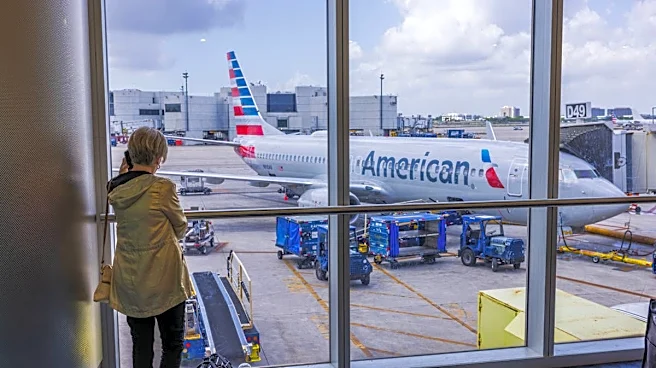
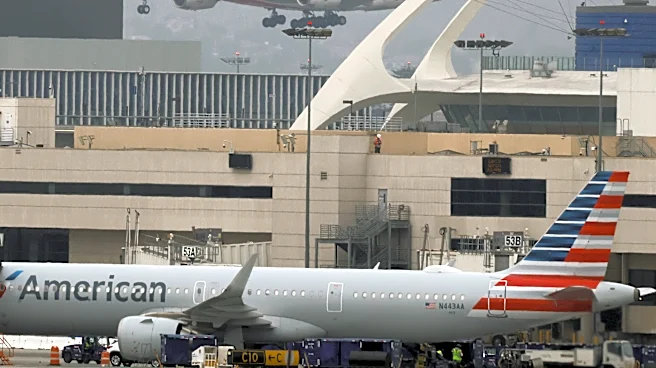
Boeing's immediate focus will be on stabilizing its 737 production to reach the revised target of 47 aircraft per month by early 2027. The company will need to address the identified supply-chain constraints and manage rising production costs to improve the profitability of its commercial aircraft deliveries. Airlines, such as American, Turkish Airlines, Ethiopian Airlines, and Lufthansa, which have placed significant orders, will be closely monitoring Boeing's progress, as further delays could impact their operational strategies. Boeing's chief executive, Kelly Ortberg, has emphasized the importance of safety and quality, indicating a continued cautious approach to production increases. The company's financial performance in upcoming quarters will be scrutinized for signs of improved operating margins in the commercial airplanes division and a stronger free cash flow outlook, which is currently below analyst expectations for 2027 and 2028. The successful delivery of the 777X in 2027 will also be a key indicator of program execution.
Beyond the Headlines
The ongoing production challenges at Boeing extend beyond immediate financial and delivery metrics, touching upon deeper issues within the aerospace manufacturing ecosystem. The emphasis on 'disciplined execution' by Boeing's leadership reflects a strategic shift towards prioritizing quality and safety over rapid production, a direct consequence of past incidents and regulatory scrutiny. This approach, while potentially slowing short-term output, aims to rebuild trust and ensure long-term sustainability. The situation also highlights the increasing complexity and interconnectedness of global supply chains, where a single bottleneck can have ripple effects across an entire industry. Furthermore, the record backlog, while a testament to demand, also represents a significant operational and financial burden if not managed efficiently. The ability of Boeing to navigate these challenges will not only determine its market position but also influence the future of commercial aviation, setting precedents for how large-scale, high-stakes manufacturing adapts to evolving global economic and regulatory pressures.