







What's Happening?
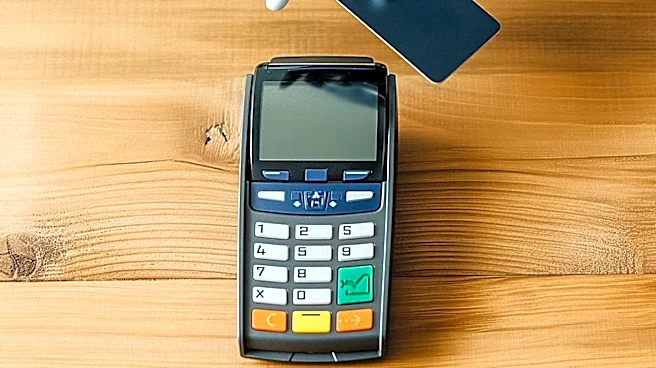
Square is providing U.S. businesses with comprehensive payment processing solutions that integrate point-of-sale (POS) software, invoicing, and reporting tools. This system allows businesses to accept payments in person, online, and via mobile devices
without requiring a traditional merchant account. Square offers various plans, including Square Free, which has no monthly software subscription, with processing fees applied per transaction. Standard in-person processing costs 2.6% + 15 cents per transaction, while online payments are 3.3% + 30 cents. The platform supports major card brands like Visa, Mastercard, American Express, and Discover, as well as contactless payments such as Apple Pay and Google Pay. Square handles payment authorization, processing, settlement, and reporting, streamlining operations for merchants. Businesses can choose from different software plans—Free, Plus, and Premium—each offering varying features and processing rates. Square also provides hardware options like Square Reader and Square Terminal, and supports mobile payments through compatible devices or Tap to Pay functionality.
Why It's Important?
Square's payment processing system is crucial for U.S. small and medium-sized businesses, offering an accessible entry point into digital payment acceptance. By eliminating the need for a traditional merchant account, Square simplifies the setup process, enabling businesses to quickly begin accepting card payments. This flexibility supports diverse business models, from retail and restaurants to mobile services and e-commerce, fostering broader participation in the digital economy. The integrated POS system helps businesses manage sales, inventory, and customer relationships more efficiently, reducing administrative burdens. While flat-rate pricing offers predictability, businesses with high sales volumes or numerous small transactions need to carefully evaluate total costs, as interchange-plus pricing from other providers might be more cost-effective in certain scenarios. The availability of various payment methods, including contactless options, also enhances customer convenience and security, aligning with evolving consumer preferences.
What's Next?
Businesses utilizing Square will continue to benefit from ongoing updates to its payment processing and POS features, aimed at improving efficiency and security. Square is likely to further refine its pricing models and introduce new tools to cater to specific industry needs, potentially offering more tailored solutions for different business types. As digital payment trends evolve, Square may expand its support for emerging payment technologies and integrate with more third-party platforms to enhance its ecosystem. Businesses processing over $250,000 annually can engage in custom pricing discussions, indicating a potential for more competitive rates for larger merchants. The continued adoption of contactless payments and digital wallets will likely drive Square to enhance these features, ensuring its platform remains competitive and aligned with consumer payment habits.
Beyond the Headlines
The widespread adoption of Square's payment processing reflects a broader shift in the U.S. towards democratizing financial technology for small businesses. By lowering barriers to entry for card acceptance, Square empowers entrepreneurs and micro-businesses that might otherwise struggle with traditional banking requirements. This has significant implications for economic inclusivity, allowing a wider range of businesses to participate in the digital marketplace. However, the reliance on a single payment service provider like Square also centralizes control over transaction data and funds, raising questions about data privacy, potential account freezes, and the impact of platform policies on small businesses. The flat-rate pricing model, while simple, can obscure the true cost of processing for some businesses, highlighting the need for financial literacy among small business owners to optimize their payment solutions. This trend also underscores the ongoing evolution of retail, where integrated payment and business management tools are becoming essential for operational success.