



What's Happening?
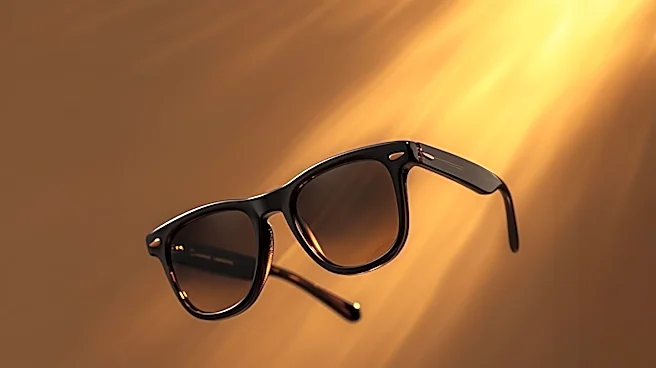
Wayfarer sunglasses are experiencing a significant comeback in fashion, with a renewed interest from both celebrities and the general public. Originally popular in the mid-20th century, these classic frames nearly disappeared by the 1970s. Their resurgence
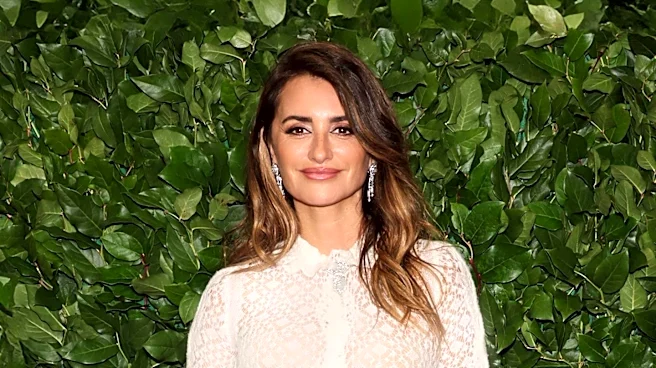
began in 1982 when Ray-Ban initiated a product placement deal, leading to their appearance in films and television shows. A notable instance was Tom Cruise wearing them in the 1983 film 'Risky Business,' which caused U.S. sales to skyrocket to 360,000 units. The trend continued with Don Johnson sporting them in 'Miami Vice' in 1984, pushing sales to 720,000. Today, cultural tastemakers like Madonna, Kate Moss, Taylor Swift, Kate Middleton, and A$AP Rocky have been seen wearing Wayfarers, solidifying their status as a timeless fashion accessory. This renewed interest signals a shift from micro frames and oversized lenses back to more classic and enduring styles.
Why It's Important?
The resurgence of Wayfarer sunglasses highlights a broader trend in the fashion industry towards classic and enduring styles, moving away from more ephemeral micro-trends. This shift can impact consumer spending habits, as individuals may invest in timeless pieces rather than constantly updating their wardrobes with fleeting fads. For eyewear manufacturers, this renewed popularity presents a significant market opportunity, potentially boosting sales and encouraging the reintroduction of other classic designs. The influence of celebrities and product placement in media continues to be a powerful driver of consumer trends, demonstrating how strategic marketing can revive a product's appeal decades after its initial peak. This trend also reflects a cultural appreciation for vintage aesthetics and a desire for items that blend historical significance with contemporary relevance, influencing design and marketing strategies across various consumer goods sectors.
What's Next?
The continued visibility of Wayfarers on celebrities and in popular culture suggests that their popularity is likely to persist, potentially leading to further collaborations between eyewear brands and entertainment industries. We may see other classic accessory styles follow suit, experiencing similar revivals as consumers and designers look to the past for inspiration. Retailers are expected to increase their stock of Wayfarer models and potentially introduce new variations that blend the classic design with modern elements. Fashion commentators will likely analyze this trend as an indicator of broader shifts in consumer preferences, possibly signaling a move towards more sustainable and long-lasting fashion choices. The success of Wayfarers could also inspire other heritage brands to re-evaluate their archives for potential re-releases, impacting product development and marketing strategies in the fashion and accessories markets.
Beyond the Headlines
The enduring appeal of Wayfarer sunglasses transcends mere fashion; it speaks to the power of iconic design and its ability to adapt across generations and cultural shifts. The story of Wayfarers is a testament to how a well-designed product, coupled with strategic cultural integration, can achieve lasting relevance. This phenomenon also touches upon the psychological aspect of consumer behavior, where association with influential figures and a sense of nostalgia can drive purchasing decisions. The Wayfarer's journey from near obsolescence to a modern staple underscores the cyclical nature of fashion and the potential for 'classic' items to continually redefine contemporary style. It also highlights the significant role of media and celebrity endorsement in shaping public taste, demonstrating how cultural narratives can imbue objects with meaning and desirability beyond their functional purpose.