


What's Happening?
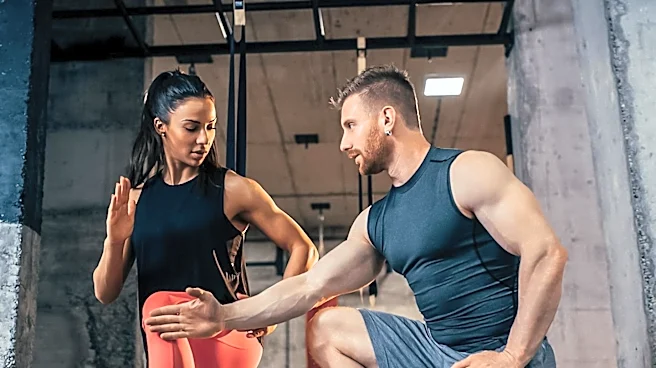
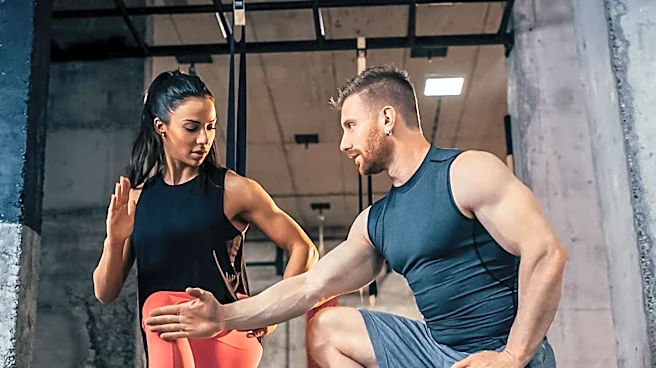
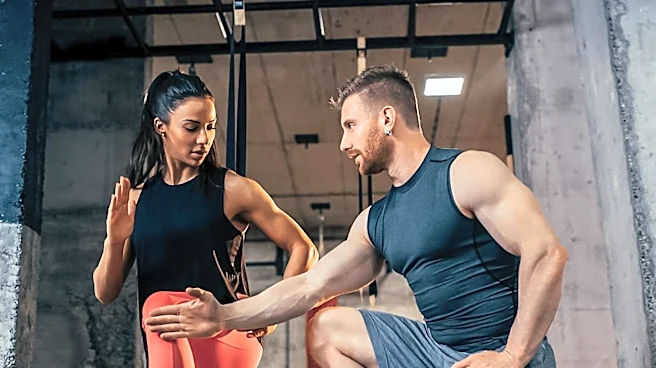
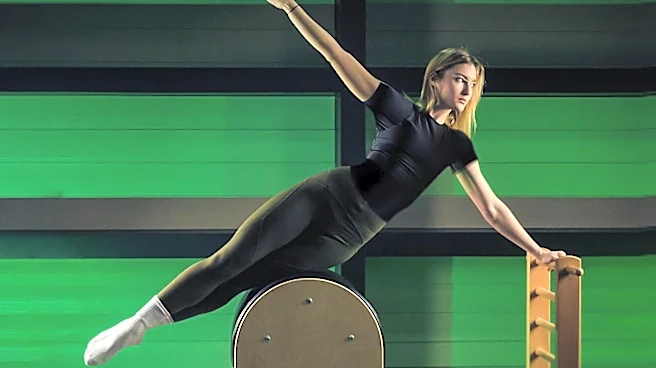
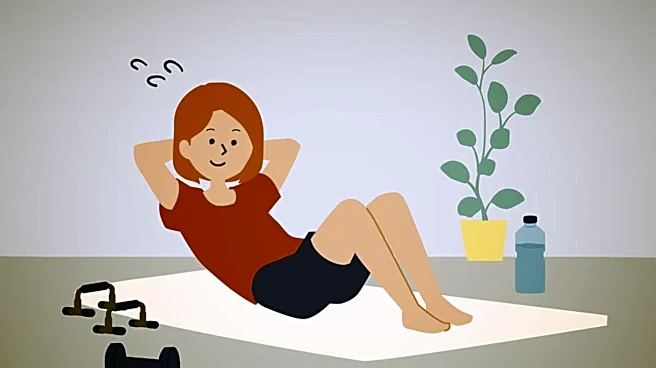
Bodylix has outlined effective strategies for home workouts that require no equipment, emphasizing that the body itself serves as the load for building strength and losing weight. The platform suggests a workout plan incorporating squats, push-ups, glute
bridges, and planks. For weight loss, the recommendation is to keep rest periods shorter (30-45 seconds), add 20-30 seconds of mountain climbers or high knees at the end of each round, and train four days a week while maintaining solid protein intake. To build strength, Bodylix advises slowing down repetitions, pausing for one second at the bottom of squats and push-ups, and choosing harder variations that allow for 6-10 controlled reps with 60-90 seconds of rest. A 20-minute routine for beginners includes bodyweight squats, knee or regular push-ups, glute bridges, forearm planks, reverse or stationary lunges, and dead bugs or bird-dogs, performed for three rounds with 45-60 seconds rest between moves.
Why It's Important?
The increasing demand for accessible fitness solutions, particularly in the U.S., makes equipment-free home workouts a significant trend. This approach democratizes fitness, removing barriers such as gym memberships, specialized equipment costs, and travel time, which can be substantial for many Americans. By providing structured, effective routines, Bodylix addresses the needs of individuals seeking to improve their health and fitness without external dependencies. This can lead to improved public health outcomes, as more people can consistently engage in physical activity. The emphasis on bodyweight exercises also promotes functional strength and reduces the risk of injury often associated with heavy lifting, making it suitable for a broader demographic, including beginners and those with limited space. The flexibility of these routines allows individuals to integrate fitness into busy schedules, fostering long-term adherence to healthy habits.
What's Next?
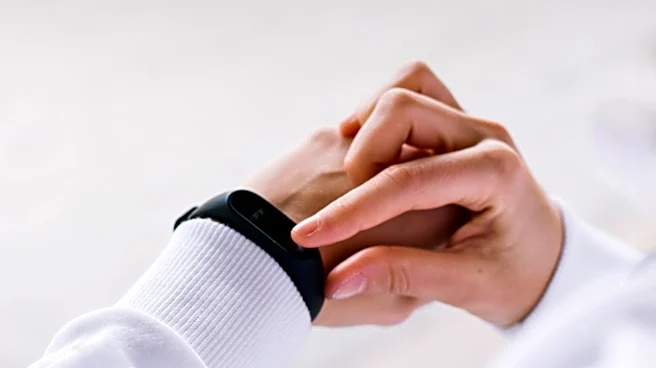
As awareness of the benefits and accessibility of equipment-free home workouts grows, more individuals are likely to adopt these routines. Fitness platforms and content creators may further innovate by offering more personalized programs, virtual coaching, and community support tailored to bodyweight training. The focus on consistency over intensity, as highlighted by Bodylix, suggests a shift towards sustainable fitness practices. This could lead to a reduction in reliance on traditional gym models and a greater emphasis on holistic well-being that can be achieved from home. Additionally, the integration of wearable technology and fitness tracking apps could enhance the effectiveness and engagement of these home-based programs, allowing users to monitor progress and receive real-time feedback on their performance.
Beyond the Headlines
The rise of equipment-free home workouts reflects a broader cultural shift towards self-sufficiency and adaptability in personal health management. This trend challenges the conventional fitness industry, which has historically relied on physical infrastructure and specialized equipment. It also underscores the psychological aspect of fitness, where consistency and habit formation are prioritized over sporadic, high-intensity efforts. The accessibility of these workouts can empower individuals in underserved communities or those with limited financial resources to take control of their health. Furthermore, the emphasis on body awareness and functional movement can lead to a more intuitive understanding of one's physical capabilities, fostering a deeper connection between mind and body. This movement could also influence urban planning and home design, with a greater consideration for spaces that facilitate indoor physical activity.