








What's Happening?
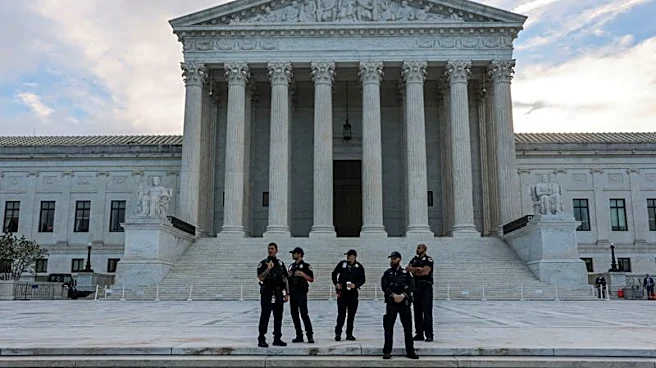
The U.S. Supreme Court has declined to hear Zillow Group's appeal to dismiss a class action lawsuit, allowing the case to proceed in federal court in Washington state. The lawsuit alleges that Zillow misled investors about its failed home-flipping business,
Zillow Offers. Investors sued after Zillow announced in November 2021 that it was shutting down the division, disclosing $300 million in losses and a 25% workforce reduction, admitting it could not accurately forecast future home prices. The investors claim that previous statements by Zillow's then-CEO and other leaders painted an overly positive picture of the business unit. Zillow's lawyers denied securities fraud, stating the company made a business decision that did not work out as hoped. The San Francisco-based 9th U.S. Circuit Court of Appeals previously upheld a judge's decision to allow the case to move forward as a class action, noting that Zillow's later disclosures suggested earlier statements may have obscured pricing model issues.
Why It's Important?
The Supreme Court's decision to not hear Zillow's appeal is significant for corporate accountability and investor protection in the U.S. financial markets. It reinforces the ability of investors to pursue class action lawsuits against companies accused of making misleading statements, particularly in 'price-maintenance' cases where alleged misrepresentations aim to prevent stock prices from falling. This ruling could encourage greater transparency from publicly traded companies regarding their business ventures and financial health, as they face continued scrutiny over their disclosures. For Zillow, the decision means facing a potentially costly and protracted legal battle, which could impact its financial performance and reputation. Pro-business lobbying groups, including the U.S. Chamber of Commerce, have criticized lower court rulings in similar cases, arguing they expose businesses to excessive litigation, highlighting the ongoing tension between investor protection and corporate liability.
What's Next?
With the Supreme Court declining to intervene, the class action lawsuit against Zillow Group will now proceed in federal court in Washington state. This means Zillow will continue to defend itself against allegations of misleading investors regarding its Zillow Offers business. The next steps will likely involve further discovery, potentially leading to a trial or a settlement. The outcome of this case could set precedents for how corporate disclosures are evaluated in securities fraud lawsuits, particularly concerning the relationship between initial statements and subsequent corrective disclosures that trigger stock drops. The legal proceedings will be closely watched by other publicly traded companies and investor groups, as the resolution could influence future corporate communication strategies and investor litigation trends.
Beyond the Headlines
This case delves into the complex legal landscape surrounding corporate disclosures and securities fraud, particularly the concept of 'price-maintenance' misrepresentations. It highlights the challenge for companies in balancing optimistic projections with realistic risk assessments, especially when venturing into new business models like Zillow's home-flipping operation. The legal battle also underscores the power of class action lawsuits as a mechanism for investor recourse and corporate governance. Beyond Zillow, the broader implication is a potential increase in scrutiny on how companies communicate financial performance and business risks to the public. This could lead to more cautious and detailed disclosures, impacting how companies manage investor relations and potentially influencing the appetite for innovative but risky business ventures in the future, as the legal ramifications of failure become more pronounced.