



What's Happening?
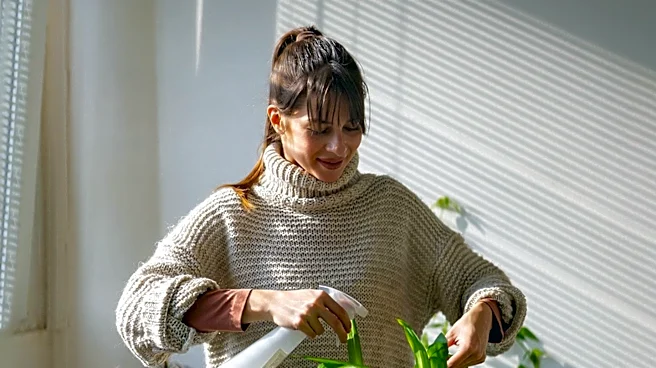
Justin Hancock, a horticulturist at Costa Farms and author of the forthcoming book 'The New Complete Guide to Houseplants,' has issued a warning regarding the detrimental effects of indoor heating on houseplants. According to Hancock, the warm, dry air
produced by central heating systems can lead to dehydration, yellowing leaves, pest infestations, and even plant death. He emphasizes that plants with thinner leaves are particularly susceptible to these issues due to their reduced capacity to retain moisture compared to plants with fleshy, waxy leaves like succulents. Hancock advises that while many plant owners protect their plants from cold drafts, the dry heat of indoor heating presents a different, often overlooked, challenge. He notes that prolonged exposure to dry air can create ideal conditions for pests such as spider mites, which can reproduce rapidly in such environments. Hancock's insights highlight the importance of managing indoor plant environments carefully during colder months when heating is in use.
Why It's Important?
This information is crucial for the significant number of U.S. households that maintain houseplants, especially during the winter months when indoor heating is prevalent. The advice from an expert like Justin Hancock can help prevent widespread plant loss and the associated financial and emotional costs for plant enthusiasts. Understanding which plants are most at risk and how to mitigate these risks can lead to healthier indoor plant ecosystems, reducing the need for frequent plant replacement. For the horticulture industry, this guidance can also influence consumer purchasing decisions, potentially increasing demand for more resilient plant varieties or products designed to improve indoor humidity. Furthermore, by addressing common plant care challenges, Hancock's advice contributes to a more informed and successful houseplant community, fostering greater engagement and satisfaction among plant owners across the country.
What's Next?
As winter approaches and indoor heating becomes more common across the U.S., plant owners are likely to seek and implement advice from experts like Justin Hancock. This could lead to increased sales of plant care accessories such as humidifiers, pebble trays, and soil moisture meters, as consumers become more aware of the specific needs of their plants in heated environments. Retailers in the gardening and home goods sectors may see a rise in demand for these products, as well as for plants identified as more resilient to dry conditions. Additionally, Hancock's upcoming book, 'The New Complete Guide to Houseplants,' is anticipated to provide further detailed guidance, potentially influencing long-term plant care practices. Educational content from horticultural experts is expected to continue to emphasize environmental management for indoor plants, promoting sustainable and effective care routines.
Beyond the Headlines
The insights provided by Justin Hancock extend beyond immediate plant care tips, touching upon broader themes of environmental awareness within the home. The discussion about the impact of indoor heating on plants underscores the delicate balance of artificial environments we create and their effects on living organisms. This can prompt a deeper consideration of indoor air quality and humidity levels, not just for plants but also for human well-being. The rapid reproduction of pests like spider mites in dry conditions also highlights the interconnectedness of environmental factors and biological systems, even within a household setting. This expert advice encourages a more holistic approach to home environment management, where the needs of all inhabitants, including plants, are considered for a healthier living space. It also subtly promotes a more mindful consumption of resources, as proper plant care reduces waste from discarded plants.