





What's Happening?
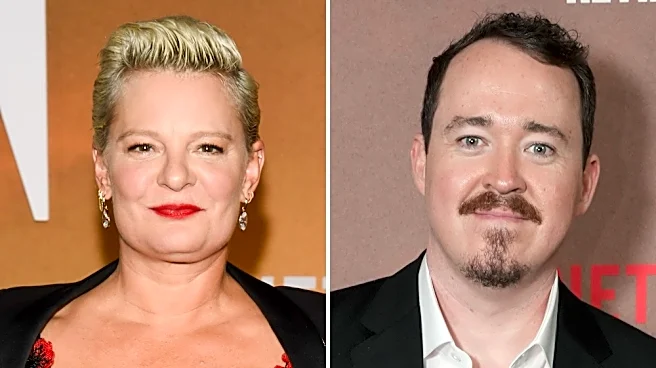
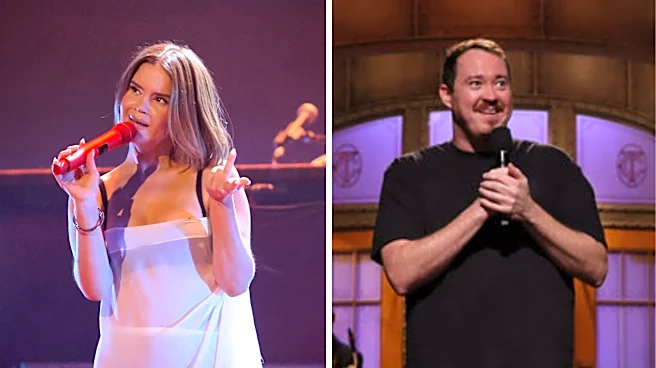
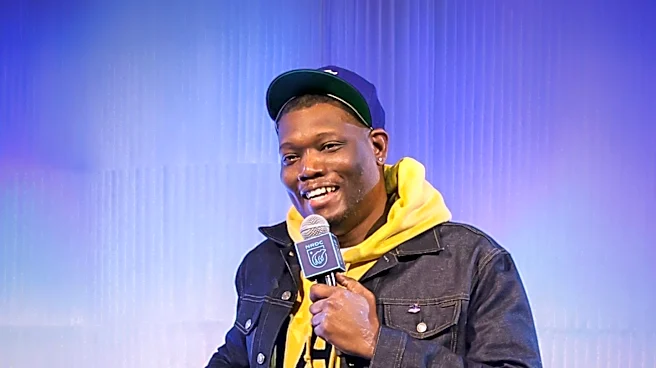
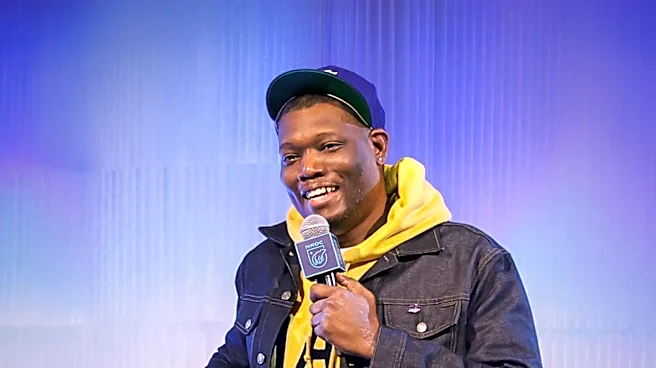
Comedian Michael Che, a cast member of 'Saturday Night Live' since 2013, dodged questions regarding fellow comedian Shane Gillis's recent controversial monologue on 'SNL'. During an interview on 'Today', Che was asked by Laura Jarrett about Gillis's remarks
concerning women's gym attire and the subsequent backlash. Gillis, during his monologue, stated, "I haven’t been to the gym in so long, I didn’t realize women just dressed like whores now," and described gymwear as having "wrinkles [that] go around the cheeks and all combine at the butthole." Che initially responded by saying, "That’s comedy. It’s like, you think it’s funny and then some people don’t." When pressed on whether he found the comments humorous, Che claimed he was at cue cards during the monologue and didn't see it until the next day. He further stated, after an awkward pause, that he "didn’t think about it honestly" when he did see it. Che also mentioned that not all cast members see monologue scripts in advance and that he prefers to focus on his 'Weekend Update' segment.
Why It's Important?
This incident highlights ongoing debates within the comedy industry regarding the boundaries of humor, particularly concerning potentially offensive content. The reluctance of a prominent comedian like Michael Che to directly address the controversy, instead framing it as subjective 'comedy,' reflects a common stance among some performers who prioritize creative freedom over public reception. The backlash against Gillis, including comments from former 'SNL' alums like Ego Nwodim and Cecily Strong, and public figures like Jenna Bush Hager, underscores a growing societal expectation for accountability from public figures, even in comedic contexts. This situation could influence how 'SNL' and other comedy platforms vet content and manage public relations in the future, potentially leading to more scrutiny of monologue material to avoid similar controversies. It also brings to light the differing perspectives on what constitutes acceptable humor and the role of comedians in social commentary.
What's Next?
The immediate future may see continued public discussion and social media commentary regarding Shane Gillis's monologue and Michael Che's response. While Che has declined to offer a strong opinion, the broader conversation about offensive humor in comedy is likely to persist. 'Saturday Night Live' may face internal or external pressure to address the nature of its comedic content, particularly if similar incidents occur. Comedians, in general, might become more cautious about their material, or conversely, some may double down on provocative humor, depending on their individual artistic philosophies and audience reactions. The incident could also spark further dialogue about the responsibilities of platforms like 'SNL' in curating content that balances artistic expression with social sensitivity. There is no indication from the source that Gillis will face further direct consequences from 'SNL' at this time, beyond the public backlash.
Beyond the Headlines
This event delves into the complex interplay between artistic expression, public perception, and the evolving standards of social acceptability in entertainment. The differing reactions to Gillis's comments—from outright condemnation to defenses of comedic freedom—illustrate a cultural tension regarding humor that challenges norms. It raises questions about whether comedy should always be provocative, or if it has a responsibility to avoid perpetuating harmful stereotypes. The incident also touches upon the 'cancel culture' phenomenon, where public figures face significant criticism and potential career repercussions for controversial statements. The fact that Gillis was previously fired from 'SNL' in 2019 for racist and homophobic slurs adds a layer of historical context, suggesting a pattern of controversial humor that continues to spark debate about his place in mainstream comedy and the industry's willingness to re-platform individuals with such histories. This ongoing dialogue shapes the landscape of modern comedy and its role in society.