





What's Happening?
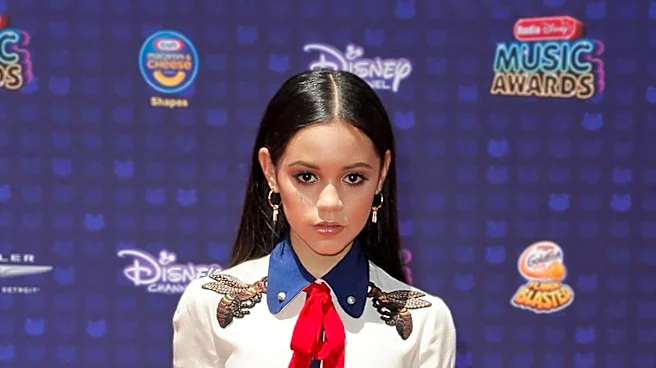
Jenna Ortega, the American actress known for her roles in 'Wednesday' and 'Scream 6,' recently opened up in an interview with American Vogue about the difficulties of starting her career as a child actor and her personal experience with obsessive-compulsive
disorder (OCD). Ortega, who began acting at a young age, expressed reservations about children entering the industry so early, citing instances where she would go without eating or drinking on set. She emphasized the need for less 'workhorse expectation' on young performers and highlighted the susceptibility of the environment for confusion. Ortega also shared details about her OCD, which she recognized at age seven, describing specific routines she felt compelled to perform daily. These routines, such as opening a bedsheet a certain way or counting to 71 while holding her breath, continue to impact her life, especially when she is tired, jet-lagged, or anxious. She also mentioned her practice of not reading reviews or watching her own movies to avoid becoming overly focused on numbers or external validation.
Why It's Important?
Jenna Ortega's candid discussion sheds light on significant issues within the entertainment industry and mental health awareness. Her comments about child acting bring attention to the potential pressures and lack of protective measures for young performers, prompting a broader conversation about child labor laws and welfare in Hollywood. This could lead to increased scrutiny and calls for reform to ensure healthier working conditions for minors in the industry. Furthermore, her openness about living with OCD is crucial for destigmatizing mental health conditions. By sharing her personal struggles, Ortega provides a relatable voice for many who experience similar challenges, potentially encouraging others to seek help and fostering greater understanding and empathy. This transparency from a prominent figure can contribute to a more supportive environment for individuals with mental health conditions, both within and outside the entertainment sector. Her perspective also highlights the importance of personal well-being over external validation in a highly scrutinized profession.
What's Next?
Ortega's interview may spark further discussions within the entertainment industry regarding the treatment and protection of child actors. Industry organizations and unions might face renewed pressure to review and potentially revise guidelines concerning working hours, on-set support, and educational provisions for minors. Her advocacy for creative development over early specialization could influence how aspiring young actors and their parents approach career paths. In terms of mental health, Ortega's disclosure about OCD is likely to resonate with mental health advocates and organizations, potentially leading to increased public awareness campaigns and resources. Her continued visibility and willingness to speak on these topics could inspire other public figures to share their experiences, further normalizing conversations around mental health. For Ortega herself, she expressed a desire to 'slow down a bit' and explore other creative avenues like musical composition or photography, indicating a potential shift in her career focus towards more personal and less demanding pursuits.
Beyond the Headlines
The deeper implications of Ortega's statements extend to the cultural perception of success and well-being in high-pressure environments. Her reluctance to engage with reviews and box office numbers challenges the industry's often-singular focus on commercial metrics, suggesting a more holistic view of artistic fulfillment. This could encourage a re-evaluation of what truly constitutes a successful career, particularly for young individuals navigating intense public scrutiny. Ethically, her concerns about child acting raise questions about the balance between artistic opportunity and the developmental needs of children, prompting a societal reflection on the responsibilities of industries that employ minors. Culturally, her openness about OCD contributes to a growing trend of celebrities using their platforms to discuss mental health, gradually eroding stigmas and fostering a more accepting society. This shift can empower individuals to prioritize their mental well-being and seek support without fear of judgment, ultimately promoting a healthier public discourse around mental health.