






What's Happening?
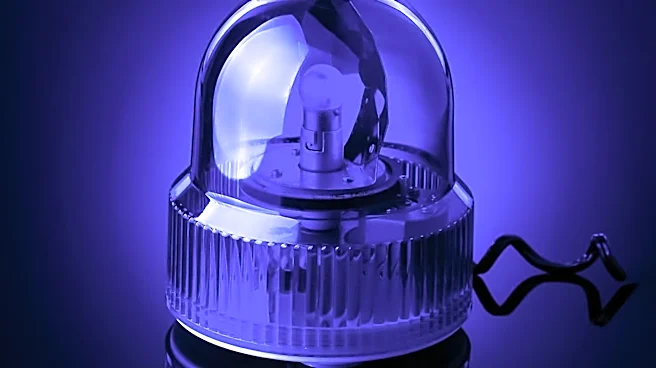
HiViz Lighting, a Hendersonville-based company that supplies emergency lighting for approximately 80% of new fire trucks in the United States, is facing an uncertain future. A long-running supply agreement with Vision X, a company owned by Australian
auto-parts firm Amotiv, is set to expire. HiViz Lighting CEO Sam Massa stated that the company began experiencing longer lead times and product quality concerns after Amotiv acquired Vision X. In response, HiViz decided to increase its in-house manufacturing in Hendersonville. Massa claims this decision led Amotiv to terminate the supply agreement and attempt to renegotiate during the termination period. Furthermore, HiViz alleges that Amotiv is withholding manufacturing tools, design files, and rights necessary for HiViz to produce certain products independently in North Carolina. Amotiv, through Vision X, disputes that HiViz will lose access to products, stating its intention to continue supplying HiViz while working to resolve the commercial dispute and assuring that products will remain available to the American emergency-services community. A spokesperson for Vision X also confirmed recent shipments to fulfill HiViz orders and ongoing processing of additional orders.
Why It's Important?
This dispute has significant implications for the U.S. emergency services sector, as HiViz Lighting is a major supplier for fire trucks nationwide. Any disruption in the supply of essential lighting components could impact the readiness and safety of first responder vehicles. For HiViz Lighting, the inability to access manufacturing tools and design files could jeopardize its operations and potentially lead to its closure, as stated by CEO Sam Massa. This situation highlights vulnerabilities in supply chains, particularly when U.S. companies rely on international partners for critical components. The outcome of this commercial dispute will determine the future of a key domestic supplier for emergency vehicles and could influence how other U.S. companies manage their manufacturing and supply agreements with foreign-owned entities, especially concerning proprietary designs and tooling. The dispute also underscores the importance of clear contractual agreements and intellectual property rights in international business relationships.
What's Next?
HiViz Lighting currently possesses enough inventory to continue supplying first responders for several more months, providing a temporary buffer. However, the company faces an uncertain transition as the legal dispute with Amotiv continues. The immediate next step involves the resolution of the commercial dispute, particularly regarding HiViz's access to manufacturing tools, design files, and rights. If these issues are not resolved, HiViz Lighting's ability to manufacture critical products could be severely hampered, potentially leading to significant operational challenges or even cessation of business. The situation may escalate into further legal action if the parties cannot reach an amicable settlement. The U.S. emergency services community will be closely watching the developments, as a prolonged disruption could necessitate finding alternative suppliers for essential vehicle lighting, potentially impacting procurement processes and equipment standardization.
Beyond the Headlines
The conflict between HiViz Lighting and Amotiv extends beyond a typical commercial disagreement, touching upon broader themes of national security and economic resilience. The reliance of U.S. emergency services on a single, albeit indirect, foreign-owned supplier for critical equipment highlights potential vulnerabilities in the domestic supply chain for essential public safety infrastructure. This case could prompt a reevaluation of procurement strategies for first responder equipment, encouraging greater domestic manufacturing or diversification of suppliers to mitigate risks associated with international commercial disputes. Furthermore, the allegations of withholding manufacturing tools and design files raise questions about intellectual property protection and the control of proprietary technology when engaging with foreign partners. The outcome could set precedents for how U.S. companies protect their interests and ensure continuity of supply for vital sectors in an increasingly globalized manufacturing landscape.