





What's Happening?
GM Energy and Pacific Gas and Electric (PG&E) have announced a new partnership aimed at simplifying electric vehicle (EV) ownership and charging for consumers in Northern and Central California. This collaboration introduces the 'Smart Charge Bundle,'
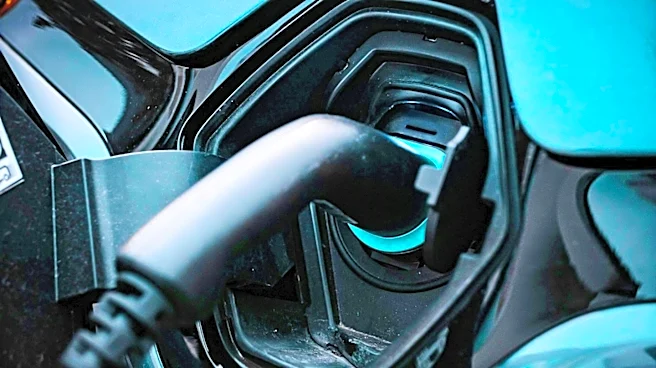
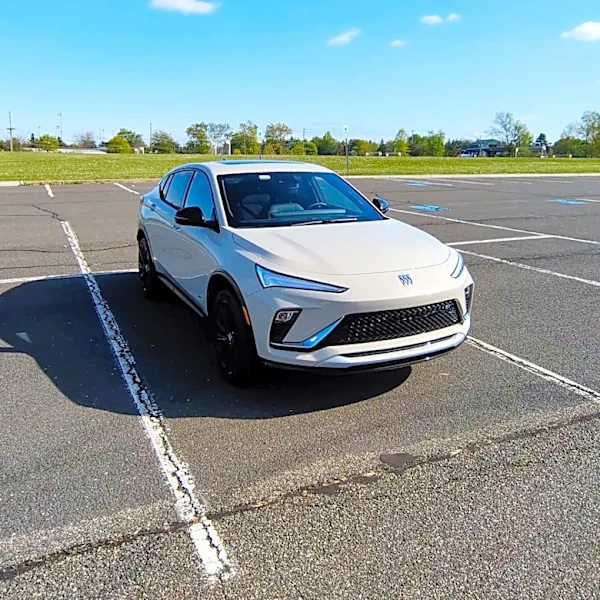
a program designed to integrate home charging solutions into the EV purchasing process from the outset. Eligible customers buying Cadillac, Chevrolet, or GMC EVs from participating dealerships can explore charging options from GM Energy and enroll in PG&E programs. A key incentive of this bundle is the offer of a free Energy PowerShift or PowerUp 2 home charger, representing a saving of up to $1,999. While the charger itself is free, customers are responsible for installation, permitting, and any necessary electrical upgrades. The program also connects customers with PG&E’s EV Charge Manager program, which optimizes charging times to align with lower electricity prices and demand, potentially saving customers up to $50 per month on their electricity bills, in addition to a $15 monthly bill credit. This initiative is available to eligible PG&E residential customers through February 2027 or until program capacity is reached.
Why It's Important?
This partnership is significant for the U.S. automotive and energy sectors, particularly in California, a leading state for EV adoption. By streamlining the home charging setup and offering financial incentives, GM and PG&E are addressing common barriers to EV ownership, such as the initial cost of charging infrastructure and concerns about electricity costs. This move could accelerate EV adoption rates by making the transition more accessible and economically attractive for first-time buyers. For GM, it enhances the value proposition of its EV lineup and strengthens its position in the competitive EV market. For PG&E, it promotes efficient energy consumption by encouraging off-peak charging, which helps manage grid demand and potentially reduces the need for costly infrastructure upgrades. The bidirectional charging capability of the PowerShift charger also introduces the potential for vehicle-to-home (V2H) functionality, allowing EVs to serve as backup power sources during outages, adding resilience to the energy grid and value to EV owners.
What's Next?
The Smart Charge Bundle program is set to continue through February 2027, or until its capacity is met, indicating a defined period for initial implementation and evaluation. GM Energy and PG&E will likely monitor the program's success in terms of EV charger adoption, customer satisfaction, and its impact on grid load management. Depending on the outcomes, similar partnerships could be explored in other regions or expanded to include more vehicle brands and utility providers. The integration of V2H technology, facilitated by chargers like the PowerShift, suggests a future where EVs play a more active role in home energy management and grid stability. Further developments might include enhanced smart charging features, integration with broader smart home ecosystems, and potentially more sophisticated vehicle-to-grid (V2G) capabilities, allowing EVs to not only power homes but also feed excess energy back into the grid. The success of this program could serve as a model for how automakers and utility companies can collaborate to support the growing EV ecosystem.
Beyond the Headlines
This collaboration extends beyond mere sales incentives; it represents a strategic alignment between the automotive and utility industries to reshape the future of energy consumption and infrastructure. The emphasis on smart charging and potential V2H capabilities highlights a broader shift towards distributed energy resources and a more resilient, decentralized power grid. As more EVs with bidirectional charging become available, they could transform from simple transportation devices into mobile energy storage units, offering significant benefits during peak demand or power outages. This could lead to new business models for utilities, where they incentivize EV owners to participate in grid services. Furthermore, the partnership underscores the increasing importance of data and connectivity in managing energy flows, as smart charging relies on real-time information about electricity prices and grid conditions. This trend could also raise questions about data privacy and cybersecurity as more personal energy consumption data is collected and utilized.