







What's Happening?
Atomic Fangirl has reviewed the 1933 crime thriller 'Shriek in the Night' as part of its #31in31 series. The film, described as a low-budget 'Poverty Row' production, predates the Hays Code and features a plot where a rich man's death leads to further
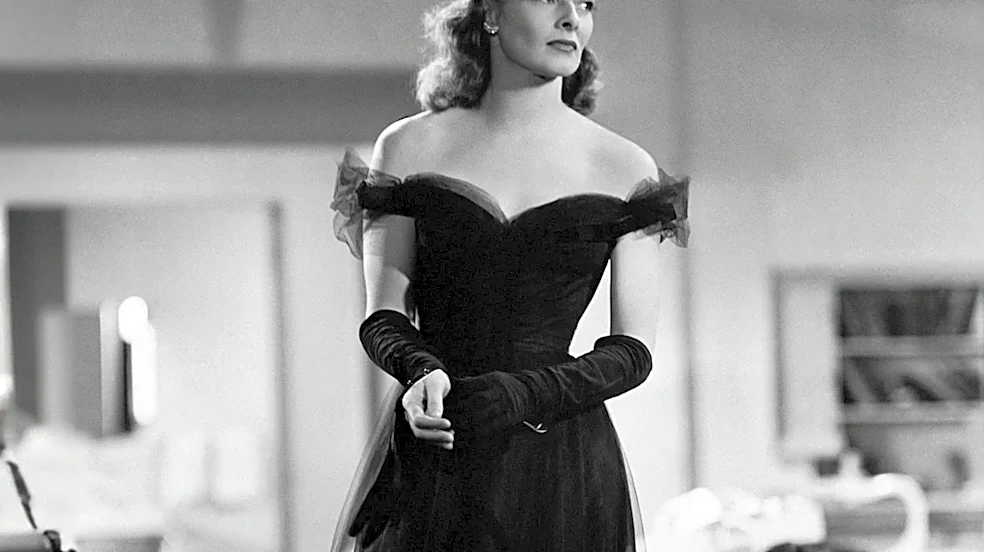
fatalities in a high-rise, prompting two rival reporters to investigate. The review highlights the film's 'lots of thrills' and funny banter, particularly between the dueling journalists Pat (Ginger Rogers) and Ted (Lyle Talbot). While acknowledging the stereotypical portrayal of a Black maid by Louise Beavers, the review notes the historical context of limited roles for Black actors. The film is praised for its visual appeal, especially Ginger Rogers' costumes, and its ability to deliver a touch of chill without being outright horror, making it suitable for those who prefer milder suspense.
Why It's Important?
The review of 'Shriek in the Night' contributes to the ongoing appreciation and re-evaluation of classic cinema, particularly pre-Code Hollywood films. For film enthusiasts and historians in the U.S., such analyses provide context on early genre development, acting styles, and societal norms reflected in movies of the era. The discussion of stereotypical portrayals, like that of Louise Beavers' character, is crucial for understanding the historical challenges faced by minority actors and the evolution of representation in film. Furthermore, highlighting films like this helps preserve cinematic heritage and offers insights into the foundational elements that shaped later crime thrillers and romantic comedies, influencing contemporary filmmaking and storytelling.
What's Next?
As part of the #31in31 series, Atomic Fangirl will likely continue reviewing other genre films throughout the month, contributing to a broader discussion of horror and thriller cinema. The review of 'Shriek in the Night' may encourage readers to seek out this particular film or other pre-Code thrillers, fostering renewed interest in classic cinema. For film studies and historical preservation, such reviews help keep these older works relevant and accessible to new audiences, potentially leading to more academic discussions or digital restorations. The ongoing critical engagement with historical films ensures that their artistic and cultural significance is not lost over time.
Beyond the Headlines
The review of 'Shriek in the Night' subtly touches upon the evolution of gender roles and societal expectations as depicted in early cinema. While praising Ginger Rogers' performance and costumes, it notes the 'stomach turning' finale where a wife's place is relegated to the home, reflecting the patriarchal norms of the 1930s. This contrast between a strong female lead and a conventional ending offers a valuable lens through which to examine societal progress and the changing portrayal of women in film. It underscores how even seemingly lighthearted thrillers can serve as historical documents, revealing the cultural values and limitations of their time, and prompting reflection on how far society and cinema have advanced in terms of gender equality and representation.