





What's Happening?
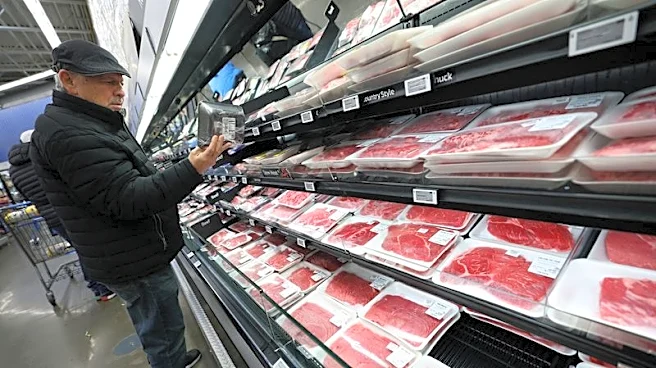
The Justice Department has broadened its investigation into beef affordability, now including eight major grocery retailers. This expansion moves federal scrutiny beyond meatpackers to encompass the retail segment of the beef supply chain. The Antitrust
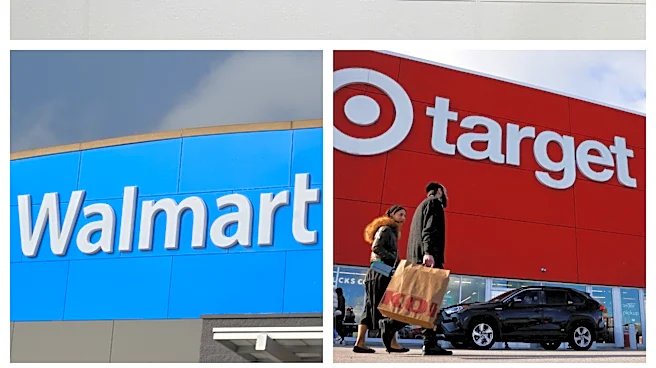
Division has sent letters to Kroger, Publix, Walmart, Albertsons, Aldi, Ahold Delhaize, Costco, and Amazon. The inquiry aims to understand the recent increases in retail beef prices and the factors contributing to their development. These letters reportedly request records dating back to 2020, covering aspects such as beef prices, wholesale purchases, operating costs, profit margins, pricing strategies, and purchasing arrangements with meatpackers. Investigators are also seeking explanations for changes in retailer margins and costs. This action follows an earlier Justice Department investigation that focused on major beef processors. Currently, no wrongdoing has been established against any of the retailers involved in this expanded probe.
Why It's Important?
This expanded investigation is significant as it signals a deeper federal interest in the entire beef supply chain, from production to consumer purchase. By scrutinizing major grocery retailers, the Justice Department is examining whether pricing practices at the retail level contribute to high beef prices, potentially impacting consumer affordability. For cattle producers, this probe could offer greater transparency into how value and profit margins are distributed across the supply chain, from livestock markets through packing plants to grocery store shelves. The involvement of such prominent retailers indicates the broad scope of the inquiry and its potential to influence pricing strategies and competitive practices within the U.S. grocery sector. The outcome could lead to policy recommendations or enforcement actions aimed at ensuring fair competition and pricing in the beef market, affecting both consumers and businesses.
What's Next?
The immediate next step involves the targeted grocery retailers responding to the Justice Department's requests for extensive financial and operational records. Investigators will analyze the submitted data to identify any patterns or practices that might suggest anti-competitive behavior or price manipulation. Depending on the findings, the Justice Department could pursue further actions, which might include formal investigations, subpoenas, or even legal proceedings if evidence of wrongdoing is uncovered. Major stakeholders, including the involved retailers, consumer advocacy groups, and agricultural associations, will likely monitor the investigation closely. Retailers may need to review their pricing and purchasing strategies, while consumer groups might advocate for greater transparency and accountability in food pricing. The investigation's progression could also influence future regulatory approaches to food supply chain oversight.
Beyond the Headlines
This investigation delves into the complex dynamics of food pricing and market power within the U.S. economy. Beyond immediate price concerns, it touches upon broader issues of market concentration in the grocery sector and the potential for dominant players to influence consumer costs. The probe could highlight ethical considerations regarding corporate responsibility in maintaining affordable food prices, especially for essential goods like beef. Legally, it tests the boundaries of antitrust enforcement in a sector critical to everyday household budgets. Culturally, persistent high food prices can fuel public discontent and calls for government intervention, reflecting a societal expectation for fair and accessible food. The long-term implications could include increased regulatory scrutiny of large retailers, potential shifts in supply chain relationships, and a renewed focus on competitive practices across the food industry, potentially leading to structural changes in how food is priced and distributed in the U.S.