






What's Happening?
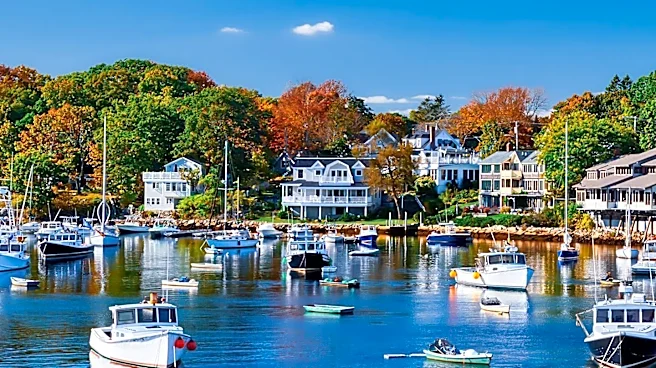
Provincetown, located at the tip of Cape Cod, Massachusetts, has become a luxury real estate market where nearly three-quarters of listings exceed $1 million. Realtor.com senior economist Anthony Smith notes that the town is geographically limited, being
hemmed in by water on three sides and having only 18% of its area zoned for residential use, with 79% under conservation. This scarcity of land makes new construction effectively impossible, driving up prices. The median listing price in Provincetown is $1,565,000, with a median price per square foot of $1,480, significantly higher than other areas in Barnstable County. Buyers are drawn to Provincetown not just for investment, but for its unique community, artistic heritage, and LGBTQ+ friendly environment.
Why It's Important?
The real estate situation in Provincetown is important as it exemplifies the challenges and consequences of limited supply in highly desirable U.S. coastal markets. The extreme pricing, where even entry-level luxury starts at nearly $3.5 million, makes the town increasingly inaccessible for many, including artists and younger LGBTQ+ residents who have historically contributed to its unique character. This trend can lead to a loss of cultural diversity and community identity as original residents are priced out. Economically, while high property values benefit existing homeowners and the local tax base, they also create barriers for new businesses and residents, potentially stifling organic growth and innovation. The market's reliance on a regional buyer pool with specific motivations beyond commuting distance highlights a niche but significant segment of the U.S. luxury housing market.
What's Next?
The future of Provincetown's real estate market will likely continue to be characterized by high prices and limited inventory. While new builds are scarce, redevelopment and small-scale infill projects, though expensive, may continue. The town is making efforts to create more affordable housing options, such as the Province Post Apartments, to address the issue of artists and lower-income residents being priced out. However, the long-term effectiveness of these initiatives against the backdrop of soaring luxury prices remains to be seen. The character and heritage of Provincetown are at risk, as evidenced by the displacement of Portuguese families who have historically been part of the community. The market will continue to attract buyers seeking its unique community and lifestyle, but the demographic and cultural landscape may evolve further.
Beyond the Headlines
Beyond the immediate market dynamics, Provincetown's real estate trends highlight a broader societal issue: the tension between preserving cultural heritage and accommodating economic growth in desirable locations. The town's identity as a world-class artist colony and LGBTQ+ landmark is intrinsically linked to its accessibility for a diverse population. As prices escalate, the ability of artists and other community members to afford living there diminishes, threatening the very essence that makes Provincetown unique. This situation raises ethical questions about equitable access to housing and the long-term sustainability of communities that become exclusive luxury enclaves. The challenge for Provincetown, and similar communities, is to find innovative solutions that allow for economic prosperity without sacrificing the cultural and social diversity that defines them.