

What's Happening?
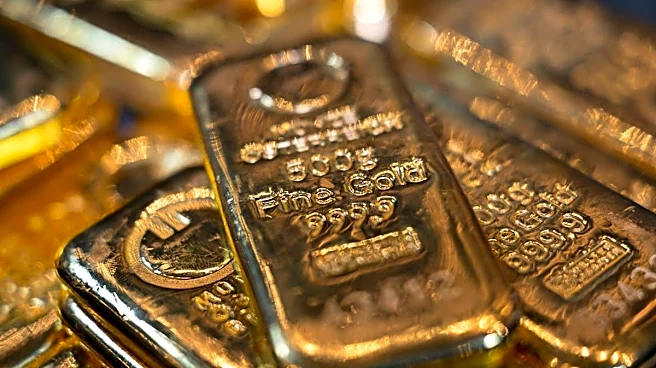
Analysts predict an 'explosive' rise in gold prices, driven by Beijing's continuous gold hoarding and Hong Kong's efforts to enhance its trading hub status. Beijing has been increasing its gold reserves for 20 consecutive months and aims to strengthen
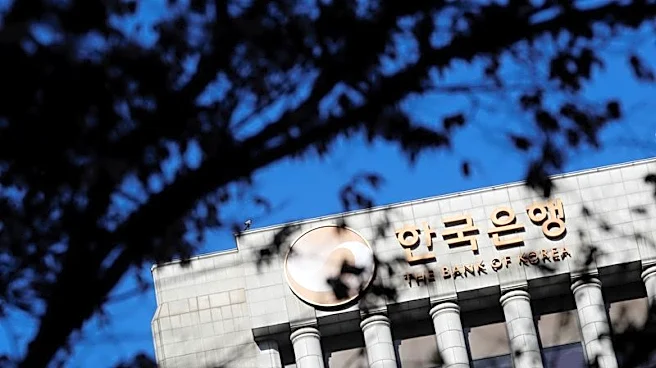
the connection between the Shanghai Gold Exchange and Hong Kong. Additionally, the South Korean central bank plans to purchase gold for the first time in 13 years. Deutsche Bank forecasts gold prices to reach $4,700 per ounce by the end of the year, with State Street Investment Management suggesting a potential rise to $5,000 per ounce by early 2027.
Why It's Important?
The anticipated surge in gold prices could have significant implications for global financial markets and investors. As central banks in Asia continue to stockpile gold, the demand for the precious metal is expected to rise, potentially leading to increased market volatility. The strengthening of the Shanghai Gold Exchange's ties with Hong Kong could enhance the region's status as a major trading hub, attracting more international investors. This development may also influence global gold trading patterns and impact the strategies of financial institutions and investors worldwide.
What's Next?
The continued accumulation of gold by central banks, particularly in Asia, is likely to sustain the upward pressure on gold prices. Financial markets may experience increased activity as investors seek to capitalize on the rising prices. The collaboration between the Shanghai Gold Exchange and Hong Kong is expected to progress, potentially leading to new trading opportunities and increased cross-border investments. Market participants will be closely monitoring these developments to adjust their investment strategies accordingly.