




What's Happening?
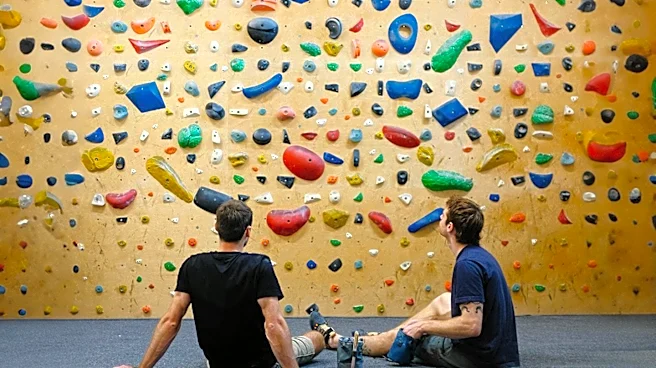
Bouldering, a form of rock climbing performed on low walls without ropes, is experiencing a surge in popularity in Westchester, New York. This sport, which utilizes padded mats for safety, involves climbers attempting short sequences of moves known as
'problems' that demand both strength and strategic thinking. Miri Dainson, Director at Movement Gym Valhalla, notes a significant increase in participation, particularly among women inspired by Dierdre Wolownick's record-breaking climb of El Capitan at age 66. Beyond this demographic, Generation Z and Millennials are also increasingly drawn to climbing gyms for both the physical activity and the social environment. Bouldering's communal culture, where participants gather to watch, rest, and encourage each other, distinguishes it from traditional rope climbing. The sport is recognized for its ability to develop upper body strength and is believed to offer cognitive benefits. Gyms like Movement Gym Valhalla and The Rock Club in New Rochelle are offering introductory classes and trial memberships to accommodate the growing interest.
Why It's Important?
The growing popularity of bouldering in Westchester reflects a broader trend in fitness and leisure activities, highlighting a shift towards sports that offer both physical challenge and social engagement. This trend is significant for the fitness industry, as climbing gyms are becoming community hubs that attract a diverse clientele, including older adults, younger generations, and those seeking alternatives to traditional workouts. The sport's accessibility, requiring less equipment than rope climbing, lowers the barrier to entry for newcomers. Furthermore, the emphasis on problem-solving and strategic thinking in bouldering suggests a demand for activities that engage both the body and mind, potentially influencing how fitness programs are designed and marketed. The communal aspect fosters a supportive environment, which can contribute to sustained participation and overall well-being, contrasting with more solitary fitness pursuits. This growth also indicates a potential economic boost for local businesses providing climbing facilities and related gear.
What's Next?
The continued growth of bouldering in Westchester is likely to lead to several developments. Climbing gyms may expand their facilities or introduce more specialized programs to cater to the increasing demand and diverse skill levels. We can anticipate more introductory classes and trial memberships being offered to attract new participants, as well as advanced workshops for experienced climbers. The social aspect of bouldering suggests that gyms might host more community events, competitions, and social gatherings to further engage their members. As the sport gains traction, there could be an increase in local bouldering leagues or clubs, fostering a more organized community. Additionally, the success of bouldering may inspire other niche sports to adopt similar community-focused approaches to attract and retain participants. The trend could also lead to increased investment in climbing infrastructure and related retail, further solidifying bouldering's place in the local fitness landscape.
Beyond the Headlines
The rise of bouldering in Westchester points to deeper societal shifts in how individuals approach physical activity and community. The sport's appeal to a wide age range, from Gen Z to older adults, challenges traditional notions of who participates in 'extreme' sports, highlighting a growing desire for accessible yet challenging physical pursuits across all demographics. The emphasis on problem-solving and mental engagement within bouldering suggests a move beyond purely physical exercise towards activities that offer holistic benefits, including cognitive stimulation and stress relief. Furthermore, the strong communal aspect of bouldering fosters a sense of belonging and mutual support, which can be particularly valuable in an increasingly individualized society. This trend may also reflect a broader cultural appreciation for outdoor-inspired activities, even when performed indoors, as people seek ways to connect with physical challenges and build camaraderie in a structured environment. The sport's growth could influence urban planning, with more mixed-use developments potentially incorporating climbing facilities as community amenities.