


What's Happening?
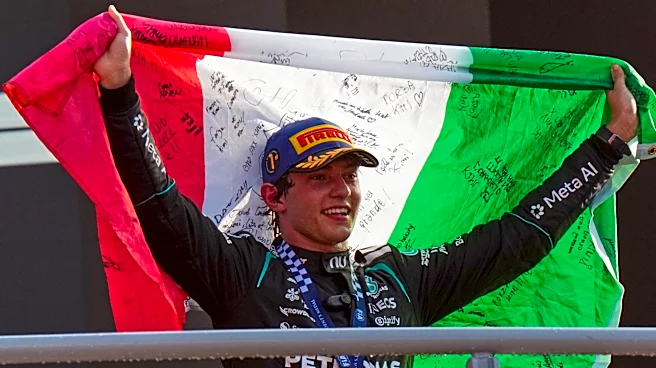
Kimi Antonelli, a prominent figure in the 2026 racing season, discussed his performance and identified key mistakes during a post-race press conference at the United States Grand Prix. Antonelli specifically cited incidents in Melbourne, Suzuka, and Miami
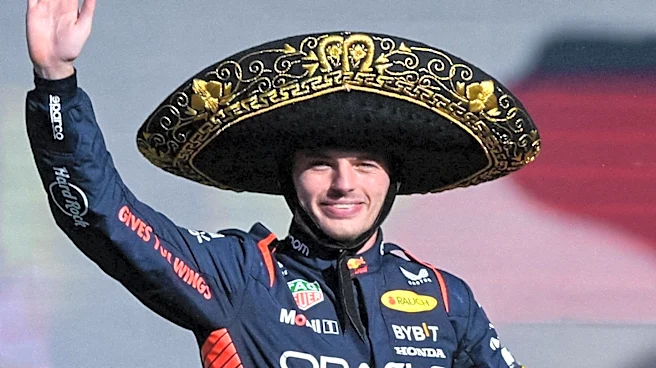
as his low points. In Melbourne, he crashed during FP3 after taking too much of the exit kerb at Turn 2, causing a red flag and requiring urgent car repairs by Mercedes before qualifying. In Japan, he admitted to a poor start execution, dropping from pole to sixth, though he eventually won due to a timely Safety Car. The Miami sprint race saw him lose points due to track limit infringements, a recurring issue for him throughout the season. Max Verstappen, sitting alongside Antonelli, lightheartedly teased him about his single track limit infringement during the US Grand Prix, to which Antonelli responded positively, acknowledging the need for improvement in his mindset during certain qualifying sessions and races.
Why It's Important?
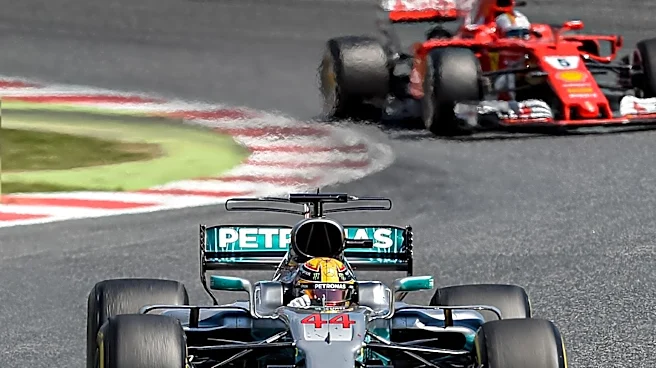
Antonelli's self-assessment highlights the critical role of precision and mental fortitude in high-stakes motorsport. His recurring issues with track limits, which have led to penalties and lost points in multiple races including Miami, Barcelona, and Silverstone, underscore how minor errors can significantly impact championship standings. For emerging talents like Antonelli, understanding and rectifying these mistakes is crucial for long-term success and consistency at the elite level of racing. The interaction with Max Verstappen, a seasoned champion, also provides insight into the competitive yet often collegial atmosphere among top drivers, where even critiques can be delivered with a degree of camaraderie. This focus on self-improvement and learning from errors is a fundamental aspect of professional sports, influencing not only individual careers but also team strategies and performance optimization.
What's Next?
As Antonelli continues his 2026 season, the focus will likely be on his ability to minimize track limit violations and maintain a consistent mindset, particularly in crucial qualifying sessions. His performance in upcoming races, especially in high-pressure situations like the Mexico City Grand Prix, will be closely watched to see if he has addressed these identified weaknesses. The accumulation of penalties for track limits has already cost him valuable points, and any further infringements could jeopardize his championship aspirations. Teams and strategists will undoubtedly be working with him to refine his approach to track limits and mental preparation. His ability to adapt and overcome these challenges will be a key indicator of his potential to secure future titles and maintain a top-tier position in the sport.
Beyond the Headlines
Antonelli's candid discussion about his mistakes offers a glimpse into the immense pressure and exacting standards of professional racing. Beyond the immediate points lost, repeated infringements like track limits can affect a driver's reputation, team confidence, and future contract negotiations. It also highlights the evolving nature of race officiating, where technology plays an increasingly significant role in monitoring and penalizing even slight deviations from track boundaries. This constant scrutiny demands not just physical skill but also exceptional mental discipline and adaptability from drivers. The public acknowledgment of weaknesses, even when teased by competitors, can also be a powerful tool for growth, fostering a culture of continuous improvement within the sport and demonstrating the human element behind the high-speed spectacle.