







What's Happening?
Consumer data is increasingly being recognized as a highly valuable asset during company insolvencies, with firms actively seeking to acquire customer information such as names, contact details, account information, and transaction histories. This trend
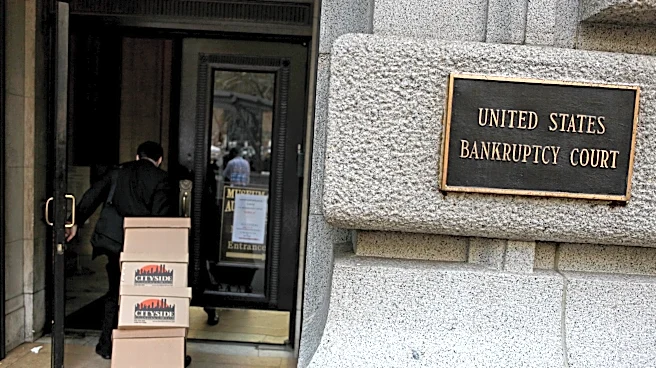
is highlighted by recent cases, including the sale of Toys 'R' Us Canada's branding and consumer data to an affiliate of Ad Populum. While customers are often notified after the fact, experts note that the transparency around these data transfers is less robust in Canada compared to the U.S. In the U.S., there has been greater awareness and intervention from consumer groups and attorneys general regarding the sale of data from insolvent companies. Notable U.S. examples include Google's reported offer for Spirit Airlines' data to train AI systems and the attempted sale of 23andMe's genetic data during its bankruptcy, which faced opposition from multiple states and the District of Columbia.
Why It's Important?
The growing practice of selling consumer data during insolvencies has significant implications for U.S. consumers and businesses. For companies, acquiring existing customer bases through data purchases can provide a substantial advantage, eliminating the need to build consumer relationships from scratch and facilitating smoother transitions for revamped businesses. However, for consumers, this trend raises privacy concerns, as their personal information, including sensitive genetic data, can be transferred to new entities without their explicit, informed consent at the time of collection. The interventions by U.S. consumer groups and attorneys general in cases like 23andMe underscore a growing recognition of the sensitivity and potential misuse of such data, particularly when it involves information that cannot be changed, like genetic profiles. This shift highlights a potential power imbalance where companies profit from data that consumers may not realize is up for sale.
What's Next?
As consumer data continues to be a lucrative asset in insolvencies, increased scrutiny and potential regulatory actions are likely in the U.S. The pushback from states and consumer groups in cases like 23andMe suggests a growing demand for stronger consumer protections and greater transparency regarding data transfers during bankruptcy proceedings. Policymakers may consider implementing stricter regulations that require more explicit consent from consumers before their data can be sold or transferred, especially for highly sensitive information. Companies involved in acquisitions of insolvent businesses will likely face increased pressure to clearly communicate their data usage policies to affected consumers and provide accessible mechanisms for data deletion requests. The ongoing debate around data privacy and corporate responsibility will likely intensify, potentially leading to new legal precedents or industry standards.
Beyond the Headlines
The increasing commodification of consumer data in insolvency proceedings touches upon fundamental ethical and legal questions regarding data ownership and privacy rights. The cases of Spirit Airlines' data being sought for AI training and 23andMe's genetic data sale highlight the evolving value and potential uses of personal information beyond traditional marketing. This trend could lead to a re-evaluation of what constitutes 'personal information' and how it should be protected, particularly in contexts where the original consent for data use may not cover subsequent transfers to unrelated entities. The lack of transparency in some jurisdictions, compared to the U.S., also points to a global disparity in data protection frameworks. Ultimately, this development could trigger broader societal discussions about individual control over personal data in an increasingly data-driven economy, prompting consumers to be more cautious about the information they share and companies to be more accountable for its stewardship.