





What's Happening?
Uranium stocks, specifically Cameco and Uranium Energy, are positioned for significant growth as over 33 nations committed at COP30 to triple global nuclear energy capacity by 2050. This expansion is driven by increasing energy needs and decarbonization
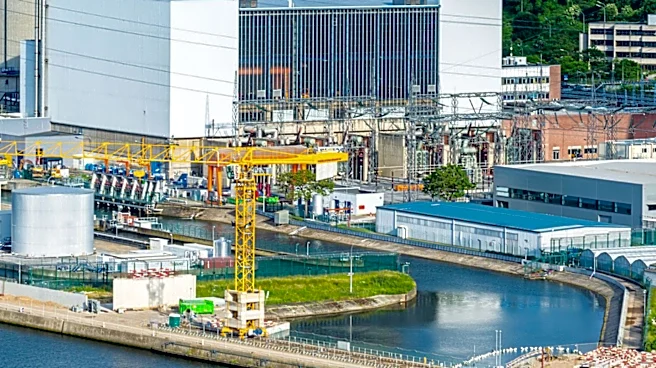
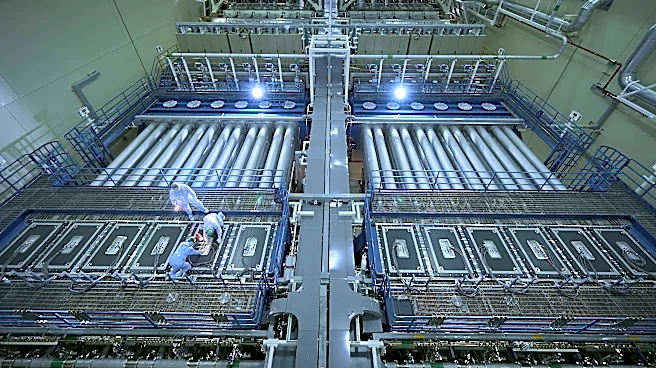
goals, with nuclear power offering 24/7 baseload power that intermittent renewables cannot consistently provide. Cameco, a major global uranium fuel provider, focuses on long-term contracts and holds a 49% stake in Westinghouse Electric, a key nuclear hardware supplier. Uranium Energy, a U.S.-based miner, offers greater exposure to rising spot uranium prices due to its unhedged position and is working to become a fully integrated nuclear fuel producer by the 2030s, addressing a bottleneck in uranium conversion. Both companies are critical players in the nuclear fuel cycle, from mining and processing to refining and conversion for reactor use.
Why It's Important?
The global commitment to expanding nuclear energy capacity has significant implications for the U.S. energy sector and its strategic independence. Increased demand for uranium will likely boost the U.S. domestic uranium mining industry, reducing reliance on foreign sources and enhancing energy security. Companies like Uranium Energy, by focusing on U.S. production and integration, contribute to this goal. The expansion of nuclear power also supports U.S. decarbonization efforts, providing a reliable, carbon-free energy source to complement renewables. This trend could lead to job creation in the nuclear industry, stimulate technological innovation in reactor design and fuel processing, and attract investment into related sectors. However, the volatility of uranium prices, as noted for Uranium Energy, presents a risk for investors, and the long lead times for nuclear plant construction mean that the full economic impact will unfold over decades.
What's Next?
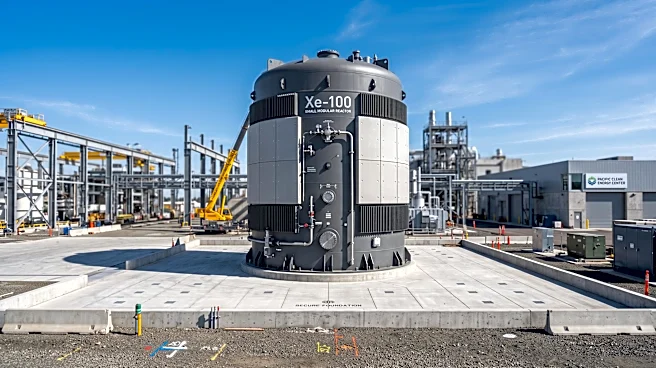
The coming decades will see continued investment and development in nuclear energy infrastructure globally, including in the U.S. Uranium mining and processing companies will likely scale up operations to meet the projected demand. The focus will also be on resolving bottlenecks in the nuclear fuel cycle, such as uranium conversion, to ensure a stable supply chain. Policymakers will need to support this expansion through favorable regulations, funding for research and development, and international cooperation on nuclear safety and waste management. The performance of uranium stocks will be closely tied to the progress of these global nuclear energy initiatives and the stability of uranium prices. Furthermore, advancements in reactor technology, including small modular reactors (SMRs) and advanced fission systems, will play a crucial role in shaping the future landscape of nuclear power.
Beyond the Headlines
The resurgence of nuclear power signifies a broader shift in global energy strategy, moving beyond a sole reliance on renewables for decarbonization. This acknowledges the critical need for consistent, high-capacity baseload power to support modern industrial and digital economies. The emphasis on nuclear energy also brings renewed attention to the challenges of nuclear waste disposal, safety protocols, and non-proliferation, which will require innovative solutions and robust international governance. For the U.S., this could mean a re-evaluation of its nuclear energy policy, potentially leading to increased public and private investment in a sector that has faced significant headwinds in recent decades. The long-term implications extend to geopolitical dynamics, as countries vie for leadership in nuclear technology and secure access to uranium resources, potentially reshaping international alliances and trade relationships.