







What's Happening?
Amazon has announced its support for a proposed 960-megawatt nuclear power facility in Indiana, which could house 12 small modular reactors (SMRs) at the site of a former coal-fired power plant. The company has entered into an agreement with American
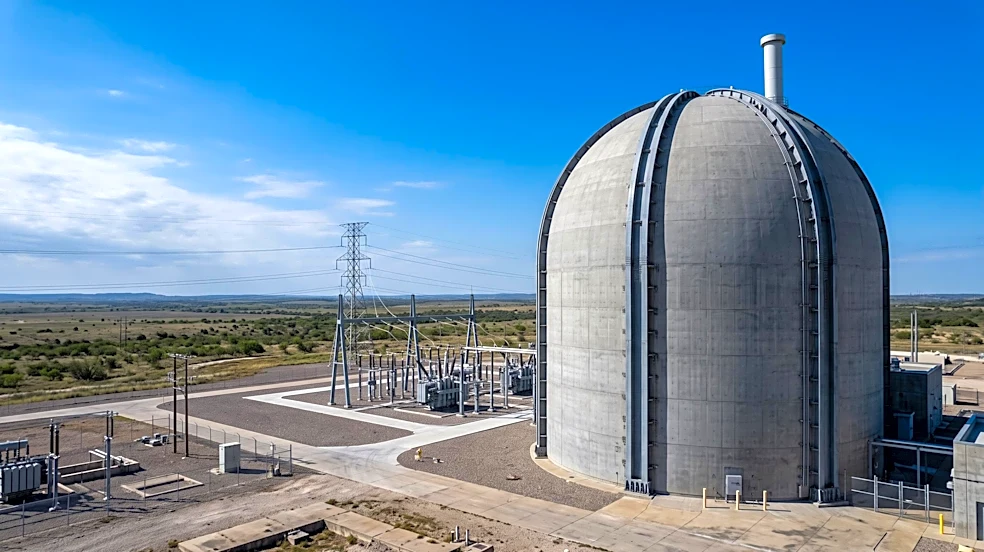
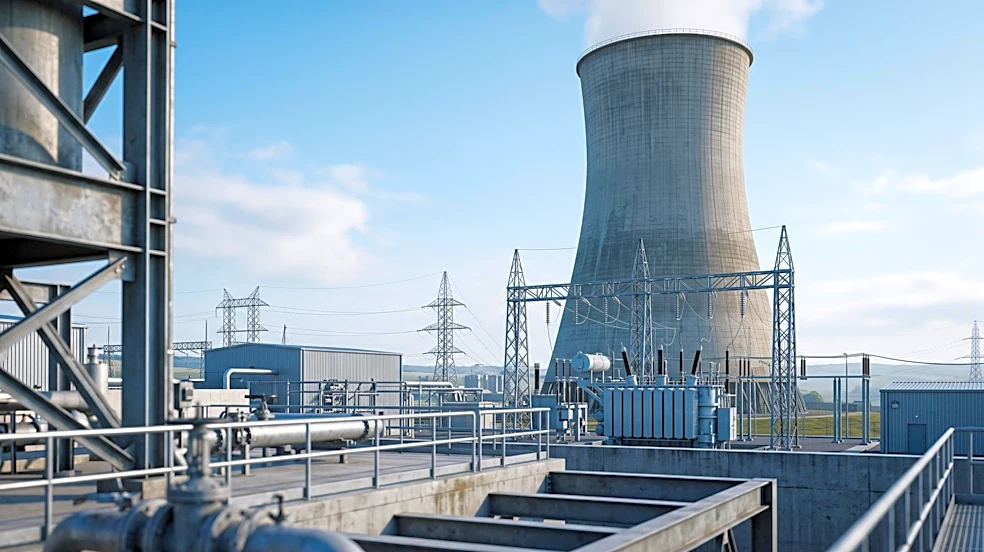
Electric Power (AEP) and nuclear technology developer X-energy to assess the project's feasibility. If constructed, the facility would supply electricity to the regional grid and Amazon’s data centers. The proposed plant would utilize 12 of X-energy’s Xe-100 reactors, each designed to generate 80 MW of electricity. Amazon plans to provide development funding and become the facility’s first electricity customer. The project is currently in the evaluation stage, with no confirmed construction schedule or operational date. The companies are considering the former Breed Generating Station site in Sullivan County, Indiana, aiming to reuse an existing power generation site. This initiative is part of a broader collaboration between Amazon and X-energy, targeting over 5 gigawatts of new U.S. nuclear capacity by 2039.
Why It's Important?
This initiative is significant for several reasons, primarily addressing the increasing electricity demand across the United States, driven by expanding data centers, manufacturing, and electrification. Amazon's involvement highlights a growing trend of major corporations investing in clean energy solutions to power their operations and contribute to grid stability. The project's potential location at a former coal-fired plant site in Indiana demonstrates a strategic move towards repurposing existing energy infrastructure, which could accelerate the transition from fossil fuels to nuclear power. The use of small modular reactors (SMRs) like X-energy’s Xe-100 is crucial, as SMRs are designed for enhanced safety, flexibility, and potentially lower construction costs compared to traditional large-scale nuclear plants. This development could create over 1,000 construction jobs and more than 100 permanent positions, providing economic benefits to the region. Furthermore, the project's success could serve as a model for future nuclear energy developments in the U.S., influencing energy policy and investment in advanced nuclear technologies.
What's Next?
The immediate next step for the project involves a comprehensive feasibility assessment by Amazon, AEP, and X-energy. This evaluation will determine the viability of constructing the 12-reactor facility at the former Breed Generating Station site in Sullivan County, Indiana. Should the assessment prove favorable, the companies will proceed with securing necessary regulatory approvals and permits from the U.S. Nuclear Regulatory Commission. X-energy's ability to successfully deliver its first power plant at a Dow Chemical plant in Texas, which is currently in the final phases of regulatory review, will be a critical factor influencing the Indiana project's timeline and investor confidence. The aggressive timeline set by Amazon and X-energy to build 5 gigawatts of new nuclear generating capacity by 2039 suggests a rapid progression if initial hurdles are cleared. Potential reactions from stakeholders will include environmental groups, local communities, and energy policy makers, all of whom will closely monitor the project's development and its implications for energy security and environmental sustainability.
Beyond the Headlines
This project represents a deeper shift in how large technology companies are approaching their energy needs and environmental commitments. Amazon's direct investment and commitment to be the first electricity customer for a nuclear plant signal a growing corporate appetite for reliable, carbon-free power sources beyond traditional renewables like solar and wind, which are intermittent. The choice of small modular reactors (SMRs) is particularly noteworthy, as it reflects a broader industry bet on SMRs to revitalize the nuclear sector, which has faced challenges with cost overruns and lengthy construction times for larger plants. The inherent safety characteristics of X-energy’s Xe-100 reactors, utilizing TRISO fuel and helium cooling, could address public concerns about nuclear safety and waste management. Furthermore, repurposing a former coal plant site for nuclear energy could set a precedent for transitioning fossil fuel-dependent regions into hubs for advanced clean energy, offering a pathway for economic diversification and job creation in communities historically reliant on coal. This move could also influence national energy policy, encouraging more investment in advanced nuclear technologies as a critical component of the U.S. energy mix.