






What's Happening?
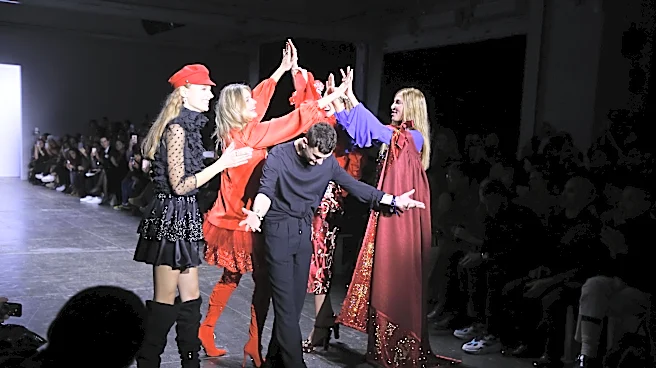
Stephen Manzini, Founder and CEO of Soweto Fashion Week (SFW), discussed the future of African fashion, emphasizing the importance of diversity, individuality, and global relevance for the Spring/Summer 2026 season. Manzini highlighted that South African fashion is not
monolithic, encompassing various styles from streetwear to couture, and that designers should have the freedom to interpret their identities without limitations. He stressed that the distinctiveness of South African fashion lies in the perspectives, experiences, and stories of its creators, rather than specific fabrics or prints. SFW aims to bridge fashion education with the commercial industry, providing platforms for emerging talent and students from institutions like the University of Johannesburg and Tshwane University of Technology. The organization is also focused on translating international recognition into sustainable economic opportunities for local designers through global partnerships, including engagements with the BRICS Fashion Summit and Moscow Fashion Week. Manzini believes in exporting businesses, not just creativity, to ensure long-term development of the South African fashion industry.
Why It's Important?
Soweto Fashion Week's approach under Stephen Manzini is crucial for the global fashion landscape as it champions authentic representation and economic empowerment within the African fashion industry. By fostering diverse creative expressions and providing structured opportunities for emerging designers, SFW is actively shaping a more inclusive and dynamic international fashion scene. This initiative challenges traditional perceptions of African fashion, promoting a broader understanding of its sophistication and versatility beyond stereotypical cultural references. The focus on building sustainable businesses and creating pathways from education to industry helps to professionalize and strengthen the local creative economy. For U.S. and international markets, this means potential access to a richer array of design talent and unique cultural narratives, fostering cross-cultural exchange and new market opportunities. The emphasis on economic participation over mere exposure could also serve as a model for other developing fashion ecosystems seeking to establish a significant global footprint.
What's Next?
Soweto Fashion Week plans to continue strengthening its international partnerships and expanding opportunities for South African designers to access global markets, buyers, and distribution channels. The organization aims to move beyond showcasing collections to facilitating concrete economic participation, such as securing retail partnerships and collaborations. SFW will further develop its talent development pathways, encouraging emerging designers to progress into established roles within the industry. There will be continued efforts to integrate fashion education with commercial realities, ensuring students gain practical industry experience and build professional relationships before graduation. Manzini also intends to advocate for greater investment from government, the private sector, and the retail industry to support local manufacturing capacity and provide South African brands with fair opportunities in the retail environment. The long-term vision is for Soweto Fashion Week to evolve into an institution that contributes to the entire fashion value chain, fostering a sustainable and globally competitive South African fashion industry.
Beyond the Headlines
The work of Soweto Fashion Week under Stephen Manzini extends beyond mere fashion shows; it represents a significant cultural and economic movement. By prioritizing authentic storytelling and diverse interpretations of identity, SFW is contributing to a broader global dialogue about cultural representation and decolonization within the arts. The emphasis on economic empowerment and building sustainable businesses addresses systemic inequalities often faced by creative industries in developing regions. This approach challenges the traditional power dynamics of the global fashion industry, advocating for a more equitable distribution of opportunities and recognition. Ethically, SFW promotes fair representation and supports local communities by creating jobs for various professionals behind the scenes, from photographers to seamstresses. This model could inspire other cultural initiatives worldwide to leverage creative platforms not just for artistic expression, but also as powerful engines for socio-economic development and cultural preservation, fostering a more inclusive and respectful global creative economy.