



What's Happening?
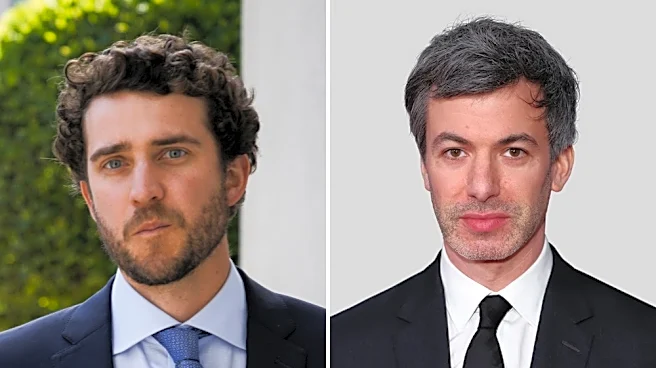
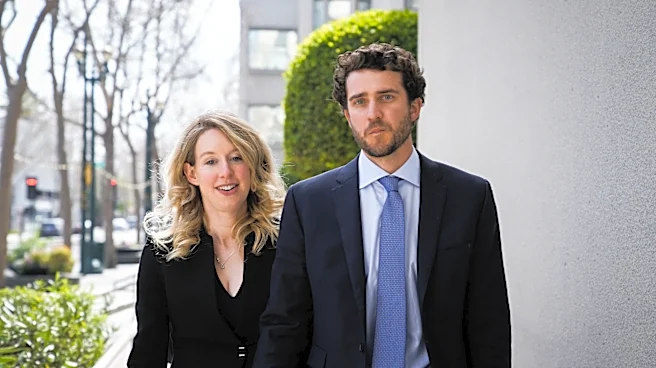
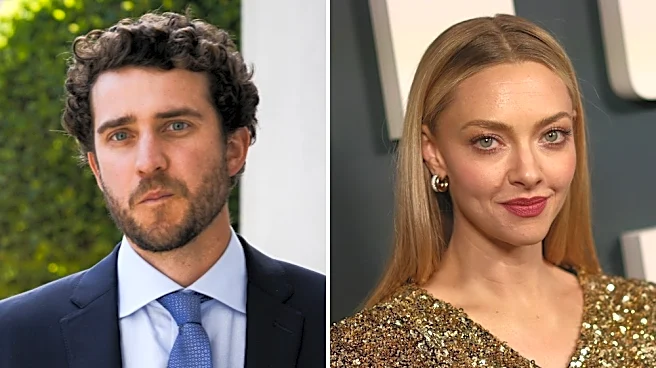
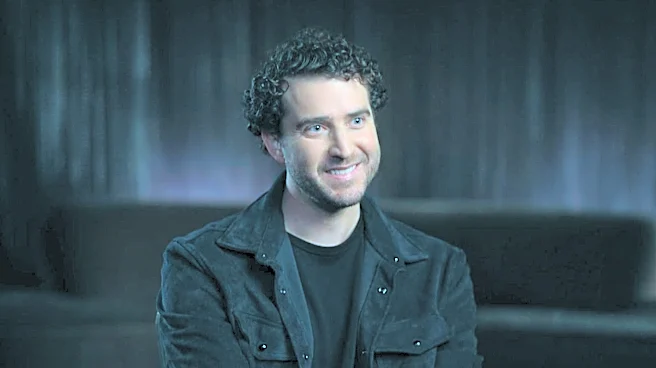
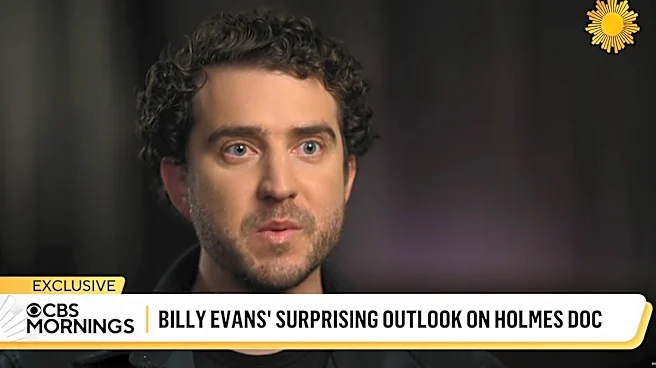
Billy Evans, a key figure in the documentary 'You Can See Everything,' has clarified the nature of the relationship between director Nathan Fielder and Theranos founder Elizabeth Holmes during the filming of the A24 documentary. In his first interview
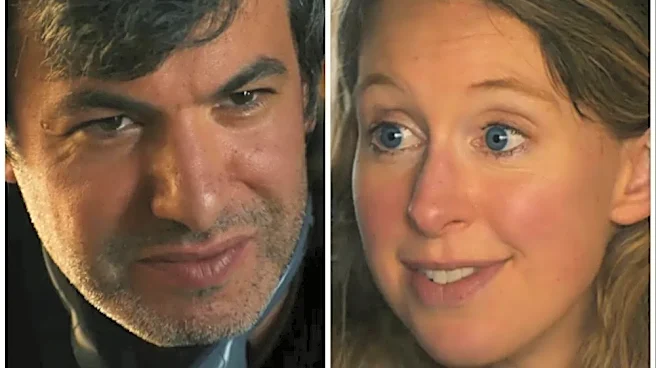
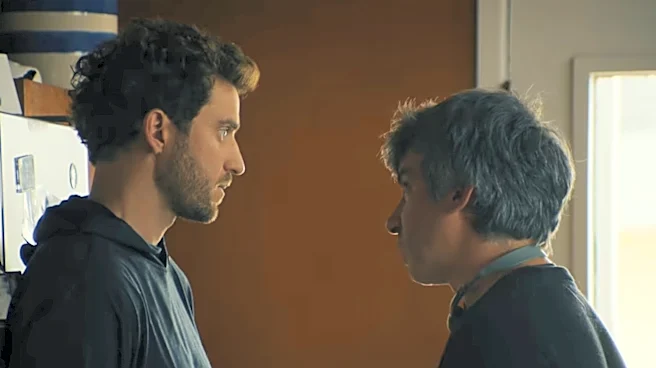
since the film's release, Evans addressed speculation that Fielder was 'infatuated' with Holmes. According to Evans, Fielder's interest in Holmes was not romantic but rather a deep care for her, stating, 'I didn’t get the impression for one minute that it was romantic. I think he cares a lot about her.' Evans also debunked the interpretation of a scene showing Fielder and Holmes 'frolicking in the water,' explaining that he was present and only five feet away when the shot was taken. He suggested that the film intentionally plays up certain aspects to critique Fielder's own biases and explore themes of trust and clarity.
Why It's Important?
This clarification is important for understanding the narrative and artistic intent behind 'You Can See Everything.' Speculation about the nature of Fielder's relationship with Elizabeth Holmes could significantly influence audience perception of the documentary's objectivity and its portrayal of a controversial public figure. By addressing these rumors, Evans helps to reframe the discussion around the film, emphasizing its exploration of bias and the elusive nature of truth, rather than focusing on a potentially misleading romantic subplot. This impacts how critics and viewers interpret the film's message about media, perception, and the human element in storytelling, especially concerning figures like Holmes who have been subject to intense public scrutiny. The film's success and critical reception could hinge on how effectively it navigates these perceptions.
What's Next?
Following Evans's interview, it is likely that discussions surrounding 'You Can See Everything' will shift to focus more on its thematic elements, such as the critique of media bias and the complexities of truth, as intended by the filmmakers. The clarification may encourage a deeper analysis of Fielder's directorial choices and the film's meta-narrative structure. Future reviews and academic discussions of the documentary may incorporate Evans's insights, potentially leading to a more nuanced understanding of the film's artistic and journalistic contributions. The ongoing public interest in Elizabeth Holmes and the Theranos scandal ensures continued scrutiny of any media representation, making such clarifications crucial for shaping public discourse.
Beyond the Headlines
The controversy surrounding Nathan Fielder's perceived 'infatuation' with Elizabeth Holmes highlights a broader ethical and artistic challenge in documentary filmmaking, particularly when dealing with subjects who are public figures or involved in high-profile scandals. The line between journalistic objectivity and artistic interpretation can become blurred, leading to audience speculation about the filmmaker's personal involvement or biases. This situation underscores the power of narrative construction and the responsibility of filmmakers to manage audience perceptions, especially when their work touches on sensitive or legally charged topics. It also raises questions about the impact of a filmmaker's persona on the reception of their work and how personal engagement can be both a tool for deeper insight and a potential source of misinterpretation.