







What's Happening?
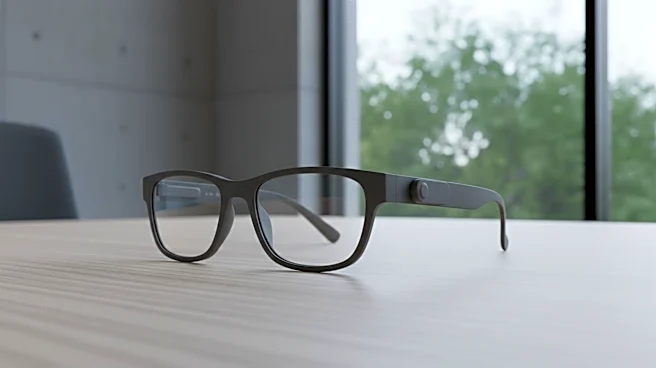
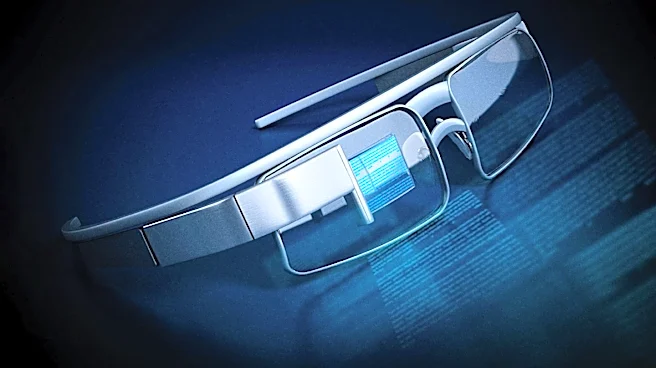
Smart glasses, such as Meta's Ray-Bans, are becoming increasingly popular, with over 7 million pairs sold in 2025. These devices, which can discreetly capture photos and videos, are raising significant privacy concerns. The glasses often resemble regular
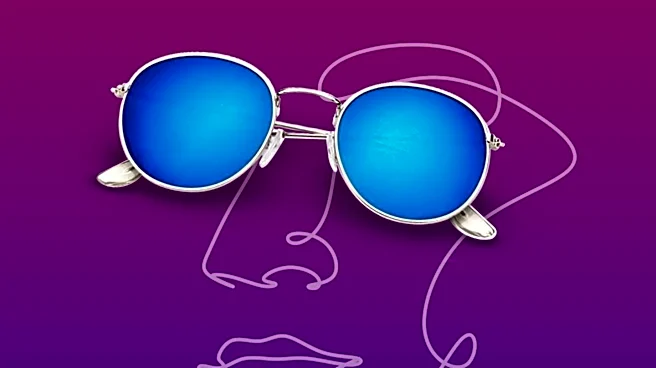
eyewear, making it difficult for the public to recognize when they are being recorded. This has led to instances where individuals are filmed without their consent, with the footage sometimes being uploaded to social media. The potential for misuse is heightened by the possibility of integrating facial recognition technology into these devices, a feature Meta is reportedly considering. The lack of public awareness about smart glasses and their capabilities exacerbates the issue, as many people are unaware of how to identify these devices or the implications of their use.
Why It's Important?
The proliferation of smart glasses with hidden cameras poses a significant threat to personal privacy. As these devices become more common, the potential for misuse increases, particularly in sensitive situations such as protests or private settings. The ability to record individuals without their knowledge or consent can lead to harassment and exploitation, as seen in cases where footage is shared online without permission. This raises ethical and legal questions about surveillance and consent in public spaces. The integration of facial recognition technology could further infringe on privacy rights, making it crucial for regulations and social norms to evolve alongside this technology to protect individuals from potential abuses.
What's Next?
As smart glasses continue to gain popularity, there is a pressing need for clearer regulations and public awareness campaigns to address privacy concerns. Lawmakers and technology companies may need to collaborate to establish guidelines that protect individuals' rights while allowing for the beneficial uses of smart glasses. Public education on how to identify these devices and understand their capabilities could help mitigate privacy risks. Additionally, the development of social norms around the use of smart glasses, similar to those that have evolved for smartphone recording, will be essential in shaping the responsible use of this technology.
Beyond the Headlines
The rise of smart glasses highlights broader societal challenges related to technology and privacy. As devices become more integrated into daily life, the balance between innovation and individual rights becomes increasingly complex. The potential for smart glasses to enhance accessibility and creativity is significant, yet these benefits must be weighed against the risks of surveillance and data misuse. The ongoing dialogue around smart glasses could influence future technological developments and the ethical frameworks that govern them, underscoring the need for proactive engagement from all stakeholders.