









What's Happening?
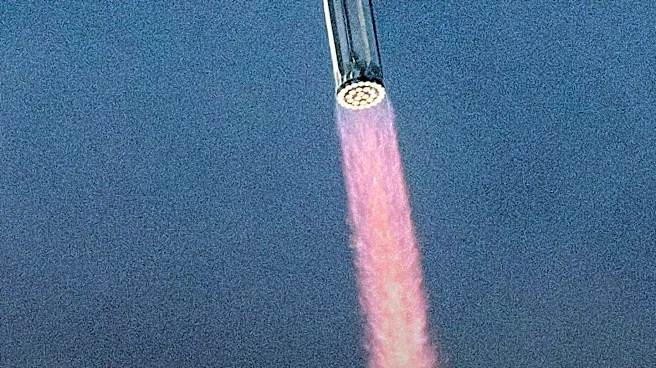
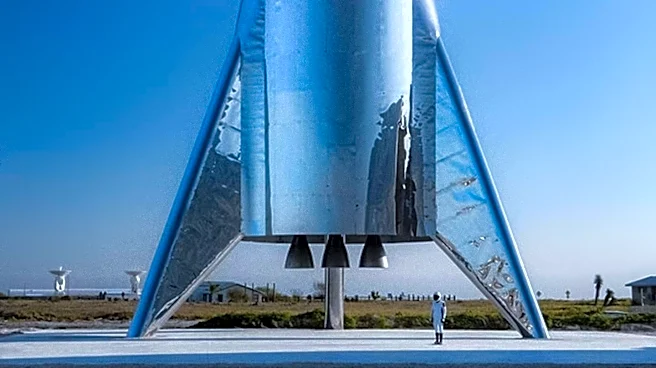
SpaceX's Starship program experienced a significant setback when the launch attempt on July 16 was aborted due to a last-second engine ignition failure. The issue arose when multiple Raptor engines on Booster 20 failed to ignite as planned during the countdown
sequence. This incident marked the first major test since SpaceX's IPO in June, drawing considerable attention. Following the abort, SpaceX's market value reportedly dropped by an estimated $100 billion. In response, SpaceX replaced two Raptor engines on Booster 20, indicating a targeted fix rather than a full booster rollback. The next launch window for Starship Flight 13 is set for July 20, with a backup possible on July 23. The mission aims to deploy upgraded Starlink satellites on a suborbital trajectory, which are intended to burn up in the atmosphere as part of the test mission profile.
Why It's Important?
The aborted launch and subsequent market reaction underscore the high stakes involved in SpaceX's ambitious Starship program. The significant drop in market value highlights investor sensitivity to setbacks in high-profile space ventures. The reliability of the Raptor engines, which are crucial for the success of the Starship program, remains a critical focus. Successful resolution of these technical issues is vital for maintaining investor confidence and advancing SpaceX's long-term goals, including deploying Starlink satellites and future space exploration missions. The rapid response and engine replacement suggest SpaceX's commitment to addressing challenges swiftly, which is crucial for maintaining its competitive edge in the aerospace industry.
What's Next?
SpaceX is preparing for the next launch attempt on July 20, with a backup date on July 23. The quick turnaround from the aborted launch to the next attempt indicates that SpaceX is treating the engine issue as a manageable setback rather than a major obstacle. The upcoming launch will be closely watched by investors and industry stakeholders, as it will test the reliability of the Raptor engines and the overall readiness of the Starship program. Successful execution of the mission could help restore market confidence and demonstrate SpaceX's capability to overcome technical challenges.