





What's Happening?
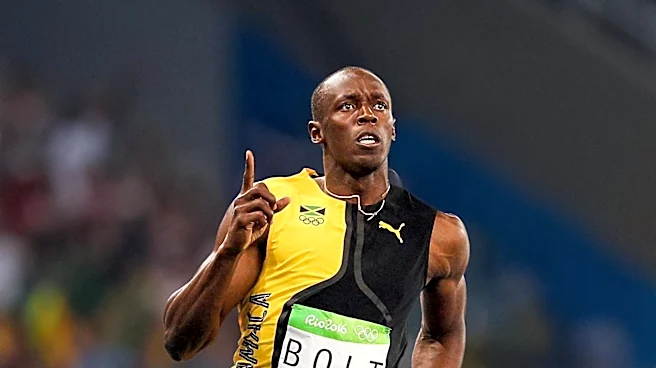
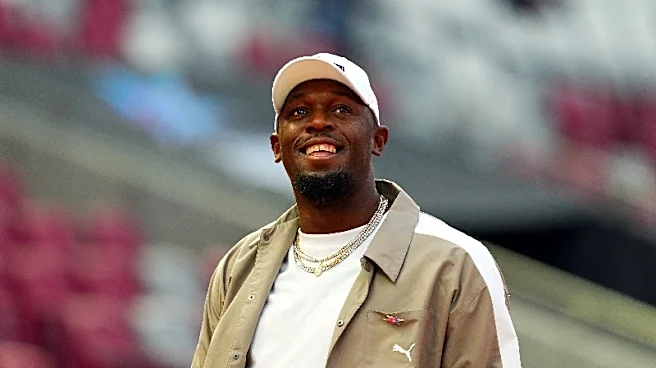
American sprinter Gabby Thomas issued a public apology after failing to recognize Usain Bolt from a childhood photograph during an interview for an Olympics social media video. The video, titled 'Can Gabby Thomas recognise these athletics icons when they
were younger?', featured Thomas attempting to identify prominent athletes from their childhood pictures. Despite being an Olympic medalist herself and having grown up watching Bolt, Thomas was unable to identify him, even after receiving hints. The incident, which also included her not recognizing Noah Lyles from a childhood photo, led to significant online criticism. Thomas took to social media, specifically X, to express her embarrassment and apologize to her community, explaining that while she knows what Bolt and Lyles look like, their baby photos simply 'stumped' her.
Why It's Important?
This incident highlights the intense scrutiny and public expectation placed upon high-profile athletes, particularly in the age of social media. For U.S. athletes like Gabby Thomas, who are role models and public figures, every action and reaction can be amplified and scrutinized by a global audience. The backlash she faced underscores the deep reverence and recognition that legendary figures like Usain Bolt command within the sports community and among fans. It also brings to light the potential pitfalls of social media challenges and interviews, where spontaneous reactions can be misinterpreted or lead to unintended consequences. The incident serves as a reminder of the constant pressure on athletes to maintain a certain image and awareness, even outside of their competitive performances, and how quickly public sentiment can turn based on perceived missteps.
What's Next?
Gabby Thomas has publicly committed to learning from this experience and doing better, indicating a period of reflection on her part. While the immediate online backlash may subside, the incident could prompt athletes and their teams to be more cautious and prepared for media engagements, especially those involving interactive or 'challenge' formats. Sports organizations and media outlets might also re-evaluate the nature of content they produce, considering the potential for misinterpretation and public reaction. For Thomas, moving forward will involve continuing her athletic career and focusing on her performances, while also navigating her public image with increased awareness. The incident may also spark broader conversations within the athletic community about the pressures of fame and the importance of media training.
Beyond the Headlines
Beyond the immediate controversy, this event touches upon deeper themes of cultural memory and the perception of athletic icons. Usain Bolt's image is globally recognized, symbolizing peak athletic achievement and transcending national boundaries. Thomas's momentary lapse in recognition, despite her own background in track and field, underscores how even those within the same professional sphere can have gaps in their knowledge or simply be caught off guard. It also subtly highlights the generational aspect of sports fandom; while Thomas grew up watching Bolt, her recognition might be more tied to his adult, iconic image rather than his childhood. The incident also raises questions about the nature of online 'cancel culture' and the swift, often unforgiving, judgment that can be meted out on social media for seemingly minor gaffes, prompting a discussion on empathy and understanding in digital interactions.