

What's Happening?
Dallas Cowboys owner Jerry Jones has publicly defended the NFL's proposed shift to an 18-game regular season, asserting that such an expansion would benefit all stakeholders, including players. Jones believes this change could occur as early as next year,
though it would necessitate negotiations with the NFL Players Association. His proposal involves reducing the preseason schedule, which he argues would better prepare teams for the initial weeks of the regular season. The NFL previously moved from a 16-game regular season with four preseason games to a 17-game regular season with three preseason games. Jones's current vision would replace one exhibition game with an additional competitive game, maintaining the overall number of games. He emphasized that this adjustment is in 'everyone's best interests,' including the players, and anticipates its eventual implementation.
Why It's Important?
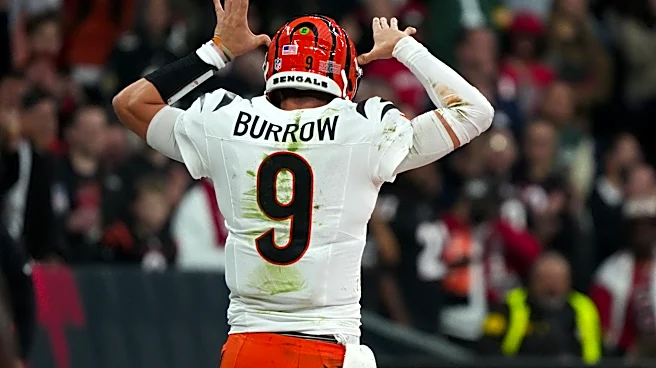
The potential transition to an 18-game NFL regular season carries significant implications for the league's financial growth, player welfare, and competitive structure. From a business perspective, an expanded regular season means more high-stakes games, which typically translate to increased television revenue, ticket sales, and merchandise opportunities for the NFL and its teams. Owners like Robert Kraft of the New England Patriots support this move for 'long-term growth and development of the league' and to 'grow revenue.' However, this proposal faces considerable opposition from the NFL Players Association and prominent players such as Kansas City Chiefs quarterback Patrick Mahomes and Cincinnati Bengals quarterback Joe Burrow, who express concerns about player safety and the physical toll of an extended schedule. The debate highlights a fundamental tension between the league's financial aspirations and the well-being of its athletes, potentially leading to contentious collective bargaining negotiations.
What's Next?
The proposed 18-game NFL regular season is not a certainty and hinges on future negotiations with the NFL Players Association (NFLPA). While Jerry Jones suggests the change could happen 'next year,' the NFLPA has historically resisted such expansions, including the previous move to a 17-game schedule. The appointment of JC Tretter as the new executive director of the NFLPA and the league's continued international expansion could influence these discussions. Players like Patrick Mahomes have voiced concerns about the increased physical demands, suggesting the need for more bye weeks. Joe Burrow has even proposed a second bye week, potentially with a Pro Bowl-style event during that break. The league will need to address these player welfare concerns to gain union approval, making the negotiation process a critical next step in determining the future structure of the NFL season.
Beyond the Headlines
The discussion around an 18-game NFL season extends beyond mere scheduling adjustments, touching upon deeper ethical and economic considerations within professional sports. The push for more regular-season games reflects a broader trend in sports leagues to maximize revenue through increased content, often at the expense of player health and career longevity. While owners emphasize financial growth and fan engagement, players face heightened risks of injury and accelerated physical deterioration. This dynamic raises questions about the balance of power between league ownership and player unions, and the extent to which player welfare is prioritized over commercial interests. The outcome of these negotiations could set a precedent for how future labor disputes are resolved in professional sports, influencing player contracts, healthcare provisions, and the overall sustainability of athletes' careers in high-impact sports.