



What's Happening?
A new report from Owaves, the circadian-health company, indicates that college athletes who correctly understand their circadian rhythm are 21% less likely to experience fatigue-related injuries, illnesses, or significant performance setbacks per season.
The 'Body Clock Report,' based on a survey of 1,000 U.S. college students, including 400 athletes, found that despite widespread use of recovery technology and supplements, more than one-third (37%) of college athletes experienced a setback last season. Dr. Royan Kamyar, Founder and CEO of Owaves, noted that while athletes are highly monitored and supplemented, the fundamental science of sleep, eating, training, and recovery timing is often misunderstood. Athletes with 'circadian literacy' reported a 33% setback rate compared to a 41% rate for those without, highlighting an 8 percentage point difference. These 'circadian-literate' athletes also prioritize sleep duration and timing more highly than their counterparts.
Why It's Important?
This study is significant for the U.S. sports industry and collegiate athletic programs, as it highlights a critical, yet often overlooked, factor in athlete performance and well-being: circadian rhythm alignment. The high rate of fatigue-related setbacks among college athletes suggests that current recovery strategies, heavily reliant on technology and supplements, may be insufficient without a foundational understanding of the body's internal clock. By demonstrating a tangible reduction in setbacks for athletes who understand their circadian rhythms, the report underscores the potential for improved athlete health, reduced injury rates, and enhanced performance. This could lead to substantial benefits for athletic departments, including fewer missed games, better team performance, and healthier student-athletes, potentially impacting scholarship retention and long-term athlete development. It also suggests a shift in focus from 'product-before-protocol' to 'rhythmmaxxing,' where aligning daily schedules with biological rhythms becomes paramount.
What's Next?
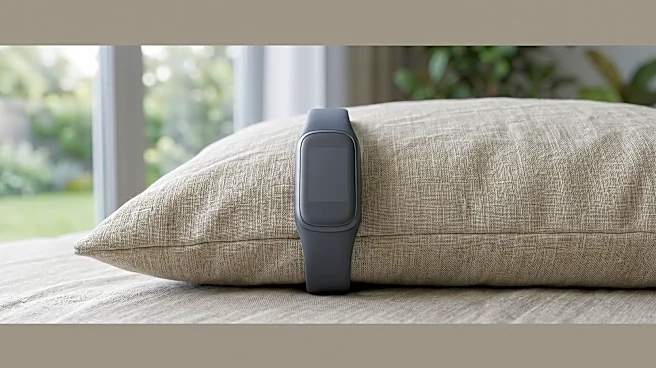
The findings suggest that collegiate athletic programs and sports organizations should consider integrating circadian rhythm education and personalized scheduling into their training protocols. Owaves, with its BodyClock AI™ platform, aims to provide tools for athletes to align their schedules with their circadian rhythms. This could involve developing tailored training, recovery, meal, and sleep plans based on individual chronotypes. The report implies a need for a cultural shift within sports, moving towards a more biology-informed approach to athlete management. Future developments may include more widespread adoption of AI-driven lifestyle guidance and wearable biosensors that help athletes and coaches optimize daily routines. The goal would be to create a competitive edge through fewer setbacks, better performance, and healthier athletes by harmonizing their activities with their natural 24-hour rhythms.
Beyond the Headlines
Beyond immediate athletic performance, the study touches on broader implications for young adults and their health habits. The 'product-before-protocol' pattern observed in athletes, where technology and supplements are prioritized over foundational biological principles, may reflect a wider societal trend. This raises questions about the effectiveness of modern health and wellness trends that often emphasize external aids over intrinsic biological understanding. The concept of 'rhythmmaxxing' could extend beyond sports, influencing how individuals in demanding professions or those seeking general wellness approach their daily routines. It highlights the ethical consideration of ensuring that advancements in health technology are complemented by a deep understanding of fundamental human biology, rather than replacing it. This could lead to a more holistic approach to health, emphasizing the importance of natural rhythms in an increasingly technologically driven world.