





What's Happening?
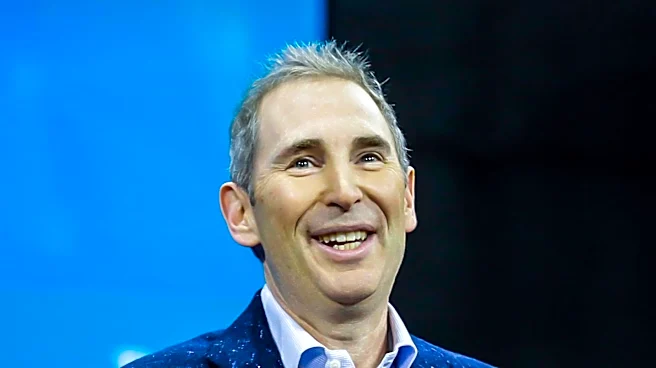
Amazon CEO Andy Jassy has expressed an optimistic outlook on the company's pharmacy business, noting its continued growth and increasing resonance with Amazon shoppers. Jassy highlighted that consumers prefer the speed and convenience of online ordering
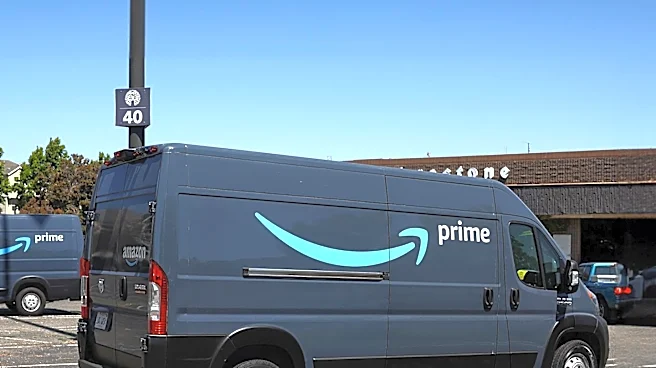
for pharmaceutical needs over traditional brick-and-mortar pharmacies. He described the in-store pharmacy experience as often challenging, citing issues like locked cabinets and shoplifting. Amazon is actively expanding its pharmacy services, including making its prescription drug service, RxPass, available to Medicare recipients who are also Amazon Prime members. The RxPass program, launched in early 2023, costs $5 a month and offers significant discounts on a wide range of common prescription medications. Furthermore, Amazon is working to extend its same-day delivery of prescription medications to more U.S. cities, with plans to add a dozen more by the end of the year, building on existing services in major metropolitan areas like Los Angeles and New York City.
Why It's Important?
This development signifies a major shift in the U.S. pharmaceutical landscape, with Amazon leveraging its e-commerce infrastructure to disrupt traditional pharmacy models. The emphasis on convenience and speed directly addresses common consumer frustrations with physical pharmacies, potentially leading to a significant migration of customers to online platforms. For consumers, this could mean easier access to medications, reduced costs through programs like RxPass, and the convenience of home delivery, which is particularly beneficial for elderly or less mobile individuals. For traditional pharmacies, Amazon's aggressive expansion poses a substantial competitive threat, potentially forcing them to innovate their services or risk losing market share. The integration of RxPass with Medicare recipients also indicates Amazon's strategic move into a large and critical demographic, further solidifying its position in the healthcare sector. This trend could accelerate the digital transformation of healthcare services, making online prescription fulfillment a new standard.
What's Next?
Amazon is expected to continue expanding its same-day prescription delivery services to more U.S. cities, aiming to add a dozen more by year-end. This geographical expansion will make Amazon's pharmacy offerings accessible to a larger segment of the population. The company will likely further integrate its pharmacy services with its broader Amazon Prime ecosystem, potentially introducing new benefits or partnerships to attract and retain customers. Competitors in the pharmacy sector, both online and brick-and-mortar, will need to respond to Amazon's growing presence, possibly by enhancing their own digital offerings, improving in-store experiences, or forming strategic alliances. Regulatory bodies may also increase scrutiny on the online pharmacy market to ensure patient safety, data privacy, and fair competition as Amazon's influence grows. The long-term impact could see a significant restructuring of how prescription medications are dispensed and accessed across the U.S.
Beyond the Headlines
Amazon's foray into the pharmacy sector extends beyond mere convenience; it represents a broader strategy to embed itself deeper into the daily lives of U.S. consumers, from retail to healthcare. The company's ability to offer discounted medications through RxPass, especially to Medicare recipients, highlights a potential shift in healthcare economics, where large tech companies could exert downward pressure on drug prices. This move also raises questions about data privacy and the ethical implications of a single entity accumulating vast amounts of consumer health data. The 'day one' culture, as mentioned in the broader context of Jassy's leadership, suggests a continuous drive for innovation and disruption, which will likely keep the healthcare industry in a state of flux. The success of Amazon's pharmacy business could set a precedent for other tech giants to enter highly regulated sectors, further blurring the lines between technology, retail, and essential services.