







What's Happening?
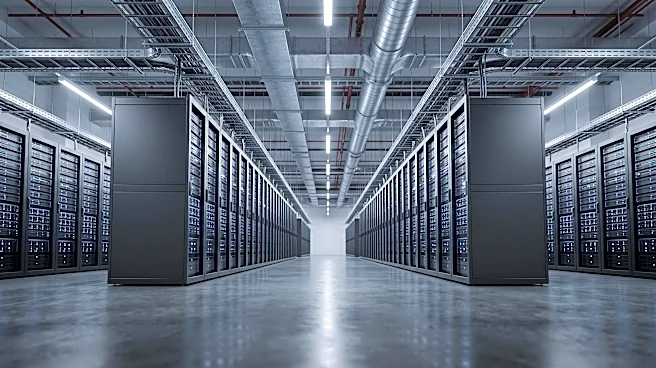
The Louisiana Public Service Commission (LPSC) is scheduled to hold two hearings to evaluate a proposal by Entergy Louisiana. This proposal is crucial for Meta's planned expansion of its data center campus in Richland Parish. Entergy Louisiana's plan includes
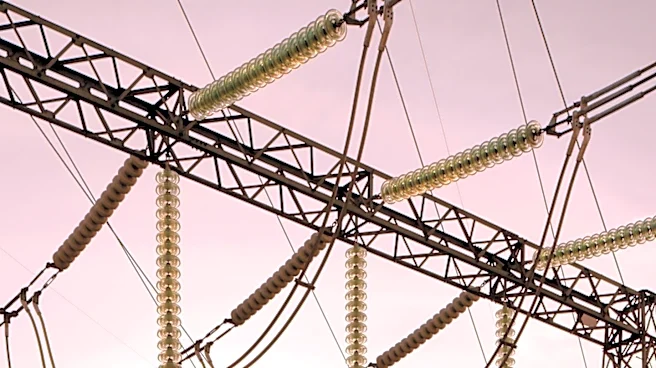
the development of seven new natural gas generating units, battery storage systems, and hundreds of miles of new transmission lines. The LPSC will gather information and hear arguments regarding the project's feasibility and impact, focusing on the necessity of this substantial infrastructure investment and the allocation of its costs among various stakeholders. Meta's expansion is contingent on the approval of this new power infrastructure, which is designed to meet the significant energy demands of its growing data center operations. The commission's decision will determine the future of Meta's campus expansion in the region.
Why It's Important?
This review by the Louisiana Public Service Commission is important because it highlights the growing energy demands of large-scale data centers and the associated infrastructure challenges. The proposed development of new natural gas units and extensive transmission lines represents a significant investment in Louisiana's energy grid. The outcome will impact not only Meta's operational capacity but also the energy landscape for other consumers in the state, as the allocation of costs will be a key debate point. The decision will set a precedent for how states manage the power needs of rapidly expanding technology companies, balancing economic development with environmental concerns and ratepayer interests. The scale of Meta's energy consumption, which could rival that of a major city, underscores the broader implications for grid stability and energy policy in the U.S.
What's Next?
The Louisiana Public Service Commission will proceed with two scheduled hearings to thoroughly evaluate Entergy Louisiana's proposal. These hearings will involve input from Entergy, Meta, and potentially other interested parties, including environmental groups and consumer advocates. The commission's decision, following these hearings, will determine whether the proposed power infrastructure project moves forward. If approved, Meta can proceed with its data center campus expansion in Richland Parish. If denied or significantly altered, Meta may need to revise its expansion plans or seek alternative energy solutions. The outcome will also influence future infrastructure development for other large industrial users in Louisiana and potentially serve as a model for other states grappling with similar energy demands from the tech sector.
Beyond the Headlines
The situation in Louisiana reflects a national trend where the rapid growth of data centers, particularly those supporting artificial intelligence, is placing unprecedented strain on existing power grids. The debate over who bears the cost of necessary infrastructure upgrades—whether it's the tech companies directly or spread across all ratepayers—is a critical and evolving policy challenge. This case also touches upon the broader environmental implications of relying on natural gas for increased energy production, even as states aim for cleaner energy portfolios. The sheer scale of energy consumption by these facilities, with some data centers requiring as much power as entire cities, raises fundamental questions about sustainable development, energy policy, and the long-term economic and environmental trade-offs associated with the digital economy's expansion.