






What's Happening?
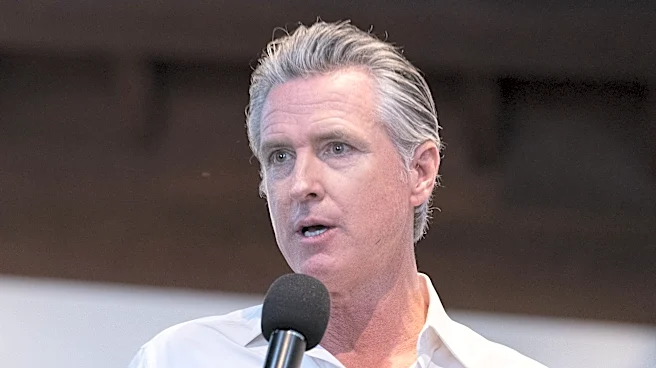
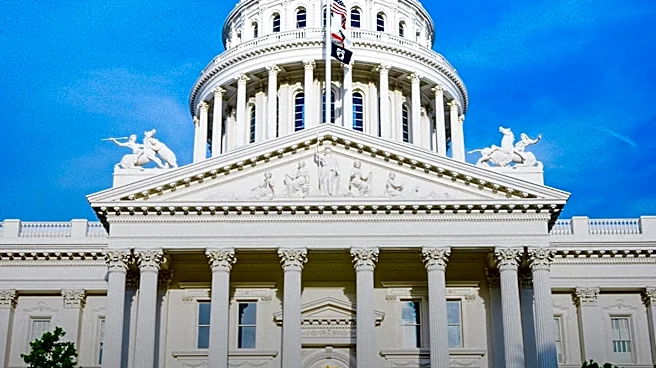
California Governor Gavin Newsom signed SB 1050 into law on September 16, 2026, making it the second state, after New York, to mandate disclosures for AI-generated synthetic performers in advertising. Effective January 1, 2027, the law prohibits advertisers
from prominently featuring AI-generated synthetic performers without a clear and conspicuous disclosure. This disclosure must use wording such as 'this performance features a synthetic performer' or 'no human performer is depicted.' A synthetic performer is defined as a digital figure, voice, or representation created using generative AI that gives the realistic impression of a human performer not recognizable as any identifiable real person. The law applies when a synthetic performer is used prominently, meaning it appears in the foreground demonstrating a product, provides narration, or reacts to a commercial message. Advertising media, including broadcast stations and online platforms, are also obligated to remove non-compliant advertisements upon court order.
Why It's Important?
This legislation introduces new compliance complexities for national advertisers operating in multiple states, as California's law differs from New York's in several key aspects. Unlike New York, California's law specifically covers AI-generated voices and provides safe-harbor disclosure language. Crucially, California's enforcement mechanism allows for private rights of action and does not impose a fixed penalty ceiling, potentially leading to significant legal and financial risks for advertisers. The law's broad definition of 'prominently' used synthetic performers means many advertisements will require careful review. This development signals a growing trend in state-level regulation of AI in commercial contexts, which could lead to a patchwork of varying requirements across the U.S., increasing the burden on businesses to ensure compliance and potentially influencing the creative strategies for advertising campaigns.
What's Next?
Advertisers must promptly audit current and future campaigns to identify any prominent use of synthetic performers that reach California consumers. They will need to implement appropriate disclosures using the state's specified language and consult legal counsel to determine proper placement. Updating vendor, agency, and platform agreements to address disclosure compliance for AI-generated content will also be critical. Furthermore, advertising media companies should establish internal procedures to handle court orders for the removal of non-compliant ads. As AI-generated advertising becomes more prevalent, other states may follow suit with similar or differing regulations, necessitating continuous monitoring and adaptation by the advertising industry to mitigate enforcement risks and potential litigation.
Beyond the Headlines
The enactment of SB 1050 highlights the evolving legal and ethical landscape surrounding artificial intelligence and its application in creative industries. Beyond mere compliance, this law touches upon deeper societal implications regarding authenticity, consumer trust, and the potential for AI to blur the lines between reality and simulation. The requirement for disclosure could foster greater transparency in advertising, empowering consumers to distinguish between human and AI-generated content. However, it also raises questions about the future of creative work, the economic impact on human performers, and the potential for 'disclosure fatigue' if such regulations become overly pervasive. This legislation is a step towards defining the boundaries of AI use in public-facing content, reflecting a broader societal debate on how to integrate advanced technology responsibly while protecting consumers and maintaining ethical standards.