




What's Happening?
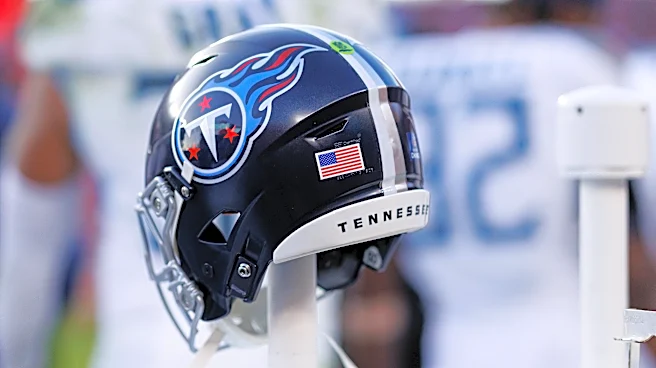
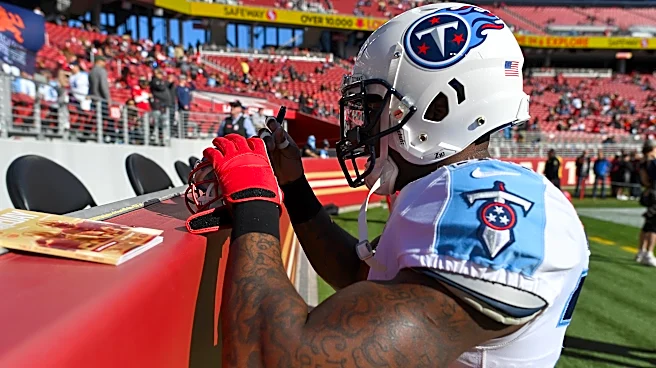
Amy Adams Strunk, the controlling owner of the Tennessee Titans, is facing criticism for her silence following the team's poor performance, which included losing the first five games of the season. According to an A to Z Sports fan survey, 63% of fans
expressed a strong desire to hear directly from Strunk regarding the team's struggles. Instead, Burke Nihill, the team's president and CEO, issued an apology via email and later stated in a TV interview that Strunk was 'sorry.' This indirect communication has been perceived by some as a lack of accountability from the person with ultimate authority. The incident highlights a broader discussion about leadership integrity and the effectiveness of apologies delivered by proxy, especially in high-stakes public-facing organizations like professional sports teams.
Why It's Important?
This situation is important because it underscores the critical role of direct leadership communication, particularly during times of crisis or underperformance, in maintaining public trust and team morale. For professional sports franchises, the owner's direct engagement can significantly influence fan perception, sponsor relations, and the overall brand image. When a top leader like Amy Adams Strunk delegates an apology, it can be interpreted as a lack of genuine remorse or commitment to addressing the underlying issues. This can erode fan loyalty and create a disconnect between the leadership and the fanbase, potentially impacting ticket sales, merchandise revenue, and long-term support for the team. The incident also serves as a case study in corporate communications, illustrating the pitfalls of indirect apologies and the importance of authenticity from those in ultimate authority.
Beyond the Headlines
The incident with the Tennessee Titans and Amy Adams Strunk extends beyond typical sports news, touching upon fundamental principles of leadership and communication in the digital age. In an era where authenticity is highly valued, particularly on social media platforms, a delegated or 'AI-sounding' apology can be more damaging than silence. The public, and especially dedicated fan bases, often seek a personal connection and a clear demonstration of responsibility from leaders. This event highlights the ethical dimension of leadership, where the willingness to personally acknowledge failure and commit to rectification is paramount. It also suggests a cultural shift where the perceived sincerity of an apology, rather than just its content, dictates its reception and effectiveness, influencing how organizations manage public relations and stakeholder expectations.