







What's Happening?
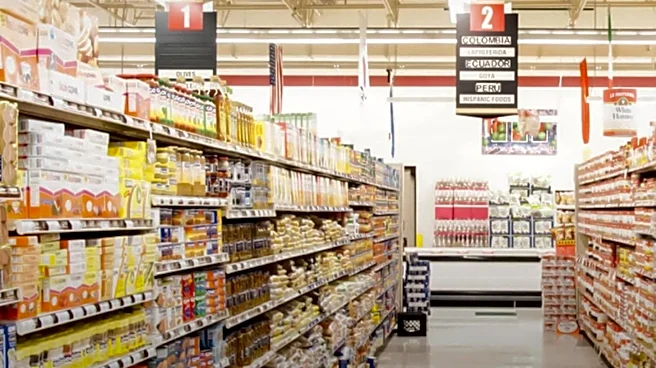
The packaged food sector is experiencing a significant market downturn, with many stocks underperforming due to investor concerns surrounding the rise of GLP-1 weight-loss drugs like Eli Lilly’s Mounjaro and Zepbound, and Novo Nordisk’s Ozempic and Wegovy.
CNBC’s Jim Cramer highlighted this sentiment, noting that food stocks are “so hated” compared to pharmaceutical stocks. While pharmaceutical companies like Eli Lilly have seen substantial gains, several packaged food companies, including Campbell’s, General Mills, and Conagra Brands, have experienced notable stock declines over the past year. This market perception of declining demand for processed foods, driven by the increasing use of weight-loss medications, is creating a long-duration demand risk, even though a direct sales collapse has not yet been demonstrably observed. Some companies, like Kraft Heinz and Hershey, have shown more resilience, with year-to-date gains, suggesting a mixed picture within the sector.
Why It's Important?
This trend is important for the U.S. business landscape as it indicates a significant shift in investor sentiment and potential future consumer behavior. The widespread adoption of GLP-1 drugs could fundamentally alter demand for processed and packaged foods, impacting the profitability and market valuations of major food corporations. This creates both risks for existing food industry giants and potential opportunities for companies that can adapt to changing dietary preferences or innovate in the health and wellness space. The divergence between pharmaceutical and food stock performance highlights a re-evaluation of market sectors based on evolving health trends. Furthermore, the situation underscores how medical advancements can have far-reaching economic consequences, influencing investment strategies and potentially leading to a reallocation of capital across different industries.
What's Next?
Investors and analysts will be closely monitoring volume trends in packaged food companies to determine if the GLP-1 effect translates from narrative to measurable sales impact. The performance of companies like Ingredion, especially in light of its pending merger with Tate & Lyle, will be a key indicator. Traders will also watch whether the year-to-date recovery in some of the weaker food stocks extends or stalls, and if Novo Nordisk increases its participation on the drug side, further intensifying the market's focus on weight-loss solutions. The long-term unknown of GLP-1 drug impact means that while some contrarian value may emerge, investors are advised to maintain modest position sizes in food stocks where the bull case relies primarily on sentiment reversal rather than concrete sales data.
Beyond the Headlines
The market's reaction to GLP-1 drugs extends beyond immediate stock performance, hinting at deeper societal and cultural shifts regarding food consumption and health. The emphasis on weight loss and healthier eating, potentially amplified by these medications, could accelerate a broader move away from ultra-processed foods. This could lead to significant innovation in the food industry, with companies investing in healthier product lines, plant-based alternatives, or personalized nutrition solutions. It also raises questions about the long-term public health implications of widespread GLP-1 drug use and how it might reshape dietary guidelines and consumer expectations. The ethical considerations of pharmaceutical interventions influencing entire economic sectors and consumer choices will also likely become a more prominent discussion point.