






What's Happening?
Wacken Open Air 2026, one of the world's largest metal festivals, recently concluded with performances from major acts like Powerwolf and Sabaton. The festival, held in Germany, celebrated its 35th anniversary with a lineup that included heavy metal legends
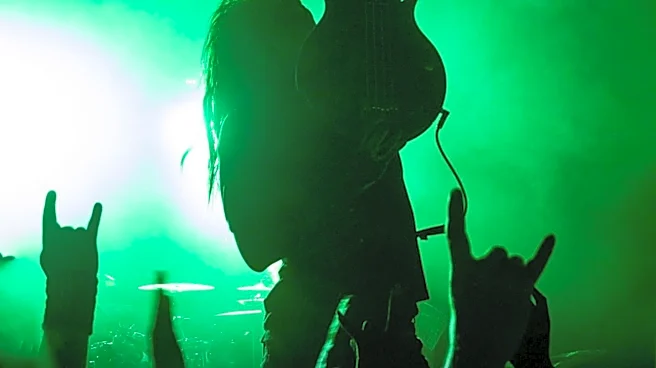
such as Judas Priest and Def Leppard. Powerwolf delivered a theatrical performance featuring a burning keyboardist and a giant werewolf backdrop, while Sabaton closed the festival with a pyro-laden set. The event attracted around 85,000 attendees, showcasing a wide array of metal genres across multiple stages. Wacken has grown significantly since its inception, now considered a 'Mecca of metal' for fans worldwide.
Why It's Important?
Wacken Open Air's success underscores the enduring popularity and cultural significance of heavy metal music. The festival's ability to draw massive crowds highlights the genre's global appeal and the community it fosters among fans. For the music industry, events like Wacken are crucial for promoting artists and generating significant economic activity through tourism and merchandise sales. The festival's organization, with its focus on attendee comfort and experience, sets a standard for large-scale events, emphasizing the importance of logistics and infrastructure in ensuring a positive experience for attendees.
What's Next?
As Wacken Open Air continues to grow, it may influence the organization and scale of other music festivals worldwide. The festival's success could encourage more diverse lineups and innovative stage designs, pushing the boundaries of live music experiences. Additionally, the festival's emphasis on sustainability and attendee comfort may inspire similar practices in other large events. For the metal community, Wacken remains a pivotal gathering, and its future iterations will likely continue to shape the genre's cultural landscape.