





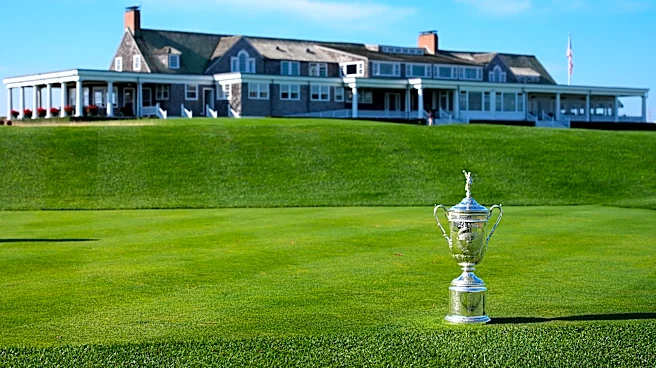


What's Happening?
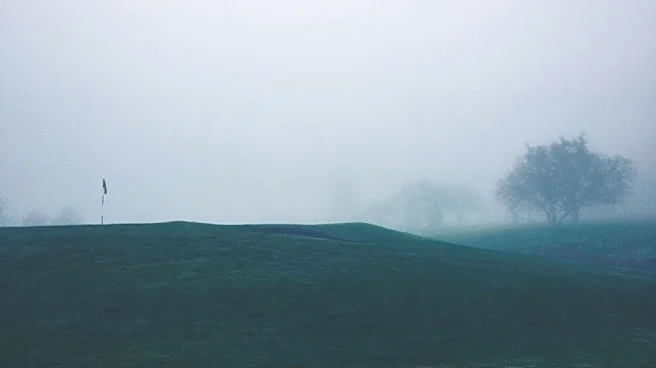
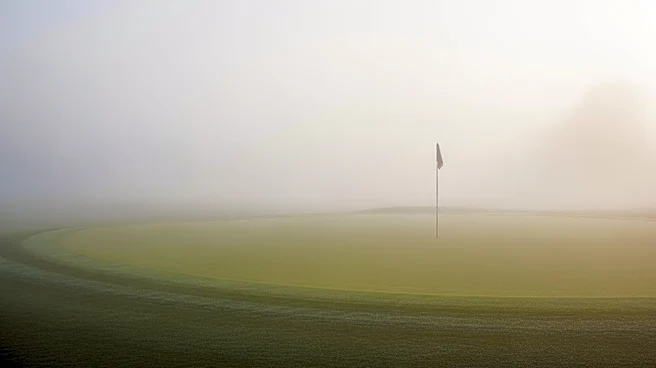
The first round of the US Open, held at Shinnecock Hills on Long Island, faced an unexpected delay due to foggy weather conditions. Players were set to begin the tournament on Thursday, but the dense fog created visibility issues, prompting organizers
to postpone the start. This delay affected the schedule as players and fans anticipated the commencement of one of golf's major championships. The US Open is known for its challenging courses and competitive field, and weather conditions often play a significant role in the tournament's dynamics. The fog at Shinnecock Hills is a reminder of the unpredictable nature of outdoor sports events, where weather can significantly impact proceedings.
Why It's Important?
The delay of the US Open's first round due to fog highlights the challenges that weather conditions can pose to major sporting events. For players, such delays can disrupt preparation and mental focus, potentially affecting performance. For organizers, it underscores the importance of contingency planning to accommodate weather-related disruptions. The US Open is a significant event in the golf calendar, attracting global attention and substantial economic activity, including tourism and media coverage. Delays can impact broadcasting schedules and viewer engagement, affecting advertising revenues and sponsorships. Additionally, the delay may influence the tournament's outcome, as players must adapt to changing conditions and revised schedules.
What's Next?
As the fog clears, the US Open organizers will need to adjust the tournament schedule to accommodate the delay. This may involve rescheduling tee times and potentially extending play into the following days to ensure all rounds are completed. Players will need to remain flexible and prepared for changes in their playing schedules. Fans and broadcasters will also need to adapt to the revised timings. The tournament's progression will be closely monitored to ensure that it remains on track, with organizers likely to keep a close eye on weather forecasts to anticipate any further disruptions.