
What's Happening?
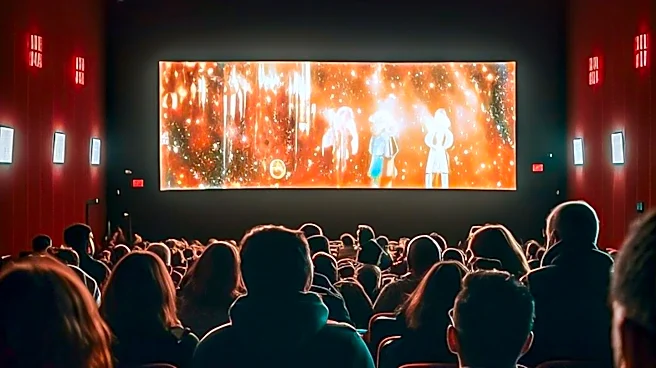
The year 2026 has marked a significant comeback for movie theaters, with the global box office on track to match pre-COVID-19 pandemic levels from 2019. This resurgence defies earlier predictions of cinema's
demise due to streaming services and other digital entertainment. Several blockbusters achieved history-making superlatives, including 'Spider-Man: Brand New Day' which recorded the biggest domestic opening weekend and highest total domestic box office of all time. 'The Odyssey' became the highest-grossing R-rated, Christopher Nolan, and IMAX film ever, while 'Toy Story 5' surpassed all its predecessors. Additionally, 'Michael' emerged as the top-grossing biopic in history. Smaller films also performed strongly, with 'Project Hail Mary' becoming MGM's biggest domestic hit since 2012, and 'Obsession' becoming Focus Features' most profitable film-festival acquisition. The success spans various genres, including horror, family-friendly films, indie period pieces, and literary adaptations, indicating a broad audience appeal for diverse cinematic offerings.
Why It's Important?
This box office resurgence is crucial for the U.S. entertainment industry, signaling that the theatrical experience remains a vital component of film distribution and audience engagement. The strong performance of both blockbusters and smaller films demonstrates that audiences are willing to return to cinemas for a variety of content, challenging the narrative that streaming services had permanently altered movie-going habits. This trend provides a much-needed boost to theater chains, studios, and associated businesses that faced significant financial strain during the pandemic and subsequent industry strikes. The record-breaking success of films like 'Spider-Man: Brand New Day' and 'The Odyssey' highlights the continued appeal of large-scale cinematic events and the unique communal experience of watching movies in theaters. It also suggests a potential shift in investment strategies for studios, possibly encouraging more theatrical releases and fewer direct-to-streaming productions, thereby impacting employment across the film production, distribution, and exhibition sectors.
What's Next?
The continued strong performance of the box office in 2026 is likely to influence future film production and release strategies. Studios may prioritize theatrical releases for a wider range of films, rather than solely relying on blockbusters, given the success of diverse genres this year. This could lead to increased investment in film development and marketing for theatrical runs. The industry will likely monitor upcoming releases, such as 'Avengers: Doomsday' and 'Dune: Part Three,' to gauge sustained audience interest. The success also provides leverage for theater owners in negotiations with studios regarding revenue sharing and release windows. Furthermore, the positive trend could encourage innovation in the theatrical experience, with cinemas potentially investing in enhanced technologies and amenities to attract and retain audiences. The focus will be on maintaining this momentum and adapting to evolving consumer preferences to ensure the long-term viability of moviegoing.
Beyond the Headlines
The robust return to movie theaters in 2026 suggests a deeper cultural significance beyond mere economic recovery. It indicates a societal craving for shared public experiences and a collective escape, which the cinema uniquely provides. This trend challenges the notion that individual, at-home consumption of media would entirely replace communal entertainment. The success of diverse films, from superhero epics to indie dramas, reflects a broad appetite for storytelling and a willingness to engage with different narratives on the big screen. This could foster a more vibrant and varied film landscape, encouraging filmmakers to pursue a wider array of projects with confidence in theatrical distribution. The renewed interest in moviegoing also has implications for urban planning and local economies, as cinemas often serve as anchors for entertainment districts, driving foot traffic to restaurants and other businesses. It underscores the enduring power of cinema as a cultural institution and a communal gathering place.