







What's Happening?
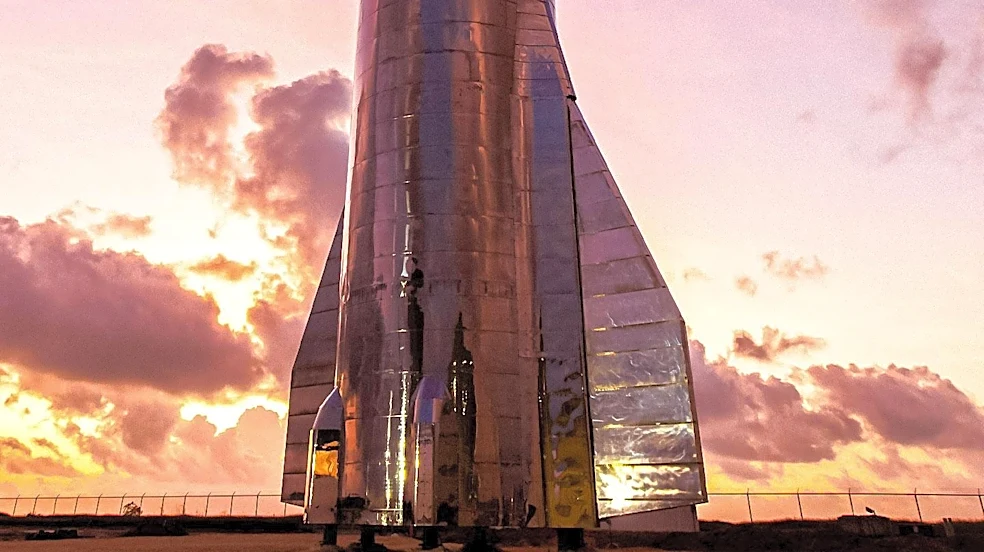
SpaceX has initiated discussions with the Federal Aviation Administration (FAA) to significantly increase the launch cadence of its Starship megarocket from its Boca Chica Launch Site at Starbase, Texas. A "Notice of Intent" filed with the FAA outlines
a two-phase plan. Currently, SpaceX is permitted to conduct up to 25 annual launches of its Super Heavy booster and Starship rocket. Phase 1 of the new plan proposes increasing this to 100 launches per year, followed by an ambitious Phase 2 aiming for 456 launches annually. This would also entail 200 annual landings in Phase 1 and 912 landings in Phase 2, as both stages of the reusable rocket land separately. The document does not specify a start date for Phase 1 but indicates Phase 2 would commence "within several years" of Phase 1's initiation. This move signals SpaceX's intent to dramatically scale up its operations, far exceeding its current authorization and historical U.S. launch rates.
Why It's Important?
This proposed increase in Starship launches holds immense importance for the U.S. space industry and beyond. If approved, 456 annual Starship launches, each capable of carrying up to 150 tons of payload, could place approximately 68,400 tons of payload into orbit each year. This figure is more than double the total payload ever launched into space throughout human history. Such a capability would fundamentally reshape access to space, enabling the deployment of massive satellite constellations, facilitating ambitious lunar and Martian missions, and potentially driving down the cost of space travel. The sheer volume of launches could solidify U.S. dominance in the commercial space sector, creating numerous jobs in manufacturing, engineering, and support services. However, it also raises significant environmental and regulatory challenges, requiring extensive studies on the impact on coastlines, wildlife, and human populations, which could lead to prolonged review processes and potential opposition from environmental groups.
What's Next?
The "Notice of Intent" marks the beginning of a comprehensive regulatory process between SpaceX and the FAA. The next steps will involve extensive environmental impact studies, assessing the effects of such a high launch cadence on various factors including farmlands, hazardous materials, solid waste, pollution prevention, historical resources, land use, natural resources, energy supply, noise, visual impact, and socioeconomic aspects. These studies are expected to be complex and time-consuming, potentially employing numerous environmental and regulatory experts for years. There is no guarantee that the FAA will approve SpaceX's ambitious plans, and the timeline for any approval remains uncertain. Additionally, SpaceX has indicated plans for a second Starbase in Louisiana with 10 launch pads, suggesting that if the Texas expansion is successful, similar large-scale operations could be pursued elsewhere, further amplifying the potential impact and regulatory hurdles.
Beyond the Headlines
The implications of SpaceX's proposed launch expansion extend beyond immediate economic and regulatory considerations. The ability to launch such an unprecedented volume of payload into orbit could accelerate the development of a space-based economy, including in-orbit manufacturing, space tourism, and resource extraction. It also raises ethical questions regarding space debris and the long-term sustainability of such frequent launches. The transformation of areas like Brownsville, Texas, into 'space cities' highlights the profound socioeconomic shifts that can accompany large-scale space endeavors, including job creation, infrastructure development, and changes in local demographics and culture. The potential for SpaceX to launch thousands of rockets annually from multiple sites could fundamentally alter humanity's relationship with space, making it a more accessible and commercially viable domain, but also necessitating robust international cooperation and regulatory frameworks to manage the increased activity and its potential consequences.