
What's Happening?
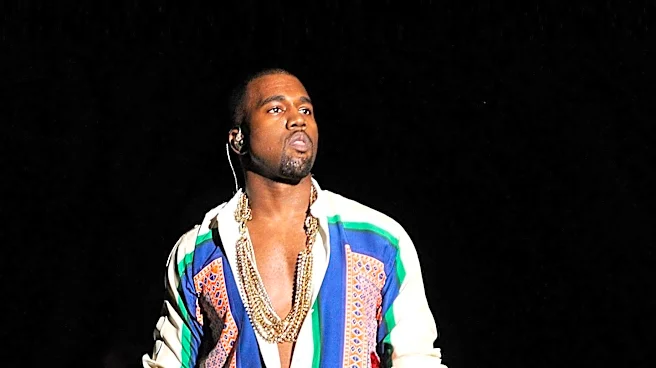
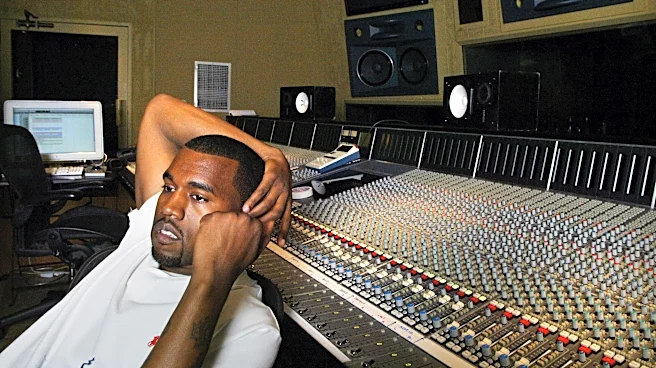
Kanye West's album 'Bully' has been nominated for Best Rap Album at the 2027 Grammys. This nomination comes despite persistent allegations that artificial intelligence played a significant role in its
composition. West will compete against artists such as Cardi B and Don Toliver in this category. Speculation about AI use intensified following a 2025 interview where West expressed enthusiasm for AI's creative potential, particularly in generating soundalike vocals. Although West later tweeted that the album would not feature AI, a lawsuit filed in August claimed the use of AI vocal effects in both 'Vultures 2' and 'Bully'. The Recording Academy's rules permit AI use if the human authorship element is 'meaningful' and 'relevant to the category'. West has a notable history in the Best Rap Album category, having won it for his first three albums and 'My Beautiful Dark Twisted Fantasy', making this his ninth nomination in the category.
Why It's Important?
This Grammy nomination for 'Bully' is significant as it highlights the evolving intersection of artificial intelligence and artistic creation within the music industry. The allegations of AI use in West's album bring to the forefront the Recording Academy's stance on AI-generated content and its criteria for 'meaningful' human authorship. This situation could set a precedent for how future works incorporating AI are judged and recognized in major awards. It also sparks a broader discussion about the definition of artistry, creativity, and authenticity in an era where technology can significantly contribute to the creative process. For artists, it raises questions about intellectual property, originality, and the competitive landscape, potentially influencing how musicians approach production and composition in the future.
What's Next?
The Grammy Awards ceremony in 2027 will likely bring further attention to the debate surrounding AI in music, especially if 'Bully' wins the Best Rap Album award. The Recording Academy may face increased pressure to clarify or refine its guidelines regarding AI use in submitted works, potentially leading to more detailed policies on what constitutes 'meaningful' human authorship. The ongoing lawsuit concerning AI vocal effects in West's albums could also have significant implications for the music industry, potentially shaping legal precedents for AI-assisted creations. This situation could encourage other artists and producers to explore AI tools, while also prompting a critical examination of the ethical and artistic implications of such technologies.
Beyond the Headlines
The controversy surrounding AI use in Kanye West's nominated album extends beyond the music industry, touching upon fundamental questions about human creativity and the future of art in a technologically advanced world. It prompts a philosophical debate on whether art created with significant AI input can possess the same emotional depth, originality, and human connection as purely human-made art. This development could lead to a re-evaluation of artistic value and authenticity, potentially influencing how audiences perceive and consume music. Furthermore, it highlights the broader societal challenge of integrating advanced technologies into creative fields while preserving the essence of human expression. The outcome of this debate could shape not only the music industry but also other creative sectors grappling with the rise of AI.