
What's Happening?
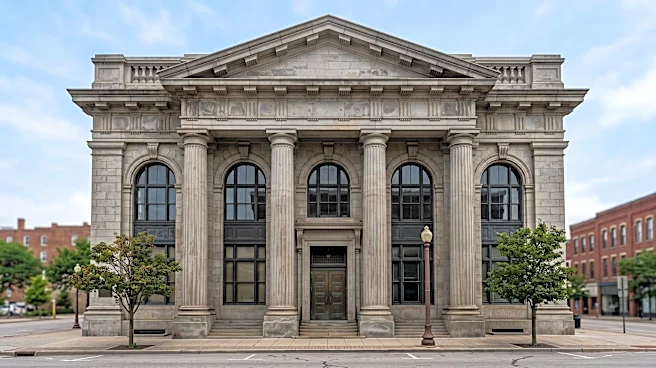
United Fidelity Bank, based in Evansville, Indiana, has been shut down by federal regulators, marking the largest U.S. bank failure in over two years. The Office of the Comptroller of the Currency (OCC)
closed the lender after determining it was in an "unsafe or unsound condition to transact business" and unlikely to meet its obligations or depositors' demands. At the end of September, United Fidelity held $5.9 billion in assets and $5.4 billion in deposits. The Federal Deposit Insurance Corporation (FDIC) estimates this collapse will cost the federal deposit insurance fund $1.83 billion. First Citizens Bank, headquartered in Raleigh, North Carolina, has agreed to acquire the failed lender's assets and assume most of its deposits, excluding certain brokered deposits. This acquisition includes $3.1 billion in loans, with First Citizens securing a $2.6 billion asset discount. The underlying causes of United Fidelity's financial difficulties have not been publicly detailed by either the bank or the OCC.
Why It's Important?
This event is significant as it represents the largest U.S. bank failure since Republic Bank's collapse in April 2024 and follows First Citizens Bank's acquisition of Silicon Valley Bank assets in March 2023, which had previously sparked fears of a wider banking crisis. The FDIC's estimated cost of $1.83 billion to the deposit insurance fund highlights the financial strain such failures place on the system designed to protect depositors. For the broader U.S. financial sector, this incident underscores the ongoing need for robust regulatory oversight and the potential for instability, even among mid-sized institutions. The swift intervention by the FDIC and the acquisition by First Citizens Bank aim to maintain public confidence in the banking system and ensure continuity for United Fidelity's customers. The exclusion of certain brokered deposits from the transfer also brings attention to the varying levels of protection for different types of deposits.
What's Next?
United Fidelity Bank's 22 branches across Indiana, Illinois, Florida, Colorado, and the U.S. Virgin Islands are scheduled to reopen under First Citizens Bank, operating during normal business hours. Customers of United Fidelity will become depositors of First Citizens, and federal regulators have reassured them that their funds and deposit insurance coverage will be retained. Customers can continue to access their funds through existing methods like checks, ATMs, and debit cards. The FDIC generally insures deposits up to $250,000 per depositor, per insured bank, for each account ownership category. However, customers with brokered deposits are advised to seek confirmation regarding the status of their funds due to their exclusion from the transfer. First Citizens CEO Frank Holding Jr. expressed enthusiasm for welcoming new customers and positioning the company for continued success, indicating a smooth transition is anticipated for the majority of customers.
Beyond the Headlines
The closure of United Fidelity Bank, while managed to protect depositors, raises deeper questions about the health of regional banks and the effectiveness of current regulatory frameworks in identifying and mitigating risks before they escalate. The undisclosed reasons for the bank's "unsafe or unsound condition" could point to broader systemic issues, such as exposure to specific market sectors, interest rate sensitivities, or internal governance weaknesses. The repeated involvement of First Citizens Bank in acquiring assets from failed institutions, following its role in the Silicon Valley Bank collapse, positions it as a key player in stabilizing the banking sector during periods of distress. This trend could lead to further consolidation within the banking industry, potentially reducing competition and altering the landscape for smaller community banks. The incident also serves as a reminder for consumers to understand the nuances of deposit insurance and how different account types, particularly brokered deposits, are treated during bank failures.